
Pitching Your Music to Online Reviewers Successfully
As an independent artist, getting your music heard can feel like shouting into a void. In today's hyper-digital music landscape, securing genuine online reviews and blog features is a powerful way to cut through the noise, build credibility, and connect with new fans. But how do you stand out in a reviewer's crowded inbox? At TunePact, we understand the challenges and are here to equip you with a winning music pitching strategy designed for success.
The TunePact Advantage: Mastering Your Music Pitching Strategy
In the vast ocean of new music released daily, a well-executed pitch isn't just an option; it's a necessity. It’s your chance to make a first impression, articulate your artistic vision, and convince a gatekeeper that your sound deserves attention. This guide goes beyond generic advice, offering a structured, actionable framework rooted in TunePact's insights into effective promotion. We believe that with the right approach, any independent artist can learn to successfully pitch music to blogs and earn valuable coverage.
Why a Strategic Pitch is Non-Negotiable for Independent Artists
For artists managing their own careers, every promotional effort counts. A strategic music pitching strategy ensures that your time and energy are invested wisely, targeting the right people with the right message. This isn't just about getting a review; it's about building relationships, expanding your network, and creating a narrative around your music that resonates with listeners. Without a clear strategy, your efforts risk being scattered and ineffective.
Securing features on reputable music blogs and review sites lends significant credibility to your artistry. These endorsements act as social proof, making it easier to attract new listeners, get added to playlists, and even gain attention from industry professionals. Understanding the importance of this step is the first part of mastering your overall strategic ways to promote your independent music.
Common Pitfalls and How to Avoid Them
Many independent musicians fall into predictable traps when pitching their music. These include sending generic emails, pitching to irrelevant outlets, lacking a professional presentation, or simply giving up too soon. A common mistake is sending mass emails without any personalization, which often leads to immediate deletion. Another pitfall is not understanding the reviewer's specific taste or what kind of music they typically cover.
TunePact emphasizes avoiding these common errors by focusing on research, personalization, and professionalism. We'll guide you through developing a tailored approach that respects the reviewer's time and increases your chances of getting noticed. By learning to navigate these challenges, you'll be well on your way to a more effective promotional journey.
Laying the Foundation: Essential Pre-Pitching Steps
Before you even think about hitting 'send' on an email, there’s crucial groundwork to be done. A strong foundation ensures that when you do reach out, you’re prepared to make the best possible impression. This includes organizing your assets and meticulously researching your targets.
Building Your Indispensable Music Press Kit (EPK)
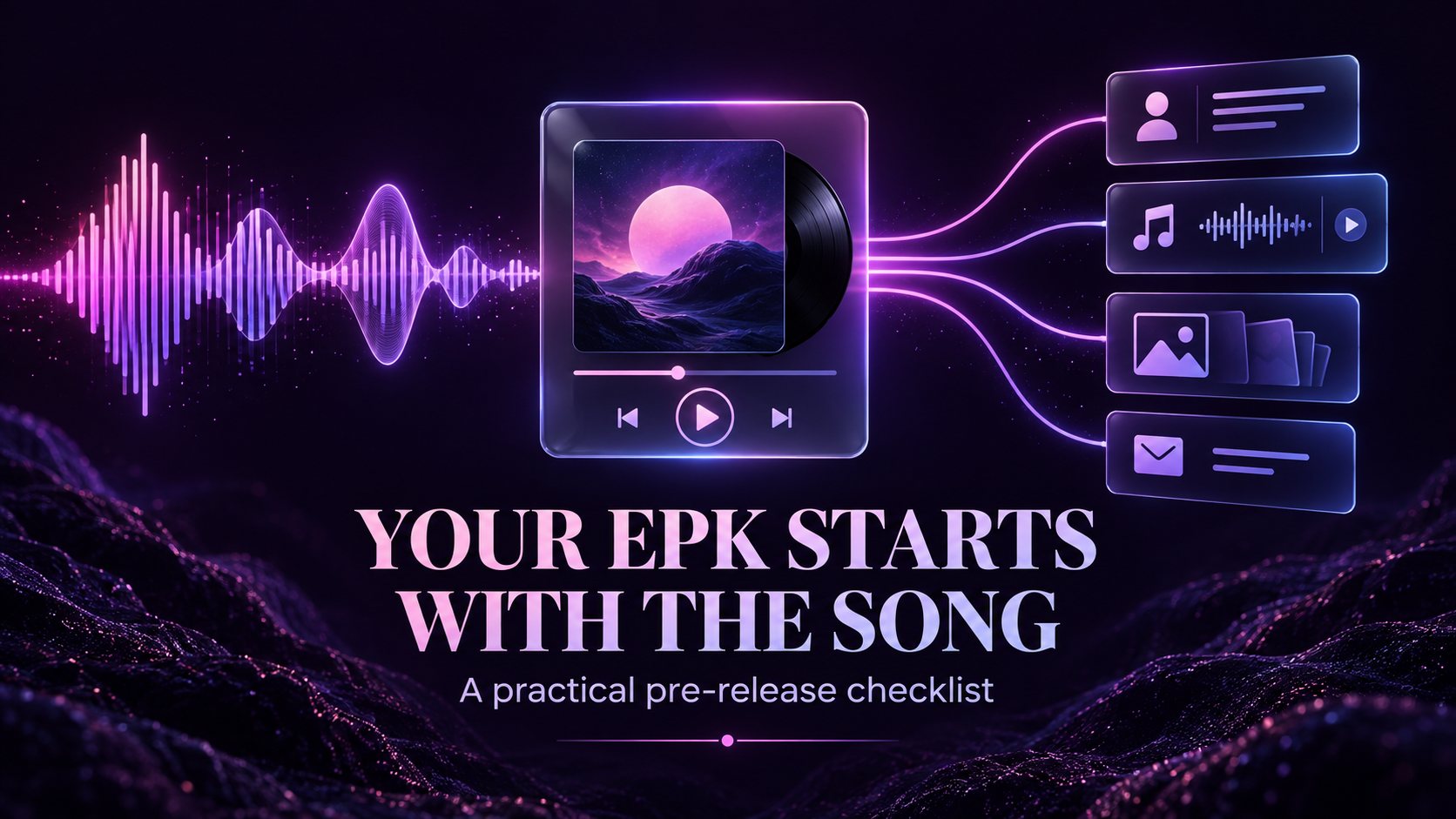
An Electronic Press Kit, or EPK, is your professional calling card. It's a digital package that provides all essential information about you and your music in one easily accessible place. Think of it as your resume and portfolio combined. A well-crafted EPK is absolutely crucial for any serious artist looking to engage with the press, booking agents, or industry professionals.
Key components of a compelling EPK include a concise artist bio, high-resolution photos, links to your music (preferably private streaming links for unreleased tracks), relevant press clippings or testimonials, and links to your social media profiles and website. Don't forget the importance of a powerful musician onesheet as part of your EPK, offering a quick, impactful summary. For a detailed guide on what to include and how to build one, check out this excellent resource on Creating an Electronic Press Kit (EPK) for Musicians.
Identifying Your Target: Finding the Right Online Music Reviewers
One of the most critical steps in any successful music pitching strategy is identifying the right outlets. Sending your heavy metal track to a folk music blog is a waste of everyone's time. You need to find blogs, publications, and online music reviewers whose tastes align with your genre and style. Start by researching artists similar to you – where have they been featured? What blogs cover their releases?
Delve into music blogs, online magazines, and independent review sites. Pay attention to their past coverage to ensure a good fit. Many sites will have submission guidelines or contact forms, but often a little digging can uncover direct email addresses. Personalized outreach is always more effective than generic submissions. This strategic research is vital; as Bandzoogle advises, doing your homework is key to effective pitching. Learn more about structuring your pitches and using your EPK effectively by reading Bandzoogle's Tips for Pitching Music to Online Reviewers.
Tools like search engines, social media, and even music discovery platforms can help you compile a targeted list. Look for contact information on their "About Us" or "Contact" pages. Remember, the goal is not just to find any reviewer, but the right reviewer who genuinely appreciates your sound.
The Art of the Email Pitch: Getting Your Music Noticed by Blogs
Once your EPK is polished and your target list is curated, it's time to craft the actual pitch. This is where many artists falter, but with TunePact's guidance, you can create emails that stand out.
Crafting Subject Lines That Demand Attention
Your subject line is your email's first impression – and often its last if it doesn't immediately grab interest. It needs to be concise, informative, and intriguing, without being spammy. Avoid vague phrases like "New Music" or "Listen to My Song." Instead, try something like: "For Review: [Your Artist Name] - [Song/Album Title] (Genre)" or "Feature Consideration: [Artist Name] & New Single 'Track Title'."
Adding a personal touch, if appropriate, can also work wonders, such as "Re: [Reviewer's Recent Article] - [Your Artist Name] New Single." Keep it under 50 characters to ensure it displays fully on mobile devices. A strong subject line makes the reviewer curious enough to open your email, giving your email pitch music a fighting chance.
Structuring Your 'Keep It Simple' Message for Online Music Reviewers
Reviewers are busy people; they receive hundreds of submissions. Your pitch needs to be brief, clear, and direct. The "keep it simple" philosophy is paramount here. Get straight to the point without unnecessary fluff or lengthy personal anecdotes. TuneCore emphasizes this brevity, advising artists to be concise. For more comprehensive advice on how to effectively pitch music to both blogs and Spotify playlist curators, covering essential preparation and communication strategies, refer to TuneCore's Guide to Pitching Music to Blogs and Playlists.
Start with a brief, personalized greeting, addressing the reviewer by name. Immediately state why you're contacting them and reference something specific they've covered that caught your attention. This shows you've done your homework and aren't just sending a generic email. Clearly state your "ask" – are you seeking a review, a feature, an interview, or a premiere?
The body of your email should be broken into short, digestible paragraphs or bullet points. Highlight your genre, a few key influences, and what makes your music unique. Avoid excessive adjectives and let the music speak for itself. Remember, clarity and directness are your allies when you pitch music to blogs.
What to Include (and Exclude) in Your Email Pitch
What to Include:
- Personalized Greeting: Address the reviewer by name.
- Brief Introduction: Your artist name, location, and genre.
- The "Hook": Why your music is relevant to them or their audience.
- Music Link: A private streaming link (SoundCloud private link, unlisted YouTube, or a Bandcamp private link) is highly preferred for unreleased tracks. Make it easy to access with one click.
- Call to Action: Clearly state what you're asking for (e.g., "I'd be honored if you'd consider my new single '[Song Title]' for review/feature.").
- EPK Link: A single, clean link to your EPK/Press Kit.
- Social Media Links: One or two main links (e.g., Instagram, Spotify).
- Release Date: If applicable, especially for premieres.
- Professional Signature: Your name, artist name, and website.
What to Exclude:
- Attachments: Never attach audio files or large images directly to an email.
- Long Essays: Keep your pitch under 200 words, ideally.
- Over-the-Top Hype: Let your music and brief description do the talking.
- Generic Templates: Every email should feel uniquely tailored to the recipient.
- Demands or Expectations: Be polite and respectful; coverage is a privilege, not a right.
As Crafting Effective Emails for Music Blog Coverage rightly points out, personalization and clarity are paramount. Proofread your email meticulously for any typos or grammatical errors. A professional tone reflects positively on your artistry, making your email pitch music more impactful.
Beyond the Send Button: Follow-Up and Professionalism

Sending your pitch is just one part of the journey. What happens next, and how you handle it, can significantly impact your long-term success in securing coverage and building industry relationships.
When and How to Follow Up Effectively
Don't expect an immediate response; reviewers are often inundated with emails. A polite follow-up can be effective, but timing is key. Generally, waiting 1-2 weeks after your initial email is a good practice. Send just one gentle follow-up. Keep it brief, referencing your previous email and asking if they had a chance to listen.
A follow-up should never be demanding or accusatory. A simple, "Just wanted to gently bump this to the top of your inbox in case it got lost" is usually sufficient. Avoid sending multiple follow-ups, as this can be perceived as annoying and unprofessional. Remember, the goal is to remind them, not to badger them into a response.
Navigating Rejection and Building Long-Term Relationships
It's inevitable: not every pitch will result in coverage. Rejection is a part of the process, and it's crucial to handle it with grace and professionalism. Don't take it personally; a reviewer's decision might be due to a lack of time, a mismatch in taste, or simply too many submissions. Thank them for their time if they respond with a polite decline.
Even if a reviewer doesn't cover your current release, they might be interested in future projects if you've maintained a positive, professional demeanor. Nurture these relationships over time by engaging with their content on social media or by sending a brief, non-pitch email when you genuinely appreciate an article they've written. Building a network of contacts can open doors for future collaborations and features. Consider exploring alternative pitching platforms as well, such as understanding effective SubmitHub strategies for music promotion or exploring Groover for independent music promotion, which can offer broader reach and different avenues for exposure.
Supercharge Your Strategy with TunePact's AI Music Marketing Platform
At TunePact, we're dedicated to empowering independent artists with the tools they need to succeed. Our AI music marketing platform is designed to streamline your promotional efforts, making your music pitching strategy more efficient and effective than ever before.
Streamlining Your Outreach and Analytics
Imagine having all your reviewer contacts organized in one place, with the ability to track every pitch you send. TunePact’s platform offers robust contact management features, allowing you to build and segment your lists of online music reviewers. You can track the status of each pitch, see who has opened your emails, and measure the response rates. This level of organization saves you countless hours and provides valuable insights into what’s working and what’s not.
Our platform helps you manage your outreach schedule, ensuring timely follow-ups without the guesswork. By centralizing your promotional activities, you gain a clearer overview of your entire marketing campaign, from initial contact to successful coverage.
Optimizing Your Pitching Efforts with AI Insights
One of the most powerful aspects of TunePact is our AI-driven insights. Our platform can help you identify optimal targets by analyzing your music and suggesting relevant blogs and reviewers based on genre, style, and past coverage. This significantly reduces the time you spend on manual research and increases the likelihood of pitching to genuinely interested parties.
Furthermore, our AI can assist in personalizing messages by suggesting key phrases or insights based on a reviewer's previous work, helping you craft more compelling and tailored pitches. This intelligent assistance ensures your music pitching strategy is not just organized but also optimized for maximum impact. Discover how TunePact's comprehensive tools can transform your promotional efforts by visiting TunePact's AI music marketing platform today.
Frequently Asked Questions About Music Pitching
What is the most important thing to include in a music pitch email?
The most important things to include are a personalized greeting, a brief and compelling introduction to your music, and an easy-to-access private streaming link to your track. Personalization shows you've done your research, and a simple link respects the reviewer's time, making it effortless for them to listen to your music. Always ensure your "ask" is clear and concise.
How long should I wait before following up on my music pitch?
It's generally recommended to wait 1 to 2 weeks before sending a follow-up email. Reviewers receive a high volume of submissions, and a gentle reminder after this period is often appreciated. Avoid sending multiple follow-ups, as this can be counterproductive and unprofessional.
Is an Electronic Press Kit (EPK) truly necessary for pitching music?
Absolutely. An Electronic Press Kit (EPK) is essential. It serves as your professional resume, providing all crucial information—bio, photos, music, press clippings, social links—in one organized place. Sending a clean link to a well-structured EPK demonstrates professionalism and makes it easy for reviewers to get the full picture of your artistry.
Where can independent musicians find online music reviewers to pitch to?
Independent musicians can find online music reviewers through several methods:
- Researching Similar Artists: See where artists in your genre have been featured.
- Genre-Specific Blogs: Use search engines to find blogs that specialize in your music style.
- Music Aggregators & Directories: Some sites compile lists of music blogs.
- Social Media: Follow music journalists and bloggers and see what they're covering.
- Submission Platforms: Services like SubmitHub or Groover can connect you with curated lists of reviewers (though a fee is often involved).
- Blog Rolls & "About Us" Pages: Many blogs link to other similar sites or list their contributors.
Thorough research ensures you're pitching to outlets that are genuinely interested in your type of music.