Best & Worst Months to Drop Music in 2026 for Artists
As an independent artist, every single decision you make about your music career holds significant weight. From the chords you choose to the marketing tactics you employ, each step contributes to your journey. Among the most critical, yet often underestimated, decisions is the timing of your music release. In a crowded digital landscape, a well-timed drop can be the difference between a whisper and a roar. For 2026, let's explore how to strategically plan your releases for maximum impact.
The Strategic Edge: Why Your Music Release Timing Matters
Releasing new music is more than just uploading tracks to streaming platforms; it's a strategic maneuver that can profoundly influence your visibility, fan engagement, and ultimately, your career trajectory. Understanding the nuances of the music calendar can give independent artists a crucial competitive advantage.
Beyond the Music: The Power of a Well-Timed Drop
The timing of your release isn't just about when your song becomes available; it's about optimizing its launch for the best possible reception. A well-timed drop can significantly impact how many people discover your music, how actively your existing fans engage, and how well your tracks perform within Digital Service Provider (DSP) algorithms.
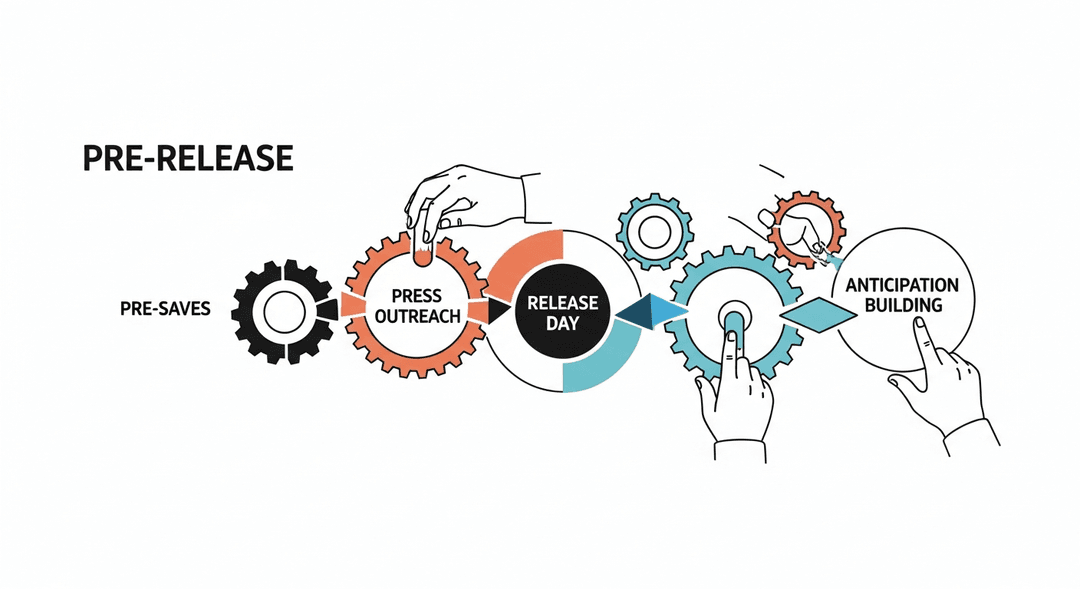
Crucially, effective promotion begins long before release day. We consistently advise artists to kick off their promotional efforts a minimum of 4-6 weeks before your release date. This pre-release window is vital for setting up pre-saves, securing press, and building anticipation. For a comprehensive guide to all the steps involved, make sure to consult Your Essential Music Release Checklist for Independent Artists.
Think of it this way: releasing music without a strategic timing plan is like launching a rocket without a trajectory. You might get off the ground, but where you land is anyone's guess. Strategic timing helps you aim for the stars.
The Independent Artist's Release Schedule Advantage
Independent artists often have more flexibility than their major label counterparts, allowing them to be agile and responsive to market trends. This freedom is a superpower when it comes to planning your independent artist release schedule. By understanding industry cycles, seasonal listener behaviors, and peak promotional windows, you can strategically position your releases to cut through the noise.
Maximizing initial traction is paramount for independent artists. A strong start can signal to DSP algorithms that your music is resonating, potentially leading to increased algorithmic playlisting and broader discovery. This early momentum can be the foundation for sustained growth and fan engagement throughout the year.
Kicking Off Strong: January & February Music Promotion Calendar
The beginning of the year often presents a unique and powerful opportunity for independent artists. After the holiday rush, both listeners and industry professionals are often looking for fresh content and new discoveries, making January and February prime months for a strategic release.
Capitalizing on the Post-Holiday Reset
As the festive season winds down, there's a collective feeling of a "clean slate." Listeners are emerging from a period saturated with holiday music and often crave new sounds. This period sees less competition compared to the spring and summer months, which can be a huge advantage for artists vying for attention.
Industry teams, including editorial curators and publicists, are also back in full swing, with their budgets reset and inboxes often more receptive. This means a higher likelihood of your pitches being seen and considered. Listeners are open to discovery, ready to update their playlists, and actively searching for something fresh to kick off their year.
Themes That Resonate Early in the Year
Certain themes and moods naturally align with the start of the year, offering independent artists specific avenues for connection. Leveraging these can amplify your music's impact.
- Workout and Fitness-Friendly Tracks: With New Year's resolutions in full swing, high-energy, motivational tracks that fit into workout playlists can see significant traction.
- Positive or Motivational Messages: Songs that inspire hope, resilience, or personal growth resonate deeply as people set new goals and reflect on the future.
- Upbeat, High-Energy Vibes: "New year, new me" anthems or tracks that embody a fresh start can capture the renewed optimism of the season.
- Specifically in February: Consider themes around love, relationships, or even anti-Valentine's Day sentiments. Love songs or tracks about heartbreak and self-reflection can find a dedicated audience around this romantic holiday.
Leveraging these thematic windows can help you build significant momentum early in the year for your independent artist release schedule. It's an excellent time to establish consistency and set the tone for your artistic journey in 2026. For more in-depth strategies on how to promote your music effectively during these key periods, check out TunePact's Music Promotion Strategies for Independent Artists 2024.
Navigating Peak Season: Spring & Summer Music Industry Trends
As the weather warms up, the music industry kicks into high gear. Spring and summer are often seen as prime release windows, filled with festivals, outdoor events, and a general celebratory atmosphere. However, this also brings increased competition that independent artists must skillfully navigate.
Festival Season and Summer Anthems
Spring marks the beginning of festival season, with major events like SXSW and Coachella dominating the music news cycle. This period offers immense opportunities for exposure if your music aligns with the festival vibe, but it also means a flood of new releases from artists hoping to catch a wave of attention.
Summer, on the other hand, is synonymous with "summer anthems." These are often upbeat, feel-good tracks perfect for road trips, beach days, and outdoor parties. Strategies for creating and promoting these types of tracks involve leaning into themes of freedom, joy, and vacation vibes. Think about how your music can become the soundtrack to your listeners' summer experiences.
While these months offer high listener engagement, they also present challenges due to the sheer volume of new music being released. Standing out requires a highly targeted and creative approach to your promotion. Consider collaborating with other artists or influencers to expand your reach during this busy time.
Avoiding the Summer Slump: Strategic Releases
The "summer slump" isn't about a lack of listeners, but rather the difficulty of cutting through the amplified noise. When everyone is dropping new music, your unique sound needs an extra push to be heard. This is where strategic planning becomes absolutely critical.
For some genres, like electronic dance music (EDM), pop, or upbeat indie, summer is the best time to drop music. However, for more introspective or niche genres, a mid-summer release might get lost in the shuffle unless accompanied by a very robust, distinctive marketing campaign. Consider releasing a single or EP that aligns with summer vibes, saving a full album for a less competitive time.
To truly stand out, focus on hyper-targeted promotion, leveraging micro-influencers, and engaging deeply with your existing fanbase. This period is also excellent for live performances and building local buzz, as people are more likely to be out and about. For a deeper dive into crafting an effective plan, explore The Winning Release Strategy for Indie Artists.
Year-End Push: Fall & Holiday Streaming Platform Release Timing
As summer fades and the leaves begin to turn, the music industry shifts gears once again. The fall and holiday seasons present a different set of opportunities and challenges, particularly concerning streaming platform release timing and consumer behavior.
Back-to-School and Q4 Opportunities
The "back-to-school" period in late August and September offers a renewed focus for many listeners. Students returning to campuses, people getting back into routines – this can be a time of increased music discovery as people seek new soundtracks for their refreshed schedules. This creates a fertile ground for indie artists, especially those with genres that align with study, reflection, or new beginnings.
The fourth quarter (Q4) of the year, encompassing October, November, and December, is a massive marketing push for many industries, and music is no exception. Major labels often release their biggest albums in Q4 to capitalize on holiday shopping and end-of-year awards buzz. This means increased competition but also heightened overall consumer spending and attention.
Staying abreast of general music industry trends is crucial here. Large industry shifts and major label campaigns can influence listener behavior and promotional landscapes. Independent artists can strategically counter-program or find niche lanes during these busy months by understanding where the mainstream focus lies.
The Holiday Music Rush: Niche vs. Mainstream
As December approaches, the music industry is dominated by holiday releases. While this can be a high-competition zone for mainstream pop or traditional holiday music, it can also be a goldmine for niche artists. If your genre lends itself to unique holiday interpretations (e.g., indie-folk carols, electronic holiday remixes), you might find a dedicated audience.
For artists not releasing holiday-themed music, the challenge is to cut through the festive noise. Strategies here might include focusing on year-end impact, positioning your music for "best of 2026" lists, or leveraging the reflective mood of the season. A well-placed ballad or an emotionally resonant track can stand out amidst the jingle bells.
Understanding the unique landscape of holiday releases is vital. While mainstream attention might be elsewhere, indie artists can still secure significant engagement by targeting their existing fans and niche communities. Consider the insights from publications like Hypebot, which often provide valuable perspectives on indie artist strategies during busy periods.
Maximizing Impact: Beyond the Best Time to Drop Music
While strategic timing is a powerful tool, it's just one component of a comprehensive music release strategy. The true secret to sustained success lies in consistent effort, leveraging data, and embracing innovative technologies.
Leveraging Data and Analytics for Your Next Drop
In today's digital music landscape, data is your best friend. The importance of consistent content and fan engagement cannot be overstated, regardless of your chosen release month. Algorithms favor active artists, and consistent interaction keeps your audience invested.
Utilize pre-saves as a powerful indicator of listener intent and a signal to DSPs. Dive into your streaming platform analytics to understand where your audience is, what other artists they listen to, and when they are most active. This data can inform not just your release timing, but also your targeted advertising campaigns and content strategy.
Understanding Statista Music Streaming Platform Market Share data can also give you insights into the dominant platforms. Each platform has its own algorithm and user base nuances, which can affect your streaming platform release timing and promotional efforts. Tailoring your approach to each platform can yield better results.
The Role of an AI Music Marketing Platform
The future of music marketing is increasingly intertwined with technology. Tools like an AI music marketing platform can be game-changers for independent artists, offering insights and automation that were once only available to major labels. These platforms can analyze your music, identify potential audiences, and even predict optimal release times based on genre, artist history, and market trends.
AI can help you optimize your music release strategy by identifying the most effective channels for promotion, personalizing your outreach, and even suggesting content ideas that resonate with your target demographic. This level of insight helps you reach the right audience at the right time, maximizing your impact.
For independent musicians looking to harness the power of artificial intelligence in their marketing efforts, explore Our Tools: AI Music Marketing Platform for Independent Musicians. This technology aligns perfectly with the broader industry discussions around The Future of Music Marketing: AI, Personalization, and the Creator Economy, enabling artists to thrive in an evolving landscape.
Your Winning Music Release Strategy for 2026
Crafting a successful music release strategy for 2026 as an independent artist requires a blend of foresight, flexibility, and data-driven decisions. It's about more than just picking a month; it's about building a sustainable career.
Actionable Steps for Independent Artists
To recap, here are the key takeaways for independent artists to implement immediately:
- Plan Early: Begin your promotional efforts at least 4-6 weeks in advance of your release date. This window is crucial for pre-saves, press outreach, and building hype.
- Analyze Your Genre: Consider if your genre has seasonal peaks or valleys. Summer pop will behave differently than winter folk.
- Leverage January/February: Capitalize on the post-holiday reset for less competition and active discovery.
- Navigate Peak Seasons Wisely: If releasing in spring/summer, have a robust plan to stand out amidst increased competition.
- Strategize for Q4: Understand the holiday rush and either align with niche holiday themes or counter-program with year-end reflection.
- Embrace Data: Use your streaming analytics to inform your decisions, from timing to audience targeting.
- Stay Consistent: Regular content and engagement keep your audience warm between releases.
- Utilize Technology: Explore tools like AI music marketing platforms to optimize your strategy and reach.
The music landscape is dynamic, as evidenced by reports like Billboard's Year-End Music Industry Report, which highlight the constant evolution of listener habits and industry trends. Your approach should be flexible, allowing you to adapt to these changes while staying true to your long-term vision.
Planning Your Success with TunePact
Your journey as an independent artist is unique, and your release strategy should reflect that. Don't be afraid to experiment, learn from each release, and iterate your approach. The goal is not just to drop music, but to build a lasting connection with your audience and grow your career sustainably.
Proactively planning and utilizing available resources is essential for optimal growth. Platforms like TunePact are designed to empower you with the tools and insights needed to make informed decisions and execute impactful release campaigns. Understanding the broader context of the industry, such as insights from the MIDiA Research Global Music Industry Report, can further refine your strategic thinking.
Take control of your music's destiny in 2026. With careful planning and the right tools, every release can be a step forward in your artistic journey. Start planning your next move today!
Frequently Asked Questions About Your Music Release Strategy
How often should an independent artist release new music for optimal growth?
There's no one-size-fits-all answer, but consistency is key. Many successful independent artists aim for a release every 6-12 weeks, typically alternating between singles, EPs, and albums. This cadence keeps you relevant in algorithms and maintains fan engagement without overwhelming your audience or sacrificing quality. Prioritize quality over quantity, but strive for a regular presence.
What are generally considered the worst months to release music and why?
While no month is truly "worst" if you have a strategic plan, certain periods present higher challenges. Late December is often difficult due to the holiday rush, increased family focus, and a saturation of festive music. Mid-summer (July/early August) can also be challenging for some genres, as many people are on vacation, and the market is flooded with "summer anthems," creating high competition.
These periods aren't impossible, but they require a more targeted, niche strategy and an understanding that mainstream attention might be elsewhere. If you release during these times, ensure your promotional efforts are hyper-focused on your core audience.
How far in advance should an independent artist plan their music release and promotion?
We recommend planning your music release and promotion a minimum of 4-6 weeks in advance. This timeline allows sufficient time for distributor processing, pitching to editorial playlists, setting up pre-saves, coordinating press and media outreach, and building anticipation with your audience. For a full album, 3-6 months of lead time is even better to maximize every promotional opportunity.
Does the genre of music affect the best release timing for independent artists?
Absolutely, genre plays a significant role in optimal release timing. Upbeat pop, EDM, or summer-themed indie rock might thrive in spring/summer, while more introspective folk, classical, or certain R&B genres could find more resonance in fall or winter. Holiday-themed music has its own specific window. Understanding your genre's audience behavior and seasonal preferences can significantly impact your release's success.
Additionally, niche genres might find success releasing consistently year-round, as their audience is less swayed by mainstream seasonal trends. Always consider your specific audience's habits and the mood your music evokes.