How Indie Artists Secure Brand Sponsorships & Collaborations
In today's dynamic music industry, simply creating great music isn't enough for independent artists to thrive. Monetization streams are constantly evolving, and building a sustainable career often requires looking beyond traditional avenues. This is where brand sponsorships and collaborations emerge as powerful tools, not just for financial support, but also for expanding your reach and solidifying your artist brand.
At TunePact, we believe that securing these partnerships isn't about "asking for a deal" but about offering tangible value. This guide will shift your mindset, helping you identify your unique worth, craft a compelling pitch, and demonstrate clear return on investment (ROI) for potential brand partners. Get ready to transform how you approach partnerships and unlock new growth opportunities for your music career.
Introduction: Beyond the Ask – Crafting Your Value Proposition
The digital age has democratized music creation, making it easier than ever for independent artists to produce and distribute their work. However, this also means increased competition for listener attention and, crucially, for sustainable income. For many indie artists, traditional revenue streams like streaming royalties or even live shows might not be enough to fully fund their passion and career growth.
This is where brand sponsorships and collaborations become absolutely crucial. They offer not only financial support but also invaluable exposure to new audiences, credibility by association, and resources that can elevate your production, marketing, and overall artist development. These partnerships are no longer exclusive to mainstream acts; independent musicians with engaged fan bases and unique stories are increasingly attractive to brands looking for authentic connections.
The key to unlocking these opportunities lies in a fundamental shift in perspective. Instead of approaching a brand with a request for support, you need to present yourself as a valuable partner who can help them achieve their marketing objectives. It's about demonstrating how your unique artistry, audience, and influence can provide a significant return on their investment. This article will guide you through identifying your unique value, crafting an irresistible pitch, and proving your impact to secure lucrative brand partnerships.
Before You Pitch: Building Your Musician Brand Deal Foundation
Before you even think about contacting a brand, you need to lay a solid foundation. This involves deeply understanding yourself as an artist and meticulously preparing the tools that will represent you professionally. Brands are looking for more than just good music; they seek genuine connections with artists who have a clear vision and an engaged audience.
Defining Your Unique Artist Value Proposition
Your journey begins with a deep dive into your own artistry. What makes your music, your message, and your persona unique? Brands are interested in authenticity and a clear narrative. Understand your unique sound, your core message, and the specific demographics of your audience. Knowing who you are and who you speak to is paramount.
Developing a strong, authentic artist brand is essential. This brand should resonate not only with your fans but also with potential partners. It encompasses your visual identity, your storytelling, your online presence, and your overall ethos. A well-defined brand communicates professionalism and consistency, making you a more attractive prospect. For deeper insights, explore our guide on crafting a magnetic artist brand.
Brands are constantly searching for artists who can offer more than just a logo placement. They look for authenticity in your content and interactions, a highly engaged audience that aligns with their target market, a unique niche appeal that sets you apart, and a compelling clear story that they can integrate into their own narrative. Your ability to articulate these points will be a significant advantage.
The Essential Indie Artist EPK for Music Sponsorship
Once you’ve defined your artist brand, you need a professional way to present it. An Electronic Press Kit (EPK) is not just for media; it's absolutely vital for brand outreach. Think of it as your professional resume and portfolio, specifically tailored to showcase your partnership potential. While many artists overlook this step, a polished EPK can be the deciding factor in landing a deal.
Your EPK should be comprehensive yet concise, providing all the essential information a brand needs to assess your value. Key components include a compelling artist bio that tells your story, high-quality music samples or links, professional visuals (photos, videos, album art), and any notable press mentions or testimonials. Crucially, for brand sponsorships, your EPK must also include detailed audience data and analytics. This means insights into your demographics, geographic reach, and engagement rates across your social platforms and streaming services.
Consider using a tool to create a professional smart bio link that can house your EPK, streamlining access for potential partners. This centralized hub makes it easy for brands to get a complete picture of who you are and what you offer. For a broader perspective on how musicians should approach brands, the insights from Bandsintown for Artists' guide on contacting brands for music sponsorships and collaborations emphasize the importance of demonstrating value right from the initial contact, a principle perfectly embodied by a well-structured EPK.
Identifying the Right Partners: Strategic Music Brand Partnership Strategy
Finding the right brand to collaborate with is as much about strategic alignment as it is about opportunity. A successful partnership feels organic and beneficial for both parties, rather than a forced commercial endeavor. This requires thoughtful research and a clear understanding of your own brand's identity and values.
Finding Brands Aligned with Your Music and Values
Start by researching brands whose values, aesthetics, and target audience naturally align with your music and personal brand. Think about products or services you genuinely use and love, or brands that represent the lifestyle your music evokes. For example, a folk artist might resonate with an eco-friendly outdoor gear company, while an electronic artist might connect with a tech startup or a cutting-edge fashion label.
Don't limit yourself to obvious music-related brands like instrument manufacturers or streaming services. While these can be great partners, consider expanding your search to lifestyle, tech, fashion, food and beverage, or even consumer goods. The goal is to find brands that are looking to reach an audience similar to yours, through authentic and relatable content.
Understanding the different types of partnerships available can also help you narrow your focus. These can range from monetary sponsorships, where a brand pays you for promotion, to in-kind support (e.g., free gear, clothing, or services), co-promotion deals where you cross-promote each other, or content creation collaborations where you develop unique material together. Each offers distinct advantages, and some might be more accessible as you build your portfolio. A comprehensive guide like Indiefy's practical guide to brand partnerships for independent artists can offer further insights into these various structures and negotiation tactics.
Strategic Networking for Artist Collaboration Opportunities
Beyond cold outreach, leveraging your existing network is incredibly powerful. Start with your 'warm' connections – people you know who might work for brands, marketing agencies, or who have connections within industries that align with your music. A personal introduction or referral can open doors that a cold email might not.
The importance of strategic networking at music conferences and industry events cannot be overstated. These gatherings are prime opportunities to meet brand representatives, marketing professionals, and fellow artists who might be able to offer advice or connections. Attend panels, participate in workshops, and make an effort to engage meaningfully with people. You never know where your next collaboration opportunity might arise. Our guide on mastering music conferences for indie artist growth offers actionable tips.
For a glimpse into how major players approach these alliances, consider reviewing resources like the UTA Music Brand Partnerships overview. While United Talent Agency works with established artists, their approach highlights the strategic considerations and professional execution involved in securing lucrative deals, offering valuable insights into what brands expect from their partners, regardless of scale.
Crafting Your Compelling Pitch: How to Get Sponsored as a Musician
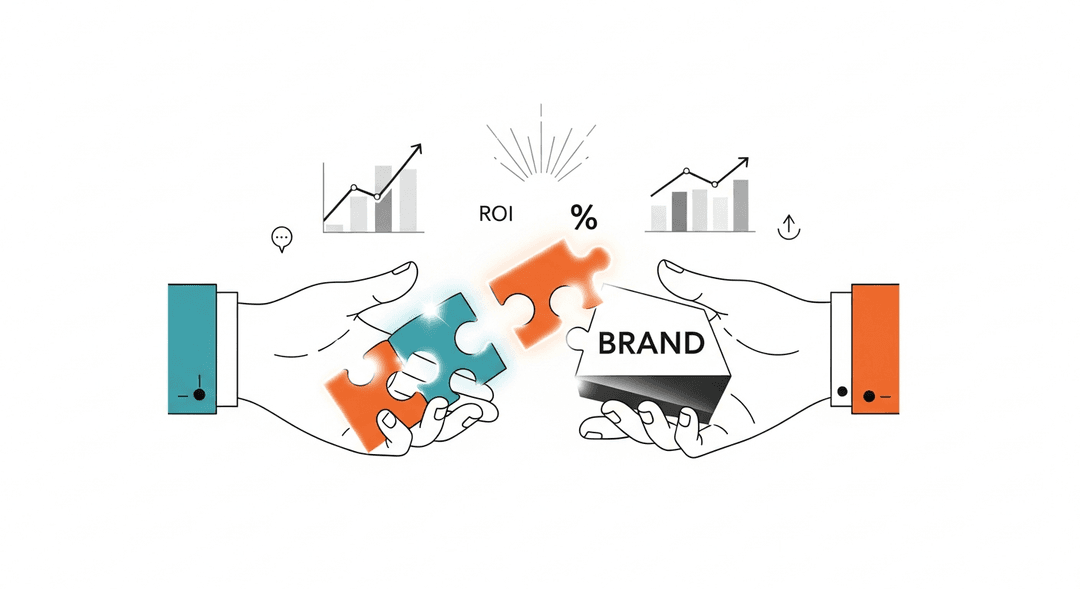
Once you've identified potential partners and prepared your foundation, the next critical step is crafting a pitch that captures their attention and clearly articulates your value. This is where your preparation truly pays off, transforming a generic request into a compelling proposition.
Personalizing Your Outreach for Maximum Impact
The cardinal rule of pitching is: avoid generic templates. Brands receive countless impersonal emails. To stand out, tailor each pitch specifically to the brand you're contacting. Research their recent campaigns, their brand messaging, and even their leadership. Show that you've done your homework and genuinely understand their mission and target audience.
Start your outreach with a genuine connection and appreciation for their work. Mention something specific you admire about their brand or a product you genuinely love. This personal touch instantly builds rapport and demonstrates that your interest is authentic, not just transactional. This genuine connection is often the first step in building a long-term relationship, as highlighted in various industry guides on artist-brand outreach.
Clearly articulating your unique value proposition is paramount. How does your artistry, your audience, and your story align with their brand goals? Don't just state what you want; explain how partnering with you will benefit them. Will you help them reach a new demographic? Enhance their brand image? Create engaging content? Be explicit about the mutual benefits.
Showcasing Your Tangible Value and Audience Engagement
Brands need data to justify their investments. This is where your EPK's analytics come into play. Highlight key metrics such as your audience demographics (age, location, interests), engagement rates on social media, and overall reach. Demonstrate that you have an active and loyal fanbase that aligns with the brand's desired customer base. Emphasize your authentic social media engagement, as genuine interactions often outweigh sheer follower counts.
Don't underestimate the power of past successes, even if they are small. If you've successfully promoted a product for a local business, or if your content consistently generates high engagement, include these examples. Even if you're an emerging artist, you can leverage nano-influencer music marketing strategies, showcasing your ability to drive action within your dedicated community. These examples provide social proof and demonstrate your influence.
Propose specific, measurable collaboration ideas. Instead of saying "I want to work with you," suggest "I envision creating a series of Instagram Reels featuring your new product during my studio sessions, reaching my 10,000 highly engaged followers." Offer concrete ideas like social media campaigns, content creation (e.g., custom songs, video scores), live stream integrations, or product placements in music videos. The more specific and actionable your ideas, the easier it is for a brand to visualize the partnership.
Crucially, demonstrate potential ROI for the brand using data-driven insights. How will your partnership translate into brand awareness, lead generation, or sales for them? Reference industry trends or consumer behavior insights if possible. For instance, insights from MIDiA Research's blog on music's growth engine can provide valuable context on fan monetization and buyer behavior, helping you frame your value proposition in terms of tangible business outcomes. Conclude your pitch by clearly outlining the next steps and follow up professionally and persistently, without being intrusive.
Nurturing the Relationship & Measuring Success
Securing a brand sponsorship or collaboration is just the beginning. The real work, and the foundation for future opportunities, lies in effectively managing the partnership and proving its value. A successful collaboration is a mutually beneficial journey, not just a one-time transaction.
Beyond the Deal: Sustaining Mutually Beneficial Collaborations
Once the agreement is in place, your top priority is to deliver on your promises and exceed expectations. Adhere to deadlines, fulfill all agreed-upon deliverables, and maintain the quality that attracted the brand in the first place. Going the extra mile, whether through additional organic mentions or creative content, can significantly strengthen the relationship.
Maintain open and consistent communication with your brand contact. Provide regular updates on your progress, share insights you're gathering, and be responsive to their feedback. Transparency builds trust, which is essential for any successful partnership. Think of them as a team member, not just a client.
Quantifying Your Impact and Proving ROI
A critical component of sustaining and renewing partnerships is demonstrating the tangible impact of your work. This means actively tracking and reporting on campaign performance. Monitor metrics such as reach, impressions, engagement rates, website clicks, and any direct conversions (e.g., sales using a unique discount code). Use analytics from your social media platforms, streaming services, and any custom links provided by the brand.
Presenting this data in a clear, concise report is vital. Highlight what worked well, what could be improved, and why. Use this information to demonstrate the brand's return on investment. Show them how your efforts translated into their objectives, whether it was increased brand awareness, audience growth, or direct sales. This data-driven approach solidifies your value as a marketing partner.
Successful initial collaborations often lead to opportunities for long-term partnerships and renewals. By consistently delivering results and proving your value, you position yourself as a reliable and effective collaborator. Each experience, whether a massive success or a learning opportunity, should be used to refine your future pitches and improve your collaboration strategies. This iterative process is key to building a robust portfolio of brand relationships.
Frequently Asked Questions
What is the best way for independent musicians to find brand sponsorship opportunities?
The best way to find opportunities is through a multi-pronged approach. Start by identifying brands whose values and target audience align with your music and personal brand. Research companies you genuinely admire or use. Leverage your existing network for warm introductions. Attend music conferences and industry events for strategic networking. Don't limit yourself to music-specific brands; explore lifestyle, tech, and consumer goods companies. Utilize tools like LinkedIn to research marketing contacts within target companies.
What should an artist include in their pitch to a brand for collaboration?
A compelling pitch should include a personalized introduction showing you understand and appreciate their brand, a clear articulation of your unique artist value proposition, and specific, measurable collaboration ideas. You must also include key metrics from your EPK: audience demographics, engagement rates, reach, and any past success stories. Crucially, demonstrate how the partnership will benefit the brand and provide a clear call to action with next steps.
How can an indie artist demonstrate value to a potential brand partner?
An indie artist demonstrates value by proving they have an engaged and relevant audience that aligns with the brand's target market. This is done through providing data on audience demographics, social media engagement rates, and reach. Showcasing authentic content creation abilities, a strong artist brand, and a willingness to tailor content to the brand's objectives also demonstrates value. Ultimately, it's about showing how you can help the brand achieve its marketing goals through your unique influence and creativity.
Is an EPK necessary for securing music brand deals?
Yes, an Electronic Press Kit (EPK) is absolutely necessary for securing music brand deals. It acts as your professional portfolio, summarizing all the essential information a brand needs to evaluate you. A well-structured EPK includes your bio, music, high-quality visuals, press mentions, and, most importantly for brands, detailed audience analytics and engagement data. It demonstrates your professionalism and provides crucial insights into your market reach and influence.
Conclusion: Your Path to Thriving Musician Brand Deals
Securing brand sponsorships and collaborations is a powerful strategy for independent musicians looking to grow their careers and generate sustainable income. It moves beyond traditional revenue models, offering a dynamic way to expand your reach, enhance your credibility, and unlock new creative possibilities. The journey begins with meticulous preparation, a deep understanding of your own unique value, and a strategic approach to identifying and engaging with potential partners.
Remember, the core principle is to shift your mindset from "asking for a deal" to offering tangible value. By understanding a brand's needs, aligning with their mission, and clearly demonstrating how your artistry and audience can help them achieve their goals, you position yourself as an invaluable partner. This requires not just great music, but also a professional presentation, data-driven insights, and a commitment to nurturing long-term relationships.
The long-term benefits of strategic collaborations extend far beyond immediate financial gain. They can open doors to new audiences, provide access to resources, and significantly elevate your artist brand, contributing to greater financial stability and career longevity. Don't be afraid to put yourself out there and pursue these opportunities. Start building your foundation, refine your pitch, and confidently reach out today!