
Mastering Your Music Niche: A Guide for Independent Artists
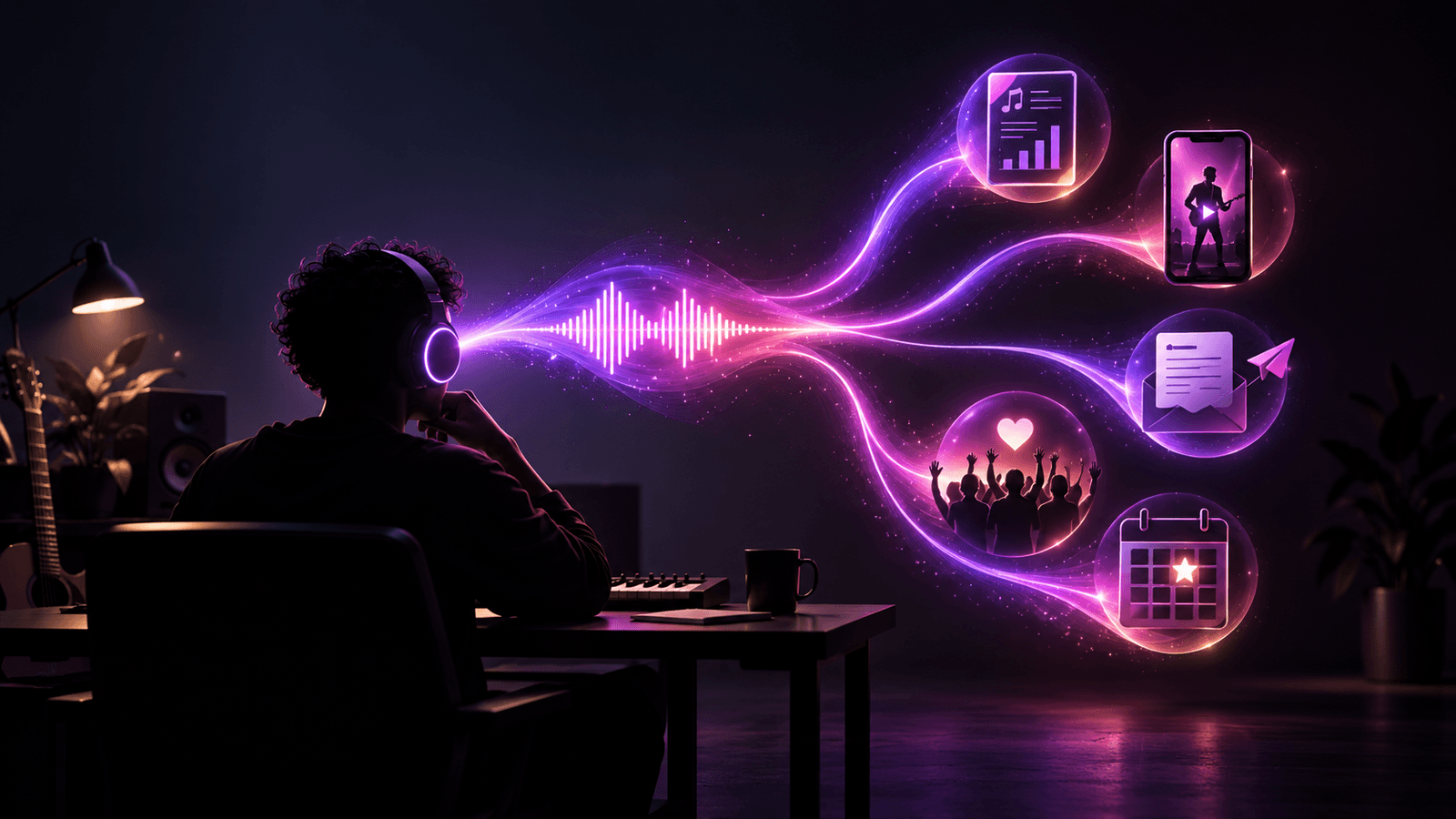
In today's crowded music landscape, merely creating great music isn't enough. To truly stand out, connect with your ideal listeners, and build a sustainable career, independent artists need a focused approach. This guide from TunePact will show you how to transform your unique sound into a powerful asset, leveraging a smart niche music marketing strategy to cultivate a loyal, engaged fanbase and unlock new income streams.
By understanding your specific audience and tailoring your efforts, you can move beyond general promotion and build a thriving music community that supports your artistic journey. Let's dive into how you can identify, connect with, and grow your dedicated following.
Decoding Your Music Niche: The Foundation for Independent Artist Fan Engagement
Before you can market effectively, you must deeply understand who you are creating for. Your music niche is more than just a genre; it's the specific intersection of sound, style, aesthetic, and values that resonates with a particular group of listeners. Identifying this core audience is the first step towards successful independent artist fan engagement.
Identifying Your Unique Sound and Audience
What makes your music distinct? Is it a blend of unexpected genres, specific lyrical themes, or a unique instrumentation choice? Start by dissecting your own sound, then consider who would naturally gravitate towards it. This involves going beyond broad categories like "rock" or "pop" and digging into the subcultures and micro-genres that define your artistic identity.
Understanding your audience involves researching their demographics, such as age, location, and preferred platforms. More importantly, delve into their psychographics: their values, interests, lifestyle, and even their political leanings. What other artists do they listen to? What movies do they watch, or books do they read? Knowing these details helps you understand their world and how your music fits into it. The independent music economy is constantly evolving, requiring artists to be agile and informed. For a deeper understanding of this landscape, consider exploring resources like MIDiA Research's State of the Independent Music Economy, which highlights fragmentation and consolidation trends.
Authenticity is paramount. Your genuine connection to your music and its underlying message will attract those who share similar sentiments. Don't try to appeal to everyone; instead, focus on deeply resonating with a select few. This dedicated approach forms the bedrock of a strong niche music marketing strategy.
Immersing Yourself in Your Niche's Culture
Once you’ve identified your niche, the next step is to immerse yourself in its culture. This means actively participating in the spaces where your potential fans congregate, whether online or offline. Join relevant online communities, follow key influencers and publications, and attend events related to your niche.
Engage in discussions, share your thoughts, and genuinely contribute value before promoting your own music. By understanding the history, inside jokes, and unspoken rules of your niche, you can create content and communicate in a way that feels native and authentic. This approach goes a long way in cultivating a loyal following and can significantly refine your music marketing strategy to grow your fanbase.
Your goal is to become a recognized and respected member of the community, not just an outsider looking to sell something. This deep immersion helps you understand what your audience truly wants, allowing you to tailor your music and marketing efforts to their specific tastes and needs.
Hyper-Targeted Music Advertising: Strategies for Indie Artists
Once you understand your niche, you can leverage targeted music advertising to reach them directly and efficiently. Generic advertising campaigns often waste valuable resources for independent artists. Precision targeting ensures your message reaches the ears most likely to appreciate your sound.
Mastering Facebook Ads for Musicians and Precision Targeting
Platforms like Facebook and Instagram offer incredibly powerful tools for precise audience targeting. For facebook ads for musicians, start by creating Custom Audiences based on your existing email lists, website visitors, or even people who have engaged with your content. Then, leverage Lookalike Audiences to find new users who share similar characteristics with your most engaged fans.
Beyond these, utilize interest-based targeting. Think about the specific artists, bands, genres, festivals, or even magazines and podcasts that your niche audience would follow. You can target users interested in these very specific categories, ensuring your ads are seen by highly relevant potential fans. Remember to budget your ad spend effectively, starting small and scaling up as you identify winning campaigns. Always A/B test different ad creatives and copy to see what resonates best with your audience, optimizing for clicks, engagement, and conversions.
Beyond Facebook: Exploring Other Ad Platforms and Retargeting
While Facebook and Instagram are powerful, don't limit your niche music marketing strategy. Explore other platforms where your specific audience might be active. TikTok, with its massive reach and engagement, offers unique opportunities for viral content and targeted ads. Reddit has countless subreddits dedicated to incredibly specific music genres and subcultures, making it an excellent place for organic and paid promotion.
Consider platforms like YouTube for video ads, or even niche-specific forums and blogs for banner ads or sponsored content. Retargeting is another crucial strategy: serving ads to people who have already interacted with your music or content but haven't yet become dedicated fans. This keeps your music top-of-mind and encourages conversion. For managing your social presence across these platforms, explore essential social media management tools for musicians that can streamline your efforts.
Building a Thriving Music Community: From Listeners to Loyal Advocates
A true niche music marketing strategy isn't just about attracting listeners; it's about fostering a vibrant community around your music. Converting casual listeners into dedicated supporters requires consistent effort and authentic engagement.
Engaging Authentically Across Social Media Channels
Social media is your direct line to your fans. Don't just broadcast; engage. Respond to comments, ask questions, run polls, and share behind-the-scenes glimpses of your creative process. Foster two-way communication that makes your fans feel seen and valued. Platforms like Instagram, Twitter, and TikTok thrive on authenticity and interaction.
Consider creating exclusive content and experiences for your most loyal fans. Patreon allows you to offer tiered memberships with perks like unreleased demos, private Q&As, or early access to tickets. Discord servers can become digital hangouts where fans can interact directly with you and each other, forming strong bonds around your music. Encourage fan-generated content, whether it's covers of your songs, fan art, or sharing their concert experiences. This not only provides social proof but also strengthens the sense of community ownership.
Don't underestimate the power of an email list. This remains one of the most effective ways to communicate directly with your fanbase, bypass algorithm changes, and share exclusive updates, merchandise offers, and tour announcements.
Converting Casual Listeners into Dedicated Supporters
The journey from a casual listener to a dedicated supporter often involves multiple touchpoints and a sense of belonging. Beyond social media, consider how you can deepen these connections. Live streams, whether on Instagram Live, YouTube, or Twitch, offer intimate experiences where fans can feel a direct connection to you and your music.
Platform-specific strategies are key. For instance, to truly leverage TikTok for music promotion, focus on creating short, engaging video content that aligns with trends but also showcases your unique personality and sound. Challenge fans to create content using your music, or share snippets of new tracks to build anticipation. By consistently providing value, fostering interaction, and making your fans feel like part of something special, you'll build a resilient and enthusiastic community.
Optimizing Your Niche Music Marketing Strategy with Data

Data is your best friend in refining your niche music marketing strategy. Understanding what's working and what isn't allows you to make informed decisions, optimize your efforts, and maximize your impact. For independent artists, this means diving into the analytics available across various platforms.
Key Performance Indicators for Independent Musicians
Start by regularly reviewing your streaming data. Platforms like Spotify for Artists and Apple Music for Artists provide invaluable insights into who is listening, where they are located, and how they are discovering your music. Pay attention to listener demographics, geographic distribution, and the playlists your songs are appearing on. These details can inform your touring plans and future promotional efforts.
Social media analytics tell you which posts are resonating most with your audience, what times of day your followers are most active, and how your engagement is growing. Measuring ad campaign performance and ROI is crucial for ensuring your marketing budget is being spent effectively. Track click-through rates, conversion rates, and the cost per acquisition of new followers or listeners. An iterative strategy, constantly learning from your data and adjusting your approach, is the hallmark of successful music marketing for indie artists.
Leveraging TunePact's Fan Analytics Dashboard for Deeper Insights
While individual platform analytics are helpful, a comprehensive overview is even better. TunePact's TunePact's Fan Analytics Dashboard offers a centralized place to gather and interpret data from across your various channels. This specialized tool provides a holistic view of your audience, helping you understand their journey from casual listener to loyal fan.
Our dashboard can help you identify your most engaged listeners, track their activity across different platforms, and understand their preferences. This deeper insight allows for hyper-personalized communication and targeted offers, strengthening your relationship with your fanbase. For additional guidance on effective marketing techniques, consider looking at Spotify for Artists Marketing Strategies, which offers direct advice from a major streaming platform on leveraging data and engaging with fans.
Crafting Resonant Content for Your Niche Audience
Your content—music, visuals, and messaging—must consistently speak directly to your niche. This isn't just about making good music; it's about crafting an entire artistic world that your ideal fans want to be a part of.
Developing Your Unique Artistic Brand Voice
Your artistic brand voice should be a natural extension of your unique sound and the values of your niche. Tailor your music, visuals, and messaging to deeply resonate with your audience's specific tastes and interests. This means considering everything from your album art and music video aesthetics to your social media captions and live show presentation.
Storytelling is a powerful tool. Share your unique narrative, the inspiration behind your songs, and the journey you're on. Fans connect with artists on a human level, and your story can be a compelling bridge. Whether you're an indie folk artist singing about environmental activism or a synth-wave producer creating soundtracks for cyberpunk dreams, ensure your brand consistently reflects this unique identity.
Strategic Content Distribution and Collaboration
Once you have resonant content, you need to get it in front of your niche. Identify and collaborate with other artists, influencers, or brands within your niche. Cross-promotion can introduce your music to new, highly relevant audiences who already share similar interests. Seek out niche-specific blogs, podcasts, and online radio stations that cater to your sound.
Explore diverse content formats that appeal to your audience. This could include short-form videos for TikTok and Instagram Reels, longer-form interviews or documentaries for YouTube, engaging blog posts, or interactive live streams. The goal is to consistently provide valuable and entertaining content that reinforces your artistic identity and keeps your niche audience engaged and growing.
Frequently Asked Questions
How do I accurately identify my music niche if my sound crosses genres?
If your music blends genres, your niche might be defined by the *feeling*, *themes*, or *audience psychographics* rather than a single genre label. Ask yourself: What emotions does my music evoke? What stories do I tell? What other artists, regardless of genre, do my listeners also enjoy? Look for patterns in your early listeners' demographics and interests. Sometimes, your niche is the unique blend itself, appealing to those who appreciate genre-bending artistry. Consider surveying your existing audience or analyzing data from Spotify for Artists to see commonalities among your listeners.
What's the most effective way for an independent artist to build a loyal fanbase within a specific niche?
The most effective way is through consistent, authentic engagement and providing value beyond just your music. This means actively participating in your niche's communities, offering exclusive content (e.g., via Patreon or Discord), fostering two-way communication on social media, and telling your unique story. Make your fans feel like they are part of a special, exclusive club. Building loyalty is a long-term game that prioritizes genuine connection over fleeting trends.
How long does it typically take to see results from a niche music marketing strategy?
Building a loyal fanbase and seeing significant results from a niche music marketing strategy is rarely an overnight success. It's a marathon, not a sprint. You might start seeing early indicators of engagement (likes, comments, shares) within a few weeks or months of consistent effort. However, building a truly dedicated community that contributes to sustainable income can take anywhere from 6 months to several years. Consistency, patience, and iterative learning from your data are crucial for long-term success.
Can focusing on a niche limit an independent artist's potential for broader success?
On the contrary, focusing on a niche often *accelerates* an independent artist's path to broader success. By deeply satisfying a specific group of fans, you build a strong, loyal foundation that provides stability and genuine advocacy. This dedicated core fanbase becomes your biggest evangelists, spreading your music organically. Once you dominate your niche, expanding into adjacent genres or attracting a wider audience becomes a natural progression, built on the solid bedrock of your initial success. It's about building depth before breadth.