
Uncover Why Fans Buy Merch to Boost Your Music Sales
As an independent musician, you pour your heart and soul into your craft. But how do you translate that passion into sustainable income and a thriving community? The answer often lies beyond streaming royalties and ticket sales: it's in your merchandise. Understanding the underlying psychology of why fans purchase merch isn't just about moving units; it's about building deeper connections, reinforcing your brand, and ultimately, boosting your bottom line. Let's dive into how a thoughtful music merch strategy can transform your artistic journey.
The Psychology of Music Merch: Why Fans Connect & Buy
At its core, music merchandise is far more than just a product; it's a profound statement. Fans don't merely buy a t-shirt or a pin; they invest in an experience, an identity, and a shared connection. This understanding is the foundation for any successful music merch strategy.
Beyond Support: Merch as Identity & Statement
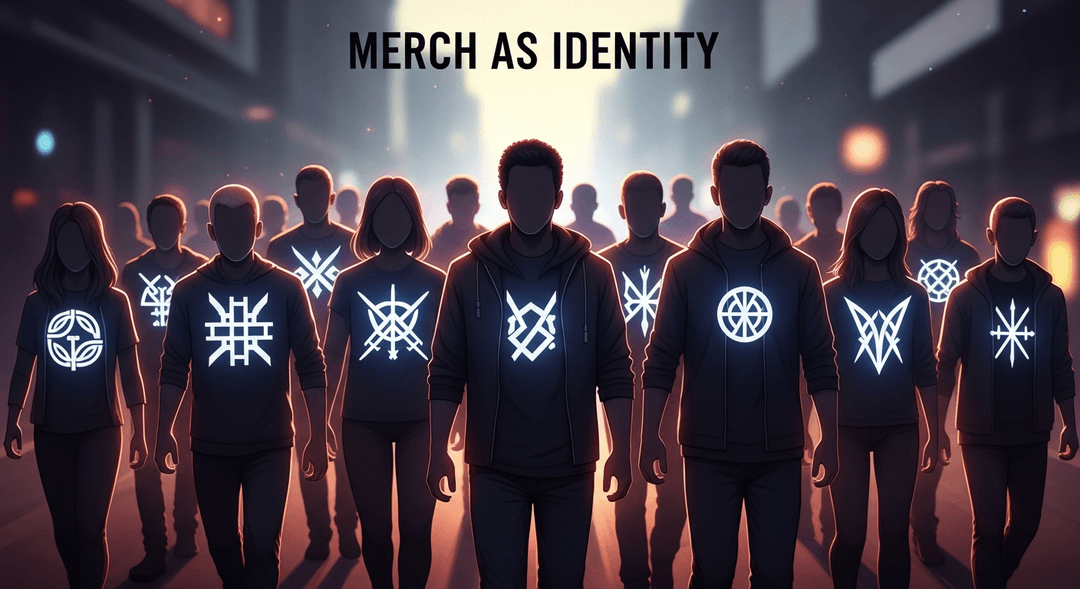
Think about your favorite band's t-shirt. When you wear it, you're not just supporting the artist; you're signaling something about yourself to the world. Merch allows fans to express their identity, values, and allegiance to a particular sound or subculture. It’s a badge of honor, a way to say, "This is who I am, and this is what I stand for."
For your fans, your merchandise becomes an extension of their personal brand. It signifies their taste, their community, and their connection to your unique artistic vision. When fans proudly display your merch, they become walking billboards, sharing their enthusiasm and inviting others into your world.
The Power of Emotional Connection in Purchases
Music is inherently emotional. A specific lyric, a powerful melody, or a memorable live performance can evoke deep feelings. When fans experience these profound moments, they often desire tangible keepsakes that allow them to relive those emotions. Your merch taps directly into this desire.
A tour poster, a signed album, or a custom-designed item can serve as a physical anchor to an emotional memory. These items aren't just commodities; they are artifacts of a shared experience. Research consistently shows that emotional connections drive purchasing decisions in the music industry. Insights from sources like MIDiA Research on Music Merch and Fandom Monetization highlight how fans are increasingly willing to spend on experiences and tangible goods that deepen their connection to artists.
Ultimately, your merchandise is an extension of your artist brand. It's a physical representation of the community you've built and a powerful symbol of belonging for your dedicated listeners. Harnessing this psychological understanding is key to developing truly effective fan engagement merch.
Crafting Irresistible Indie Artist Merchandise Ideas
Once you understand the 'why' behind merch purchases, the next step is to master the 'what.' Your merchandise should be as unique and authentic as your music. This section will help you generate compelling artist merch ideas that resonate with your fanbase and fit your budget.
Translating Your Artistic Vibe into Tangible Products
Your merch should never feel generic. It needs to encapsulate your unique aesthetic, message, and sonic identity. Start by brainstorming themes, lyrical motifs, album art elements, or even inside jokes that are distinct to your brand. What imagery or phrases immediately come to mind when someone thinks of your music?
Consider your genre and target audience. Are they into minimalist designs, bold graphics, vintage aesthetics, or something avant-garde? The more your merch feels like a direct extension of your art, the more irresistible it will be. This requires a thoughtful approach to conceptualization that goes beyond simply slapping your logo on a t-shirt.
Budget-Friendly & Unique Merch Options for Independent Artists
You don't need a massive budget to create compelling merchandise. Many independent artists find success with creative, affordable options. While t-shirts, hoodies, and physical albums are staples, consider diversifying your offerings:
- Pins & Patches: Small, affordable, and perfect for personalizing jackets, bags, or hats.
- Stickers: Highly customizable, low cost, and great for giveaways or add-ons.
- Limited-Edition Art Prints: Featuring album art, lyrics, or original designs, often signed and numbered for exclusivity.
- Unique Accessories: Custom guitar picks, branded tote bags, bandanas, keychains, or even custom blend coffee/tea if it fits your brand.
- Digital Bundles: Offer exclusive downloads, behind-the-scenes content, or personalized messages bundled with physical merch.
Sourcing quality products affordably is crucial. Look for local printers, online print-on-demand services, or explore wholesale suppliers that offer lower minimum order quantities. Prioritize quality materials, even for budget-friendly items, as this reflects positively on your brand. For a deep dive into practical selling strategies, check out our comprehensive guide to selling independent artist merchandise online.
Design Principles for High-Impact Merch
Great design makes your merch desirable. Here are some principles to consider:
- Clarity & Readability: Ensure your logo or message is clear and easy to understand.
- Brand Consistency: Use fonts, colors, and imagery that align with your overall artistic brand.
- Versatility: Designs that look good in different contexts (e.g., on a t-shirt, a mug, or a phone case) are more valuable.
- Storytelling: Can your merch tell a mini-story or evoke a specific mood related to your music?
- Exclusivity: Limited runs, signed editions, or designs only available at certain events can create urgency and perceived value.
Investing in good design, whether by collaborating with an artist or refining your own skills, will significantly elevate your indie artist merchandise and make it truly stand out.
Strategic Music Merch Marketing to Boost Your Sales
Having great merch is only half the battle; people need to know it exists and be motivated to buy it. A robust music merch marketing plan is essential to convert interest into sales and significantly increase merch sales.
Optimizing Your Online Store & Promotion Channels
Your online store is your 24/7 storefront. Ensure it's user-friendly, visually appealing, and mobile-responsive. High-quality product photos from multiple angles are a must, along with detailed descriptions that tell a story about each item. Clearly state sizing guides, material information, and shipping policies.
Promote your store relentlessly across all your digital channels:
- Social Media: Share lifestyle photos of fans wearing your merch, behind-the-scenes glimpses of new items, and direct links to your store. Use Instagram Shopping and Facebook Shops.
- Email List: Your most dedicated fans are on your email list. Announce new drops, offer exclusive discounts, and send reminders about limited stock.
- Website/Bio Links: Make your merch store easily accessible from your main website and all your social media bios. Tools like a smart bio link to promote your merch can consolidate all your important links in one place.
- Collaborations: Partner with other artists or local businesses for cross-promotion, reaching new audiences with your merch.
Leveraging Live Performance and Tour Merch Strategies
Live shows are prime opportunities for merch sales. The emotional high of a concert translates directly into purchasing power. Optimize your live merch setup:
- Prominent Display: Make your merch table visible, well-lit, and attractive. Use clear signage and consider a banner or backdrop.
- Staffing: Have a dedicated, friendly person (or yourself!) managing the table. They should be knowledgeable about the products and able to engage with fans.
- Payment Options: Offer multiple payment methods, including cash, credit/debit cards (via Square, PayPal Here, etc.), and digital wallets.
- Bundles & Deals: Offer special show-only bundles or discounts for buying multiple items.
- Announce It: Mention your merch table from the stage, highlight new items, and encourage fans to visit after the show.
Merch is increasingly recognized as a primary revenue stream for artists on the road. Dive deeper into making the most of your live sales with our guide on merch as a primary profit driver for touring artists.
Creating Scarcity, Bundles, and Exclusive Offers
Psychological triggers can significantly impact sales. Implement these strategies to drive demand:
- Limited Editions: Announce a specific number of units for a particular design. This creates urgency and makes items feel more valuable.
- Pre-Orders: Generate excitement and secure sales before production. Offer a small discount or exclusive bonus for pre-orders.
- Bundles: Combine items (e.g., a t-shirt, a digital album, and a sticker) at a slightly reduced price than if bought separately. This increases average order value.
- Exclusive Offers: Reward loyal fans with special discounts, early access to new drops, or unique items available only to email subscribers or Patreon supporters.
These tactics not only boost immediate sales but also cultivate a sense of excitement and appreciation among your fanbase, reinforcing their connection to your brand.
Cultivating Fan Engagement Through Merch & Community
Merchandise isn't just about transactions; it's a powerful tool for community building and fostering deeper connections. Effective fan engagement merch strategies can turn casual listeners into devoted followers, strengthening your overall community.
Merch as a Tool for Community Building
When fans wear your merch, they're not just showing their support for you; they're also signaling to other fans that they belong to a shared tribe. This creates a sense of camaraderie and shared identity among your listeners. Seeing someone else wear your band's t-shirt can spark conversations, forge new friendships, and solidify the feeling of being part of something special.
Your merchandise can become the uniform of your community. It reinforces the shared values, aesthetics, and experiences that bind your fans together. This sense of belonging is incredibly powerful and contributes significantly to long-term loyalty. To learn more about building this vital connection, explore our guide on cultivating your community as an independent musician.
Encouraging Fan Interaction and Loyalty
Involve your fans in the merch process to deepen their investment and engagement:
- Fan-Sourced Designs: Run a contest asking fans to submit design ideas for a new t-shirt or poster. This directly involves them and guarantees a design that resonates.
- Voting on Products: Poll your audience on social media or via email about what kind of merch they'd like to see next (e.g., "Tote bags or beanies?").
- User-Generated Content (UGC): Encourage fans to share photos or videos of themselves wearing or using your merch. Repost their content (with permission!) on your official channels. Create a unique hashtag for your merch.
- Personalized Thank Yous: Include handwritten notes with orders, or create personalized video shout-outs for big purchases.
- Loyalty Programs: Implement a tiered system where super fans who spend above a certain amount receive exclusive discounts, early access to new releases, or special merch items not available to the general public.
By actively involving your fans and rewarding their loyalty, you transform a transactional purchase into a meaningful interaction, fostering a dedicated and highly engaged community around your music.
Analyzing & Evolving Your Merch Strategy for Growth
A successful music merch strategy isn't static; it's dynamic. Continuously analyzing your performance and adapting to feedback and market trends is crucial for sustained growth and profitability. This iterative process allows you to refine your offerings and maximize your revenue.
Tracking Performance and Understanding Fan Demand
Data is your friend. Regularly review your sales data to identify which items are best-sellers and which are lagging. Pay attention to:
- Sales Volume: Which products sell the most units?
- Profit Margins: Which items generate the most profit per sale?
- Inventory Turnover: How quickly do items sell out? This helps with reordering and preventing overstock.
- Conversion Rates: How many visitors to your merch store actually make a purchase?
- Geographic Data: Where are your biggest merch buyers located?
Tools within your e-commerce platform (like Shopify, Bandcamp, or your TunePact store) can provide valuable insights. Understanding these metrics will help you make informed decisions about future designs, quantities, and pricing, leading to an overall increase merch sales.
Adapting to Market Trends and Feedback
The merchandise landscape is always evolving. Stay informed about current trends in fashion, graphic design, and artist merch. What kind of items are popular? What design aesthetics are resonating with your audience demographic? Resources like Global Artist Merchandising Market Statistics can provide broader insights into market growth and key drivers.
Equally important is actively soliciting and acting on fan feedback. Use surveys, social media polls, or direct conversations at shows to ask what types of merch they'd like to see, what sizes they prefer, or what price points they find reasonable. Your fans are your best consultants!
An iterative approach to merch means you're always experimenting, learning, and refining. Don't be afraid to try new designs, test different product types, or adjust your marketing tactics based on what you learn. This continuous evolution is key to keeping your merch fresh, relevant, and in demand, ensuring your indie artist merchandise remains a strong revenue stream.
Frequently Asked Questions About Music Merch Strategy
What types of merchandise are most profitable for independent musicians?
While profitability can vary, items with a good balance of low production cost and high perceived value tend to be most profitable. These often include T-shirts, hoodies, and physical music (vinyl, CDs) due to their higher price points. However, smaller, high-margin items like pins, stickers, patches, and custom guitar picks can also be very profitable, especially as add-ons or lower-cost entry points for fans. Limited edition art prints or unique accessories can also command higher prices and margins due to their exclusivity.
How can indie artists use merch to build a stronger fan community?
Merch builds community by serving as a badge of belonging and a shared identifier. Encourage fans to share photos wearing your merch using a unique hashtag, fostering user-generated content. Involve fans in the design process through polls or contests. Offer exclusive merch tiers or loyalty programs for super fans. When fans see others wearing your merch, it reinforces their sense of being part of a unique tribe, strengthening their connection to you and each other.
What are effective strategies for marketing music merchandise online?
Online merch marketing thrives on visibility and engagement. Optimize your online store with high-quality photos and clear descriptions. Promote new drops and sales across social media with engaging visuals and direct links. Leverage your email list for exclusive offers and announcements. Utilize smart bio links to consolidate all your important merch links. Consider running targeted ads, collaborating with influencers, and encouraging user-generated content by reposting fan photos.
How does understanding fan psychology help increase merch sales?
Understanding fan psychology allows you to tap into deeper motivations beyond simple support. Fans buy merch to express their identity, signal their belonging to a community, and hold onto tangible memories of emotional experiences with your music. By designing merch that aligns with these psychological drivers – creating items that are authentic, emotionally resonant, and make a statement – you make your products irresistible, fostering a stronger connection that naturally leads to an increase merch sales.