
How to Enhance Your Music Schema for Powerful SEO Results
As an independent musician, standing out online is crucial. Imagine your music not just showing up in search results, but dazzling fans with album art, tour dates, and direct links right on the Google search page. This isn't magic; it's the power of Music SEO Structured Data, and it’s more accessible than you think. At TunePact, we're dedicated to empowering artists like you, and today, we'll demystify how structured data can transform your online visibility, helping you unlock a powerful Google Knowledge Panel and rich, engaging search results.
Introduction: Unlocking Your Music's Visibility with Music SEO Structured Data
In the vast ocean of online content, search engines like Google act as the ultimate librarians, trying to understand and categorize information. For musicians, this means helping Google truly grasp who you are, what music you create, and where your fans can find you.
What is Structured Data (Schema.org) for Musicians?
Structured data, often referred to as Schema.org markup, is a standardized format for providing information about your website to search engines. Think of it as a special language that explicitly tells Google, "This text is my band's name," "This is my latest album," or "Here are my upcoming concert dates." It's hidden in your website's code, invisible to your fans but perfectly legible to search engine bots.
For musicians, this means you can precisely label elements like your discography, band members, genre, and tour schedule. This clarity helps search engines understand your content much more deeply than they could from just reading your website text alone.
Why Schema is a Game-Changer for Your Online Presence
The primary benefit of implementing schema markup is significantly improved search visibility. When Google understands your content better, it can display it in more prominent and engaging ways, known as rich results.
These rich results can include visually appealing elements like album carousels, event listings with ticket links, and even direct play buttons for your songs. Crucially, structured data is a key factor in earning a coveted Google Knowledge Panel, a comprehensive information box that appears for established entities.
By using schema, you're not just hoping Google figures out what your website is about; you're explicitly telling it. This proactive approach enhances your presence, increases click-through rates, and ultimately drives more fans to your music.
How TunePact Streamlines Schema Implementation for Artists
The idea of adding code to your website might sound intimidating, especially for artists who want to focus on their music, not programming. This is where TunePact steps in. We believe that powerful SEO tools should be accessible to everyone, regardless of their technical expertise.
TunePact's platform is designed to automate and simplify much of the schema implementation process. When you build your artist website or manage your music and events through TunePact, our tools work behind the scenes to generate the correct structured data for you. This means you get the benefits of advanced SEO without needing deep technical knowledge, allowing you to focus on creating and connecting with your audience.
Elevating Your Brand: Google Knowledge Panel Music & Rich Results
Imagine your name or band appearing in Google search results with a comprehensive, visually appealing information box right next to it. This is the power of a Google Knowledge Panel, a critical asset for any serious musician.
What is a Google Knowledge Panel and Why Every Musician Needs One
A Google Knowledge Panel is the prominent information box that often appears on the right side of Google search results (on desktop) or at the top (on mobile) when someone searches for an entity like an artist, band, or public figure. It aggregates information from various sources, including Wikipedia, MusicBrainz, and your own structured data, to provide a concise overview.
For musicians, a robust Knowledge Panel typically includes your name, genre, active years, albums, popular songs, social media links, tour dates, and sometimes even a brief biography. It serves as your official digital business card on Google, instantly lending credibility and authority to your presence.
Schema markup directly contributes to populating and enhancing your Knowledge Panel. By providing clear, structured data on your official website and other authoritative sources, you give Google the reliable information it needs to build and maintain an accurate and comprehensive panel for you. For more insights on securing this valuable asset, you might find this article on How to Get a Google Knowledge Panel for Musicians quite helpful.
Captivating Fans with Rich Results and Interactive Carousels
Beyond the Knowledge Panel, structured data unlocks the potential for rich results. These are enhanced search listings that go beyond the standard blue link and description, offering users more engaging and informative snippets directly in the search results page.
For musicians, rich results can manifest in several exciting ways:
- Event Carousels: Displaying your upcoming tour dates, locations, and direct links to tickets.
- Album Listings: Showcasing your album art, release date, and tracklist.
- Song Snippets: Allowing users to play a short preview of your tracks directly from search.
- Discographies: A concise list of your major releases.
- Social Profiles: Prominent links to your official social media pages.
These visually rich displays not only make your search results more appealing but also provide direct calls to action, significantly boosting click-through rates. They also reinforce your professionalism and presence, making it easier for fans to discover and engage with your work. Ensuring consistent and accurate data across all your online platforms, including your EPK (which you can easily build your professional EPK with TunePact), is paramount for a robust Knowledge Panel and compelling rich results.
Mastering MusicGroup Schema Markup and Other Essential Types
To effectively communicate your musical identity to search engines, you need to use specific schema types. These are like specialized labels designed for the music industry, ensuring Google understands the nuances of your artistry.
The Core: MusicGroup, MusicRecording, and MusicAlbum Schema
At the heart of music structured data are three fundamental schema types:
MusicGroup: This is the essential schema type for representing a band or a solo artist. It allows you to define properties such as:name(your band/artist name)genre(e.g., "Indie Rock," "Electronic," "Singer-Songwriter")member(individual `Person` schema for band members)album(links to your `MusicAlbum` entities)discography(a list of your releases)sameAs(links to your official social media profiles, Wikipedia, MusicBrainz, etc.)
MusicRecording: This type is used for individual songs or tracks. Key properties include:name(the song title)byArtist(links to the `MusicGroup` or `Person` who performed it)inAlbum(links to the `MusicAlbum` it appears on)duration(the length of the track)isrcCode(International Standard Recording Code, if applicable)audio(a link to an audio file or stream)
MusicAlbum: This schema defines full releases like LPs, EPs, or singles that contain multiple tracks. Important properties include:name(album title)byArtist(links to the performing artist)numTracks(total number of songs)track(a list of `MusicRecording` entities that make up the album)albumReleaseType(e.g., "Album," "EP," "Single")datePublished(release date)image(album artwork)
By accurately defining these core elements, you provide Google with a rich, interconnected understanding of your musical catalog.
Showcasing Your Gigs with Event Schema
For touring musicians, the Event schema is indispensable. It allows you to mark up your concert dates, tours, and even online performances so they can appear in Google's event listings and carousels. Essential properties include:
name(e.g., "The [Your Band Name] Tour")startDateandendDate(date and time of the performance)location(venue name and address, using `Place` schema)performer(links to your `MusicGroup` or `Person` schema)offers(details about ticket prices, availability, and direct links to purchase tickets, crucial for your strategies to sell concert tickets directly on your website)eventStatus(e.g., "EventScheduled," "EventCancelled")
Implementing Event schema ensures fans can easily find out where and when you're playing, and buy tickets directly from search results, boosting attendance.
Defining Your Identity with Person Schema
For solo artists or individual band members, the Person schema is vital. It helps establish your identity and link it to your musical output. Properties include:
name(your individual artist name)birthDateandbirthPlacealumniOf(e.g., music schools)memberOf(links to the `MusicGroup` you belong to)sameAs(links to your personal social media, Wikipedia, etc.)
Using Person schema ensures that when fans search for you, they get accurate information about your individual identity, often contributing to your personal Knowledge Panel.
The key is to map your musical entities accurately to the correct schema types, creating a comprehensive digital footprint that Google can easily understand and showcase.
Practical Implementation: Musician Website SEO Without the Code
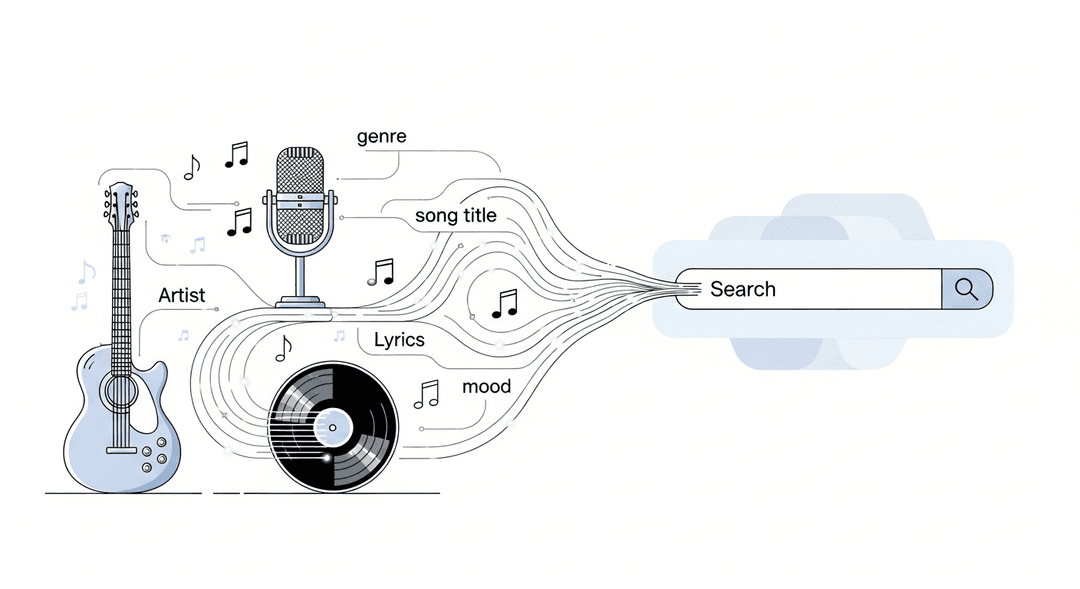
The beauty of modern SEO tools is that you don't need to be a coding wizard to implement structured data effectively. Independent musicians can leverage platforms and simple checks to ensure their online presence is optimized.
Harnessing TunePact's Automated Schema Generation
One of the core benefits of using TunePact for your online presence is our commitment to simplifying technical SEO for artists. When you use TunePact to build your website, upload your music, or list your events, our platform automatically generates much of the necessary schema markup behind the scenes.
This means that as you're creating your artist website and populating it with your content, you're simultaneously building a solid foundation of structured data. We handle the complex coding, allowing you to focus on your creative work and fan engagement. TunePact ensures that essential information like your artist name, album details, and event schedules are correctly marked up and ready for search engines.
Leveraging Third-Party Platforms for Supplemental Schema
While your official artist website should be the primary source of truth, many other music-focused platforms also contribute to your structured data presence. Websites like Bandcamp, Bandsintown, and even major streaming services often generate schema for your releases and events.
The key is to ensure consistency across all these platforms. If your album title, release date, or artist name varies slightly between your website, Bandcamp, and Spotify, it can confuse search engines. Always strive for uniformity in your data. Additionally, services like TunePact's music-native smart bio link can help consolidate your various links and ensure a consistent representation of your brand across all digital touchpoints.
Verifying Your Structured Data with Google's Tools
Even without coding knowledge, you can easily verify if your structured data is correctly implemented. Google provides free tools specifically for this purpose:
- Google Rich Results Test: This tool allows you to paste a URL from your website and instantly see which rich results Google can detect on that page. It also highlights any errors or warnings, guiding you to potential issues.
- Schema Markup Validator (formerly Structured Data Testing Tool): While the Rich Results Test focuses on what Google can display, this tool provides a more detailed breakdown of all the structured data found on a page, regardless of whether it qualifies for a rich result.
These tools are invaluable for independent artists. Simply enter your website URL, and Google will tell you if your schema is valid. If TunePact is managing your site, you’ll typically see green lights across the board, confirming your structured data is in top shape. Your official artist website is always the most authoritative source for schema, so regularly checking its structured data is a smart practice to ensure maximum online visibility.
Integrating Structured Data for Holistic Musician Website SEO
While structured data is incredibly powerful, it's essential to view it as one vital component within a broader, comprehensive musician SEO strategy. It works best when integrated seamlessly with other optimization efforts.
Schema as a Pillar of Your Overall SEO Strategy
Think of structured data as the icing on your SEO cake. It helps Google understand the delicious ingredients beneath. For your music website, this means schema complements other crucial SEO activities:
- Keyword Research: Schema makes your content more understandable for keywords you've identified, ensuring your music appears for relevant searches. This is where fundamental musician SEO keyword research becomes critical.
- Quality Content: Schema can't fix poor content. Your website still needs engaging bios, compelling music descriptions, and high-quality visuals.
- Mobile Optimization: Rich results and Knowledge Panels look fantastic on mobile devices, but your entire site needs to be mobile-friendly for the best user experience.
- Website Speed: A fast-loading website ensures users (and Google bots) can access your schema-rich content quickly.
By consistently applying these principles, structured data amplifies your existing SEO efforts, leading to more effective and prominent search engine rankings.
Monitoring Your Performance and Adapting for Growth
SEO isn't a one-time setup; it's an ongoing process. To ensure your structured data continues to deliver results, regular monitoring and adaptation are key. Google Search Console is your best friend here.
Within Search Console, you can monitor your "Performance" reports to see how often your rich results are appearing (impressions) and how many clicks they receive. The "Enhancements" section specifically shows reports for detected structured data types, highlighting any errors or warnings that might prevent your rich results from appearing.
Furthermore, it's crucial to regularly update your schema for new releases, upcoming events, and any changes to your biography or band members. Every new album, single, or tour date presents an opportunity to update your structured data and maximize its visibility. Embracing a continuous optimization mindset will help you maintain and improve your online presence, ensuring your music consistently reaches new and existing fans.
Frequently Asked Questions about Music Schema Markup
What is schema markup for musicians and why is it important for SEO?
Schema markup is a special code added to your website that explicitly tells search engines what your content means, rather than just what it says. For musicians, it helps Google understand your band name, albums, songs, tour dates, and genre. It's important for SEO because it enables your music to appear in visually appealing rich results and helps you secure a comprehensive Google Knowledge Panel, significantly boosting your online visibility and click-through rates.
How can I get a Google Knowledge Panel for my music or band?
To get a Google Knowledge Panel, you need to establish a strong, consistent online presence. This involves having an official website with accurate structured data (schema markup), profiles on authoritative music platforms (like Spotify, Apple Music, MusicBrainz), and ideally, a Wikipedia page. Google pulls information from these various sources to build your panel. Consistently providing accurate and verified information through schema on your website is one of the most direct ways to inform Google about your entity.
Do I need to be a programmer to add schema to my artist website?
No, not necessarily! While schema involves code, platforms like TunePact automatically generate much of the necessary structured data for you as you build your artist website and manage your content. Many website builders and music distribution services also offer built-in schema generation. You can also use user-friendly plugins for platforms like WordPress. Google's own tools, like the Rich Results Test, allow you to verify your schema without any coding knowledge.
What kind of rich results can music schema generate in Google?
Music schema can generate a variety of engaging rich results in Google search. These include album carousels displaying your album art and tracklists, event carousels with your upcoming tour dates and ticket links, song snippets allowing users to preview tracks, and enhanced listings that showcase your social media profiles and discography. These rich results make your presence more prominent and interactive in search, drawing more attention to your music.