Cracking Music Sync: 4 Essential Tips for Independent Artists
In today's dynamic music landscape, independent artists are constantly seeking innovative ways to reach new audiences and generate sustainable income. One of the most powerful, yet often overlooked, avenues is music sync licensing. Imagine your track accompanying a pivotal scene in a Netflix series, soundtracking a popular video game, or elevating a memorable commercial – that's the power of sync.
At TunePact, we believe every independent musician deserves the tools and knowledge to thrive. This comprehensive guide will walk you through the essentials of breaking into sync licensing for independent artists, transforming your music from a passion project into a viable revenue stream.
Understanding Music Sync Licensing: A Lucrative Path for Indie Creators
What is Sync Licensing and Why Does it Matter?
Music sync licensing (short for synchronization licensing) is the process of granting permission for your music to be "synchronized" with visual media. This includes a vast array of platforms: television shows, films, documentaries, commercials, video games, movie trailers, podcasts, and even social media campaigns.
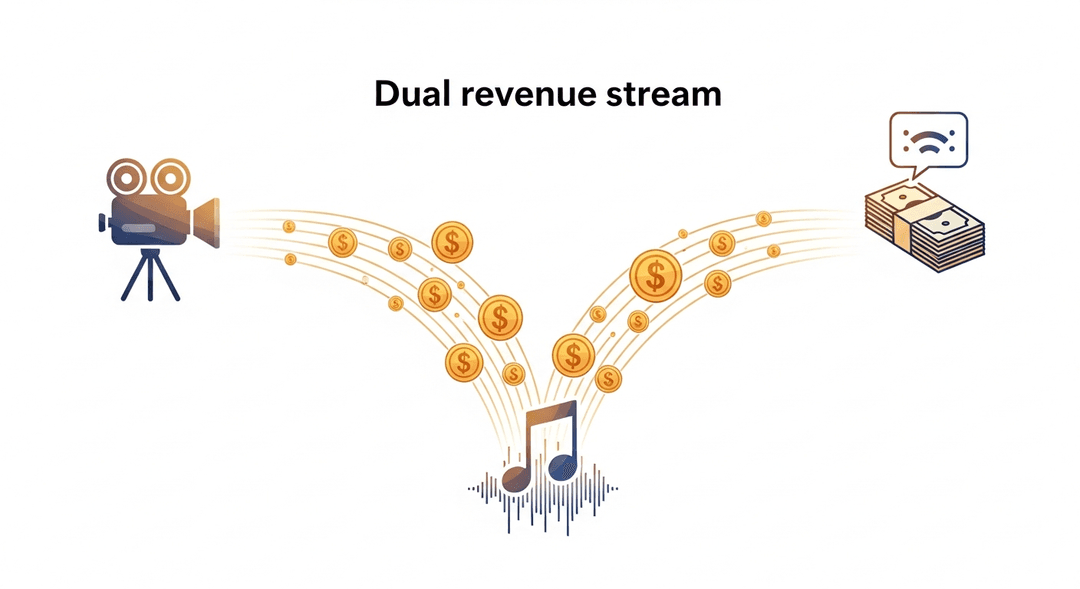
For independent artists, sync licensing offers significant financial benefits. You typically receive an upfront licensing fee for the use of your song, along with ongoing performance royalties each time the content airs or is distributed. This dual revenue stream can provide a stable and often substantial income source, distinct from streaming or touring.
Beyond the financial rewards, sync placements offer unparalleled exposure. A single placement can introduce your music to millions of new listeners globally, helping to build your brand and expand your fanbase. It's a powerful form of organic promotion that can lead to further opportunities and career growth.
The Growing Landscape for Independent Artists
The demand for diverse and authentic music in visual media is at an all-time high. Content creators, from major studios to independent filmmakers, are constantly searching for fresh sounds that resonate with their projects. This trend is creating a more level playing field, making sync licensing for independent artists more accessible than ever before.
Industry reports consistently highlight the increasing importance of sync revenue. According to the IFPI Global Music Report, sync income continues to be a vital component of the global music industry, demonstrating its enduring value. Independent artists, with their unique sounds and creative freedom, are perfectly positioned to capitalize on this demand.
By prioritizing music sync licensing, you're not just hoping for a lucky break; you're actively building a sustainable career path. It’s a strategic move that can diversify your income, expand your reach, and validate your artistic vision.
The Foundation: Preparing Your Music to Be Sync-Ready
Impeccable Metadata: Your Music's Digital Fingerprint
Before any music supervisor can even consider your track, it needs to be easily discoverable and properly attributed. This is where metadata for music licensing becomes absolutely crucial. Think of metadata as your song's digital fingerprint, containing all the essential information about its creation and ownership.
Accurate and comprehensive metadata should include the song title, artist name, composer(s), publisher(s), and all relevant Performance Rights Organization (PRO) affiliations. Don't forget your ISRC (International Standard Recording Code) for the sound recording and ISWC (International Standard Musical Work Code) for the composition. These unique identifiers ensure you get paid when your music is used.
Registering with a Performance Rights Organization (PRO) like BMI, ASCAP, or PRS is a non-negotiable step. PROs collect public performance royalties on your behalf, which are a key component of sync income. You also need a clear understanding of your writer and publishing splits; ensure all collaborators agree and register their percentages accurately to avoid future disputes.
Equally important is understanding the basics of music copyright. For sync licensing, you must have 100% of the rights cleared for both the master recording and the underlying composition. This means securing permissions from all writers, publishers, and master owners. Any uncleared samples or unapproved collaborators can instantly derail a potential sync deal.
Production Quality: Making Your Tracks Shine
Sync-ready music production is paramount. Music supervisors receive thousands of submissions, and they simply don't have time to sift through poorly recorded or mixed tracks. Your music needs to sound professional and polished, as if it could immediately fit into a high-budget production.
This means investing in high-quality recording, mixing, and mastering. Whether you achieve this in a professional studio or through a meticulously crafted home setup, the end result must be sonically competitive. Clarity, balance, and impact are key.
Beyond the main mix, supervisors often require additional versions of your tracks for maximum flexibility. Always prepare and have readily available instrumental versions, 'clean' (lyric-free) versions, and individual stems. Instrumentals are frequently used for background music or underscoring dialogue, while stems allow editors to isolate specific elements like drums or vocals to fit the visual perfectly.
Maximizing Discoverability: Getting Your Music Heard by Supervisors
Building a Professional Online Presence
In the digital age, your online presence is your business card, portfolio, and networking hub all rolled into one. To maximize your chances of getting your music discovered for sync, you need a professional, up-to-date, and easily navigable online presence. This includes a personal website, active profiles on platforms like Soundcloud and Bandcamp, and consistent engagement across relevant social media channels.
Crucially, ensure your contact information is readily accessible and current across all platforms. Music supervisors need to be able to reach you or your representative quickly. Many supervisors also browse specialized sync libraries and platforms where independent artists can submit music directly. Research these platforms and consider where your music best fits.
The Power of an Electronic Press Kit (EPK)
A well-crafted Electronic Press Kit (EPK) is an indispensable tool for any artist, especially when it comes to attracting music supervisors. It serves as a centralized, professional package of all the essential information about you and your music. An EPK makes it easy for supervisors to quickly assess your brand, sound, and professionalism.
For sync opportunities, your EPK should include a concise artist bio, high-resolution photos, direct links to your music (preferably streaming and download options), any notable press mentions, and relevant video content (e.g., music videos, live performance clips). The goal is to provide a comprehensive yet digestible overview that showcases your unique appeal.
If you're looking to streamline this process, TunePact offers a robust professional electronic press kit builder designed specifically for artists. Our platform helps you create a compelling and organized EPK that will impress industry professionals and make your music stand out. Learn more about crafting a compelling Music EPK with our detailed guide.
Crafting the Perfect Pitch: Engaging Music Supervisors Effectively
Research is Your Best Friend
Generic, unsolicited emails are often ignored. To effectively engage music supervisors, research is your best friend. Before you even think about sending an email, thoroughly investigate the supervisor's current projects and their past work. What genres do they typically license? What kind of mood or style do they often seek?
This meticulous research allows you to tailor your pitches to be highly relevant to the supervisor's specific needs. A personalized approach shows that you respect their time and have genuinely considered how your music aligns with their projects. It's about solving their problem, not just pushing your music.
What to Include in a Winning Pitch
When you do craft that email, make it concise and compelling. Start with a brief, personalized introduction that references your research. Include a short artist bio and, most importantly, direct links to relevant tracks – not your entire catalog. Focus on 2-3 songs that perfectly match the project you're referencing.
Clearly state the genre tags and keywords that describe your music. This helps supervisors quickly categorize your sound. Remember, they are looking for specific moods, tempos, and instrumentation. Avoid large attachments; always use streaming links (e.g., private Soundcloud links, a dedicated section on your website, or your EPK).
Best practices also include professional follow-up, but don't overdo it. A single polite follow-up email a week or two later is generally acceptable. Maintaining professional communication at all times is crucial for building lasting relationships in the industry. As music supervisor Ryan Svendsen advises in his pitching tips, specificity and brevity are key to getting heard.
Common pitching mistakes independent artists should avoid include sending generic emails, attaching huge audio files, submitting irrelevant music, or having an unprofessional online presence. Your goal is to make it as easy as possible for a supervisor to say "yes" to your music.
Navigating the Business: Contracts, Royalties, and Long-Term Success
Understanding Sync Agreements and Royalties
Once a music supervisor expresses interest, you'll need to navigate the legal and financial aspects of the deal. Key legal considerations include ensuring all rights are fully cleared for sync licensing, as discussed earlier. Never sign an agreement if you're unsure about the terms; consult with an entertainment lawyer if necessary.
You'll encounter different types of sync agreements. Some might be exclusive, meaning only your track can be used for a particular purpose, while others are non-exclusive. Agreements will also specify the term (how long the license is valid) and the territory (where the music can be used, e.g., worldwide, North America). Understand these terms thoroughly.
Breaking down revenue streams is vital. Sync deals typically involve an upfront licensing fee, which is a one-time payment for the right to use your music. In addition, you'll earn performance royalties (collected by your PRO) and potentially mechanical royalties (for certain types of usage). TunePact helps artists understand these complex income streams.
Post-Placement Management and Growth
After a placement, the work isn't over. It's crucial to have strategies for tracking music royalties and payouts effectively. This involves staying organized with your PRO statements and ensuring all your metadata is correctly submitted for performance income. Consider using TunePact's tools to help manage your catalog and royalty data.
Building lasting relationships with music supervisors, sync agents, and music libraries is key to long-term success. A positive experience with your music and your professionalism can lead to future placements and recommendations. Nurture these connections; they are invaluable assets in your career.
Finally, continuous catalog management and optimization are essential. Regularly review your existing tracks, ensure all metadata is perfect, and consider creating new music specifically with sync in mind. The more high-quality, sync-ready music you have, the more opportunities will come your way. For a comprehensive overview, check out this complete sync licensing checklist for independent artists.
Frequently Asked Questions About Music Sync Licensing
What exactly is 'sync licensing' for music?
Sync licensing, or synchronization licensing, is the legal process of granting permission to use a piece of music in conjunction with visual media. This includes a wide range of productions like films, TV shows, commercials, video games, movie trailers, and podcasts. When your music is "synced" to a visual, a license is required, and artists are compensated for its use.
How much can an independent artist realistically earn from sync licensing?
Earnings from sync licensing vary widely depending on factors like the project's budget, the prominence of the placement, the duration of the usage, and the media type. Upfront fees can range from a few hundred dollars for smaller indie projects to tens of thousands for major films or national commercials. In addition, artists earn performance royalties each time the content airs, which can accumulate significantly over time. It's a potentially lucrative but unpredictable income stream.
Do I need a music publisher or sync agent to get my music licensed?
While not strictly necessary, a music publisher or sync agent can significantly increase your chances of securing placements. They have established relationships with music supervisors and an understanding of the market. However, independent artists can absolutely pursue sync licensing on their own, especially by utilizing online sync libraries, building their network, and following the tips outlined in this guide. Many artists start independently and later partner with an agent as their catalog grows.
What are the most common reasons music supervisors reject submissions?
Music supervisors typically reject submissions for several key reasons: poor audio quality (not "sync-ready"), irrelevant music (doesn't fit the project's brief), incomplete or incorrect metadata, uncleared rights (samples, co-writers not approved), an unprofessional or generic pitch, or simply because they receive too many submissions that don't stand out. Making it easy for them to say yes by being prepared and professional is vital.