NFTs for Musicians: Your Guide to Web3 Music Ownership
The music industry is constantly evolving, and for independent artists, staying ahead of the curve is crucial. We're on the brink of a new digital frontier, one that promises to redefine how music is created, distributed, and owned. Welcome to Web3, where Non-Fungible Tokens (NFTs) are emerging as powerful tools for musicians to take control of their art, engage directly with fans, and unlock unprecedented revenue streams.
If you're an independent artist, producer, or DIY musician curious about how to navigate this exciting new landscape, you've come to the right place. This guide from TunePact will demystify NFTs for musicians, explore the transformative potential of Web3, and show you how to harness these technologies to empower your career.
The Web3 Revolution: A New Era for Independent Musicians
What is Web3 and Why Should Musicians Care?
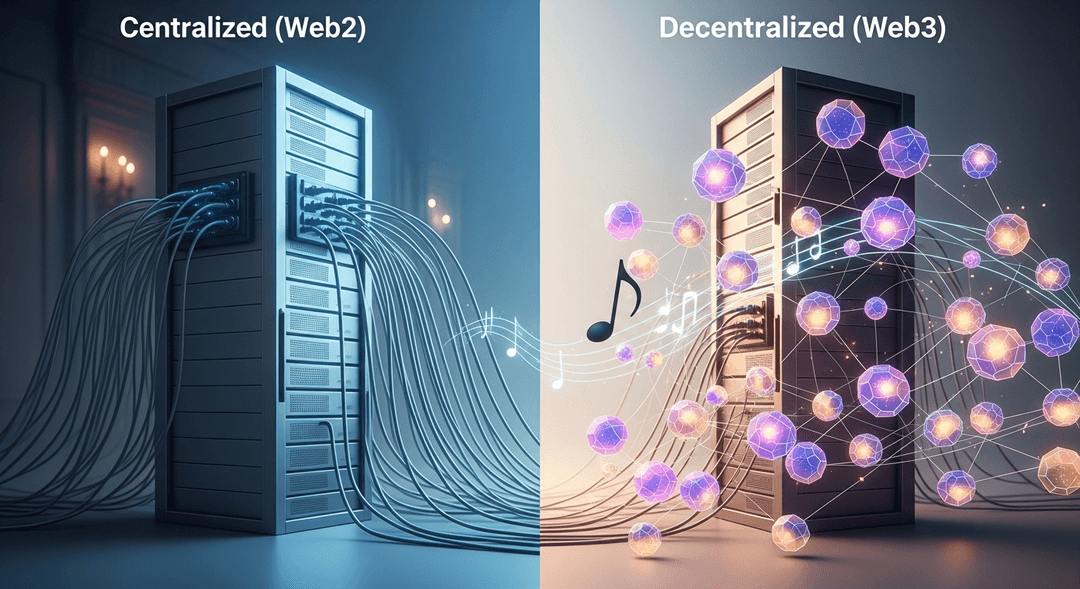
Web3 represents the next iteration of the internet, built on the foundational principles of decentralization, transparency, and user ownership. Unlike the current Web2 landscape, where large corporations often control data and platforms, Web3 leverages blockchain technology to return power to individuals. For musicians, this shift is revolutionary.
Imagine a digital world where you truly own your creations, control how they're distributed, and directly benefit from their value without intermediaries taking a significant cut. That's the promise of Web3. It's about empowering artists with tools to build sustainable careers on their own terms.
From Web2's Limitations to Web3's Promise
For years, independent artists have grappled with the limitations of Web2. Centralized streaming platforms, while offering reach, often provide notoriously low royalties and opaque payment structures. Creative ownership can feel diluted, and direct fan engagement is frequently mediated by algorithms and platform policies.
Web3 offers a compelling alternative. By utilizing blockchain and music NFTs explained, artists can tokenize their music, granting verifiable ownership to fans and creating new avenues for monetization. This innovative approach directly addresses common pain points for independent artists, such as inadequate compensation and a lack of creative control, setting the stage for a more equitable and artist-centric music economy. Even as global recorded music revenues grow, as highlighted by the IFPI Global Music Report 2026, Web3 ensures that a larger slice of that pie can go directly to creators. For a deeper dive into current structures, you can also explore how music streaming works for independent artists today.
Understanding Music NFTs: Beyond the Hype
What Exactly is a Music NFT?
At its core, an NFT (Non-Fungible Token) is a unique digital asset stored on a blockchain that verifies ownership. For musicians, a music NFT can represent anything from a single song or album to exclusive content, artwork, or even a percentage of future royalties. The term "non-fungible" simply means it's one-of-a-kind and cannot be replaced by another identical item – much like a signed vinyl record or a unique piece of art, but in digital form.
When an artist creates a music NFT, they are essentially creating a digital certificate of authenticity and ownership for a specific piece of their work or experience. This certificate is recorded on a blockchain, making it immutable, transparent, and verifiable by anyone.
How Music NFTs Grant Ownership and Rights
Music NFTs come in various forms, offering diverse ways for artists to engage with their audience and monetize their craft:
- Song Ownership: A music NFT can represent direct ownership of a master recording or publishing rights, either wholly or fractionally.
- Royalty Splits: Artists can create NFTs that grant holders a percentage of future streaming or synchronization royalties for a specific track.
- Fan Club Access: NFTs can act as digital passes, unlocking exclusive access to private communities, content, or events.
- Digital Collectibles: Unique digital artwork, unreleased demos, stems, or behind-the-scenes footage can be tokenized as collectibles.
- Unique Experiences: NFTs can grant access to virtual meet-and-greets, private concerts, or even creative input on future projects.
It's crucial to understand that owning a music NFT does not automatically mean owning the copyright to the underlying musical composition or sound recording. The NFT itself is a token representing ownership of a specific digital asset or a set of defined rights (e.g., a share of royalties, access to a community), as specified by the artist when they mint it. Artists retain their intellectual property rights unless explicitly transferred via the NFT's terms. This distinction allows for flexible models where artists can sell unique digital editions while maintaining core copyright control.
Reimagining Music Royalties and Ownership with Blockchain
The Problem with Traditional Music Royalties
For independent musicians, the traditional music industry's royalty system is often a source of frustration. It's a complex, multi-layered process involving numerous intermediaries – record labels, publishers, PROs, distributors, and streaming services – each taking a cut. This often leads to opaque accounting, significant delays in payouts, and an overall lack of transparency that leaves artists feeling disempowered. Tracking your earnings can be a nightmare, and understanding where your money goes is frequently an uphill battle. For more on this, you can check out TunePact's guide on tracking your music royalties.
How Blockchain Ensures Transparency and Fairer Payouts
This is where the concept of music royalties blockchain technology shines. Blockchain provides an immutable, transparent, and verifiable ledger for every transaction. When applied to music royalties, this means every stream, sale, or sync can be recorded on the blockchain, creating a clear and undeniable trail of revenue. Smart contracts – self-executing agreements coded onto the blockchain – can automatically distribute royalties to all rights holders (artists, songwriters, producers, NFT holders) instantaneously and precisely, based on predefined rules.
This eliminates the need for intermediaries, reduces delays, and ensures that artists receive their fair share of revenue with unprecedented transparency. Furthermore, blockchain enables the innovative concept of fractional ownership. Artists can tokenize a percentage of their master recordings or publishing rights as NFTs, allowing fans or investors to own a piece of their music and share in its future success. This not only provides a new funding mechanism but also aligns the interests of artists and their supporters.
Exploring Decentralized Music Platforms
Beyond royalties, Web3 is fostering the rise of decentralized music platforms. These platforms aim to disrupt traditional streaming services by offering artists more control over their content, direct payment models, and a significantly larger share of the revenue. Built on blockchain, these platforms often feature token-based economies, where artists and fans can earn and trade platform tokens, further aligning incentives.
Artists can upload their music, set their own terms, and directly engage with their audience without a gatekeeper. This shift represents a monumental opportunity for independent artists to bypass the traditional industry structure and build a more direct, profitable relationship with their listeners. As Music Business Worldwide highlights, Web3 is an opportunity for extraordinary growth for music rightsholders, expanding avenues for monetization and engagement.
Cultivating Deeper Fan Engagement & New Revenue Streams
Building Exclusive Fan Communities with NFTs
One of the most powerful aspects of NFTs for musicians is their ability to foster authentic, direct connections between artists and their most dedicated fans. NFTs can serve as membership passes to exclusive fan communities, often hosted on platforms like Discord or custom-built Web3 portals. This creates a direct line of communication, eliminating the noise and algorithms of traditional social media.
Within these communities, NFT holders can gain access to a wealth of exclusive content and experiences, including:
- Early access to new music releases, demos, or unreleased tracks.
- Virtual or in-person meet-and-greets and Q&A sessions.
- Behind-the-scenes content, creative process insights, and tutorials.
- Voting rights or governance within an artist's Decentralized Autonomous Organization (DAO), giving fans a say in creative decisions.
- Exclusive merchandise, concert tickets, or VIP upgrades.
This level of direct engagement builds unparalleled loyalty and transforms passive listeners into active participants and stakeholders in an artist's journey. As Forbes reports, musicians are indeed using NFTs to revolutionize fan engagement, creating stronger bonds and more meaningful interactions.
Innovative Ways to Monetize Your Music and Art
Beyond traditional streaming and touring, Web3 music opportunities open up entirely new revenue models for independent artists:
- Direct Sales of Digital Collectibles: Sell unique digital art, animated covers, or rare audio snippets as NFTs.
- Fractional Royalties: Offer a percentage of future song royalties to NFT holders, creating a shared success model.
- Fan Funding: Use NFTs to raise capital for new projects, where supporters receive a tangible, tradable asset in return.
- Token-Gated Experiences: Charge for access to exclusive content or events, with the NFT acting as the ticket.
- Secondary Market Royalties: Program royalties into your NFTs, so you earn a percentage every time your NFT is resold on a secondary marketplace. This creates a continuous income stream from your digital creations.
These innovative approaches empower artists to build and control their brand and community without relying solely on traditional gatekeepers. With platforms like TunePact's all-in-one music marketing platform, artists can integrate Web3 strategies into a comprehensive approach to career growth, leveraging these new tools for maximum impact.
Practical Steps for Independent Artists in the Web3 Music Space
Choosing the Right Music NFT Marketplace
Embarking on your Web3 journey requires careful consideration, starting with where you'll mint and sell your NFTs. The landscape of music NFT marketplaces is growing, each with its own community, fee structure, and blockchain compatibility. Some key criteria to consider when choosing include:
- Community & Niche: Does the marketplace cater to music artists specifically, or is it a general NFT platform? A strong, relevant community can boost visibility.
- Fees: Understand minting fees (gas fees), listing fees, and sales commissions. These can vary significantly.
- Blockchain Compatibility: Most marketplaces operate on specific blockchains (e.g., Ethereum, Polygon, Solana). Choose one that aligns with your goals and audience.
- User Experience: Opt for a platform that is user-friendly and provides good support for artists.
To help you navigate this, TunePact has compiled a guide to the best music NFT marketplaces, offering insights into their features and benefits.
Minting Your First Music NFT
Once you've chosen a marketplace, the process of minting your first music NFT generally follows these steps:
- Set up a Crypto Wallet: You'll need a digital wallet (like MetaMask) to store your cryptocurrency and NFTs.
- Acquire Cryptocurrency: Purchase the native cryptocurrency of your chosen blockchain (e.g., ETH for Ethereum, SOL for Solana) to cover transaction fees (gas fees).
- Prepare Your Asset: Get your music file (audio, video) and any accompanying artwork ready.
- Connect Wallet to Marketplace: Link your crypto wallet to your selected NFT marketplace.
- Upload and Define: Upload your asset, add a title, description, and set the terms of your NFT (e.g., supply, price, royalty percentage on secondary sales).
- Mint: Confirm the transaction, and your NFT will be created on the blockchain.
It's important to research specific platform guidelines as processes can vary slightly.
Navigating the Web3 Ecosystem Safely
The Web3 ecosystem, while promising, requires vigilance. Here are essential considerations for digital security:
- Protect Your Wallet Seed Phrase: This is the master key to your funds and assets. Never share it, store it offline, and keep it safe.
- Understand Gas Fees: These are transaction fees on the blockchain and can fluctuate. Factor them into your pricing strategy.
- Beware of Scams: The crypto space can attract bad actors. Be skeptical of unsolicited offers, fake links, and promises of guaranteed returns.
- Do Your Research (DYOR): Before investing time or money into any project or platform, thoroughly research its legitimacy and community sentiment.
- Engage with the Community: Join artist-focused Web3 communities on platforms like Discord or Twitter. Learning from others and staying informed is crucial.
By taking these practical steps and approaching Web3 with a blend of enthusiasm and caution, independent artists can confidently begin to explore its vast potential.
The Future of Music: Web3 Music Opportunities
The Evolving Landscape of Digital Music
The integration of Web3 technologies is poised to fundamentally reshape the global music industry. We are moving towards an era where digital music is not just consumed but truly owned and valued as a unique asset. This evolution will likely bring greater transparency, equity, and direct connection between artists and their global fan bases. The shift will empower artists to negotiate better terms, innovate with new creative formats, and build sustainable careers without traditional gatekeepers.
What's Next for Artists and Fans?
The future of Web3 music opportunities is incredibly dynamic:
- Rise of Music DAOs: Decentralized Autonomous Organizations (DAOs) are emerging as a new model for collective artist management, funding, and decision-making. Artists and fans can collectively own and govern projects, sharing in the success.
- Interoperability and Metaverses: Imagine your music NFTs or artist tokens being usable across different virtual worlds and platforms. As metaverses develop, NFTs will become critical for identity, access, and commerce within these new digital spaces.
- Enhanced Fan Experiences: Expect even more immersive and personalized fan experiences, from interactive NFT-gated concerts to co-creation opportunities where fans can directly influence an artist's work.
- A More Equitable Economy: The long-term impact points towards a more equitable music economy where artists retain more control and a larger share of the revenue, fostering greater creativity and innovation.
Web3 is not just a technological upgrade; it's a paradigm shift towards a decentralized, artist-first ecosystem. For independent artists, embracing this shift means seizing the opportunity to redefine success, build stronger communities, and secure a more resilient future in the digital age.
Frequently Asked Questions
What are the main benefits of music NFTs for independent artists?
The main benefits include direct monetization, greater control over your music and data, verifiable ownership of digital assets, new revenue streams (like secondary market royalties), and the ability to build deeper, more engaged communities with your most dedicated fans through exclusive access and experiences.
How do music NFTs help artists earn more royalties?
Music NFTs help artists earn more royalties by cutting out intermediaries, using transparent blockchain records and smart contracts for automated payouts, and enabling artists to program a percentage of secondary sales back to themselves. This ensures a larger, more direct, and more transparent share of revenue compared to traditional systems.
Are music NFTs just a passing trend, or are they here to stay?
While the initial hype around NFTs has settled, the underlying technology and its application in music are showing long-term potential. Music NFTs offer fundamental solutions to long-standing problems for artists, such as ownership, transparency, and direct fan engagement. As Web3 infrastructure matures and user adoption grows, music NFTs are evolving into a sustainable and integral part of the digital music economy, far beyond a passing trend.
What's the key difference between Web2 and Web3 for musicians?
The key difference lies in ownership and decentralization. In Web2, musicians operate on centralized platforms (like major streaming services or social media) where platforms own user data and control distribution, often leading to low royalties and limited control. In Web3, powered by blockchain, musicians can directly own their digital assets (via NFTs), control their distribution, receive transparent and direct payments, and build communities without central gatekeepers, fostering a more artist-centric and equitable ecosystem.