
Crafting the Ideal Cold Booking Email for Gigs
As an independent musician, securing live performance opportunities is crucial for growth, fan engagement, and revenue. Yet, the thought of sending cold emails to venues can feel daunting, often leading to generic messages that get lost in crowded inboxes. This guide from TunePact will help you move beyond the basic template and adopt a strategic, business-minded approach to your outreach, ensuring your gig booking efforts yield consistent results.
Learning how to book gigs effectively is a skill that empowers you to take control of your career. By systematizing your approach to outreach and follow-up, you can transform sporadic opportunities into a steady stream of performances, building your audience and your brand one show at a time.
The Foundation: Strategic Research for Independent Artists
Before you even think about drafting an email, a solid foundation of research is paramount. This isn't just about finding venues; it's about understanding the ecosystem you want to enter and positioning yourself for success. Think of this as the first step in your overall independent artist promotion strategy.
Understanding Your Target Venues and Audience Fit
Embrace a business approach to booking, moving beyond generic outreach to targeted, informed pitches. This means thoroughly researching potential venues to understand their capacity, typical genres, and the type of audience they attract. Does your music align with their usual programming? Does your fan base match their demographic?
Detail how to research venues effectively. Look at their online calendars, social media posts, and past event listings. Pay attention to the capacity of the room – are you ready to fill a large venue, or is a more intimate setting a better fit for your current draw? Understanding these factors helps you identify if your music is a good fit for a venue's calendar, increasing your chances of a positive response.
Tools like Bandsintown, Songkick, or even just exploring similar artists' touring schedules can provide invaluable insights. These platforms can show you where artists similar to you are playing, revealing venues that might be a good match for your sound and audience. This proactive approach saves you time and ensures your efforts are directed where they matter most.
Identifying Key Contacts and Optimal Booking Windows
Once you've identified suitable venues, the next step is to find the right person to contact. This is often a booking agent, talent buyer, or venue manager. Look for their names on the venue's website, social media, or even by calling the venue during off-peak hours. Addressing your email to a specific person immediately makes your outreach more personal and less likely to be dismissed.
Understanding optimal booking windows is also critical. Many venues book months in advance, especially for weekend slots. Researching their typical booking lead times can help you time your outreach perfectly. Sending an email too early or too late can mean missing out on opportunities, so align your pitches with their planning cycle.
For more insights on this crucial first step, consider exploring resources like this article on Top Tips for Booking Gigs as an Indie Artist. It offers valuable perspectives from a music promoter on researching venues and crafting compelling pitches.
Crafting Your Irresistible Gig Booking Email Template
Your cold booking email is your first impression. It needs to be clear, concise, and compelling enough to stand out in a busy inbox. This isn't just a generic message; it's a finely tuned piece of independent artist promotion.
Subject Lines That Demand Attention
The subject line is arguably the most important part of your email – it determines whether your message gets opened. Avoid vague or aggressive language. Instead, focus on being clear, concise, and intriguing. Here are some effective examples:
- Booking Inquiry: [Your Artist Name] - [Genre] - [Date/Month Availability]
- [Your Artist Name] - Local [Genre] Artist Seeking [Venue Name] Date
- [Mutual Connection/Reference Name] Referral: Booking Inquiry for [Your Artist Name]
Personalization goes a long way. If you know the booking agent's name, include it in the subject line or the opening greeting. This small detail can significantly increase your open rate.
The Core Message: Brevity, Value, and Personalization
Your email's body should be a masterclass in brevity and impact. Start with a polite, personalized greeting. Immediately state your purpose: you're inquiring about a potential performance date. Introduce yourself and your music genre briefly, highlighting what makes you unique.
What to include: a brief bio (one sentence), your unique selling proposition (why your act is a great fit for *their* venue and *their* audience), and relevant music links. Showcase any social proof you have, such as recent sold-out shows, notable press, or a strong social media following. Keep paragraphs short and easy to scan.
Crucially, demonstrate that you've done your research. Mention a specific event you enjoyed at their venue, an artist you admire who has played there, or how your sound aligns with their typical programming. This shows you're not just spamming a list but genuinely interested in their space.
Essential Attachments and Links for Independent Artist Promotion
Do not attach large files directly to your email. Instead, provide clear links to your music, videos, and most importantly, your Electronic Press Kit (EPK). An EPK is a professional digital package that includes your bio, high-resolution photos, music, videos, press clippings, and contact information. It's an indispensable music business tool for any serious artist.
TunePact offers resources to help you build a professional Electronic Press Kit (EPK) that will impress booking agents and media alike. Ensure your EPK is well-organized, easy to navigate, and showcases your best work. Provide direct links to your best two or three songs on a streaming platform (Spotify, Bandcamp, Soundcloud) and one compelling live performance video.
End with a clear call to action. For example, "Are you currently booking for [specific month]? We would love to be considered for an evening slot." or "Please let me know if you have any available dates in [season] that might fit our sound." Thank them for their time and consideration, and provide your direct contact information.
Beyond the Send Button: Effective Venue Contact Strategy and Follow-Up
Sending a great email is only half the battle. A robust venue contact strategy includes smart follow-up and relationship building, which are key components of successful music industry networking.
Mastering the Art of the Follow-Up
A well-timed follow-up email can be the difference between getting booked and being overlooked. Best practices for follow-up emails involve politeness, brevity, and adding value. If you haven't heard back, wait approximately one week before sending a concise follow-up. Reiterate your interest, briefly mention your unique selling proposition again, and re-include your EPK link.
The content and tone should be respectful, not demanding. Avoid sending multiple follow-ups in quick succession. If you've sent two follow-ups over two to three weeks without a response, it's often best to move on to other venues. Remember, booking agents are busy, and a lack of response isn't always a rejection; it might just mean they're not booking your genre or have no availability.
Building Relationships: Networking Beyond the Email
The best bookings often come from relationships, not just cold emails. Strategies for nurturing relationships with venue owners and booking agents extend beyond the inbox. Attend shows at venues you want to play, introduce yourself to the staff, and be a regular. Support other local artists and make connections within the scene.
The role of in-person networking cannot be overstated. When you meet a booking agent face-to-face, even briefly, your subsequent email carries more weight. Make a positive impression, be authentic, and show genuine interest in their venue and the local music community. This long-term approach solidifies your presence and makes future booking inquiries much warmer.
Scaling Your Gig Booking: From Local Shows to DIY Tours
Once you've mastered local bookings, you can adapt your gig booking email template and strategy to expand your reach. This is where your efforts in how to book gigs truly begin to scale.
Applying the Strategy for Multiple Venues and Markets
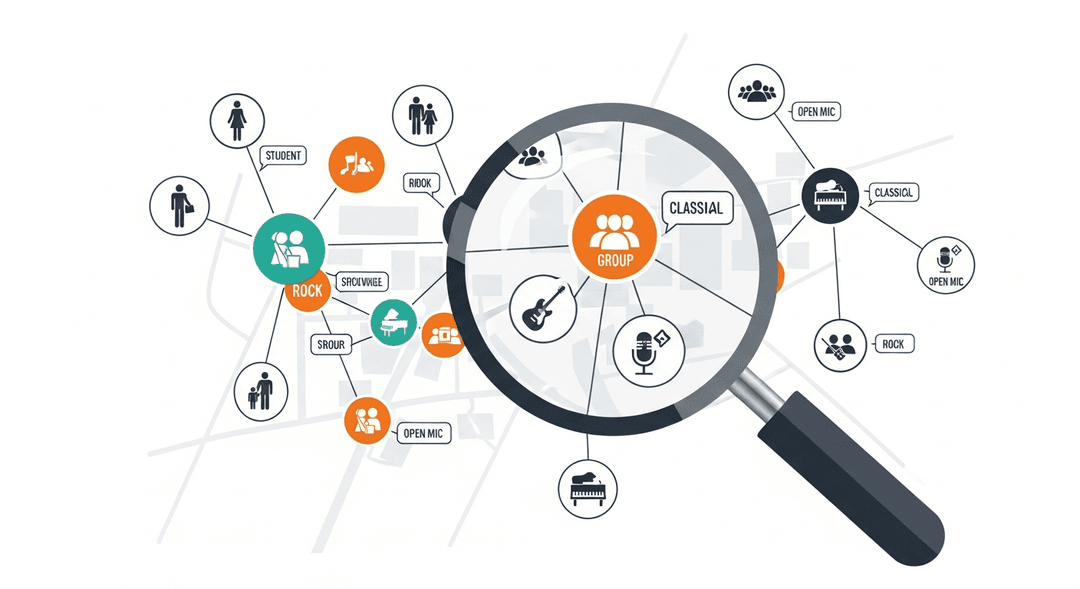
The same strategic approach to cold booking emails can be adapted for booking multiple dates or a mini-tour. When contacting venues in different cities, ensure your research is even more thorough, accounting for regional differences in music scenes and booking practices. Personalize each email to reflect your understanding of that specific market and venue.
Consider grouping your target cities by geographic proximity to optimize travel. Your initial email might express interest in multiple dates within a specific region or a string of dates on a planned route. Be clear about your availability and flexibility, and always provide links to your best work and EPK.
Expert Tips for Profitable Touring as an Independent Artist
Planning logistics and routes for a DIY tour requires meticulous organization. Beyond booking the gigs, you'll need to consider travel, accommodation, gear transport, and managing your time on the road. TunePact offers valuable guidance on how to book a DIY tour, covering essential steps and tips for independent artists.
Financial considerations for touring are critical. Create a detailed budget that accounts for all expenses (fuel, food, lodging, merch production) and projected revenue (ticket sales, merch sales). Strategies for maximizing revenue include promoting pre-sales, selling merchandise effectively, and seeking out opportunities for guaranteed payments or performance fees. For deeper insights, check out our expert tips for profitable touring as an independent artist.
Expanding your reach to new cities involves leveraging your existing network and online presence. Use social media to gauge interest in new markets, connect with local artists who might co-headline or open, and tap into any fan communities you've built online in those areas.
Advanced Strategies for Securing Opening Gigs and Music Industry Networking
Beyond headlining your own shows, securing opening slots can significantly boost your visibility. This requires a slightly different approach to your gig booking email template and music industry networking.
How to Land Opening Gigs with Headliners
Specific approaches for contacting headliners or their booking agents for opening slots often involve a more direct referral or a compelling case for why your act complements theirs. Research the headliner's genre and audience to articulate why you would be a perfect fit. Sometimes, venues will book openers directly, so always check with the venue first.
When reaching out for an opening slot, emphasize your professionalism, your ability to draw a crowd (even a small one), and how your sound enhances the overall show experience. Be concise and provide a direct link to your best music and EPK. TunePact has a dedicated guide on Your Guide to Securing Opening Gigs with Headliners, offering detailed strategies.
Leveraging Your Network for Referrals and Opportunities
The value of collaborations and cross-promotion with other independent artists cannot be overstated. Playing with complementary acts can introduce you to new audiences and open doors to venues you might not access otherwise. Reach out to artists you admire and propose joint shows or tours.
How to ask for and utilize referrals effectively within the music industry: cultivate relationships with other musicians, promoters, and industry professionals. When you have a strong connection, a simple introduction from them to a booking agent can carry immense weight. Always be prepared to follow up professionally and thank your referrer.
Maintaining a professional and positive reputation is vital. The music industry is smaller than it seems, and word travels fast. Be reliable, easy to work with, and always deliver a great performance. Your reputation will become one of your most powerful music business tools for long-term success.
Frequently Asked Questions
How long should I wait for a response before sending a follow-up email?
It's generally recommended to wait about 5-7 business days (one week) before sending a polite follow-up email. Booking agents and venue managers are often inundated with inquiries, and it can take time for them to review submissions. Your first follow-up should be a gentle reminder, not a demanding one.
What information is absolutely essential to include in my first booking email?
Your first booking email absolutely must include: your artist name and genre, a brief and compelling one-sentence bio, a clear statement of what you're inquiring about (e.g., booking a gig for a specific month/season), and direct links to your best music (2-3 tracks), a high-quality live video, and your professional Electronic Press Kit (EPK). Always include a clear call to action and your contact information.
Is it acceptable to book gigs through social media direct messages?
While some smaller, very casual venues or open mic nights might respond to social media DMs, it is generally not considered professional for cold booking inquiries. Booking agents and venue managers prefer formal email communication for tracking and detailed information. Use social media for networking and building hype, but reserve formal booking requests for email.
What should I do if a venue doesn't list a booking contact?
If a venue doesn't list a specific booking contact on their website, try looking for a general "info@" or "contact@" email address. Alternatively, you can call the venue during off-peak hours (e.g., early afternoon on a weekday) and politely ask for the name and email address of their booking manager or talent buyer. Explain that you're an independent artist looking to inquire about playing there. Avoid sending unsolicited emails to generic staff email addresses unless absolutely necessary.