
How to Sell Your Music Online with an Artist Website
In today's dynamic music industry, the power is increasingly shifting into the hands of independent artists. Gone are the days when major labels held all the keys to success. Now, with the right strategies and tools, you can build a thriving music career by selling your music directly to your fans. This guide from TunePact will show you how to go beyond basic platforms and create a profitable direct-to-fan ecosystem, leveraging your own artist website, engaging your fanbase, and utilizing smart monetization tools for sustainable growth.
Setting the Stage: Why Direct-to-Fan Music Sales Matter for Independent Artists
For independent artists, understanding the landscape of music sales is crucial. The industry has undergone a seismic shift, moving away from traditional models where artists relied heavily on record labels and physical distribution. Today, the most powerful path to sustainable income is often through direct engagement with your audience.
The Evolution of Music Sales for Independent Artists
Historically, artists sold music primarily through record stores, with digital sales initially dominated by large platforms. However, the internet has democratized access, paving the way for direct-to-fan (D2F) models. This evolution empowers you to bypass intermediaries, giving you more control and a larger share of your earnings. It’s no longer just about distribution; it's about building a community that directly supports your art.
Key Benefits of a Direct-to-Fan Approach
- Gain full control over your music's pricing, how it's presented, and the valuable data about your fans. This autonomy is essential for long-term career planning.
- Achieve a higher revenue share compared to streaming services or even many third-party digital distributors. When a fan buys directly from you, a significantly larger percentage of that sale goes into your pocket.
- Build a sustainable music career independent of traditional gatekeepers. You become the master of your own destiny, fostering a robust business model that isn't reliant on external approvals.
- Own your audience and sales channels. This means you’re not just renting space on someone else's platform; you're cultivating direct relationships with the people who love your music the most.
- Foster deeper fan relationships by interacting directly, understanding their preferences, and offering exclusive content that strengthens their loyalty.
Your Digital Headquarters: Create an Effective Artist Website
Your artist website is not just an online brochure; it's your central hub for commerce, communication, and community. It's the place where fans can immerse themselves in your world and, most importantly, directly support your music. Building a strong online presence starts here.
Essential Elements of a High-Converting Artist Website
A successful artist website must be both aesthetically pleasing and highly functional. It needs to reflect your unique brand while making it easy for fans to engage and purchase. Think of it as your virtual storefront and fan club rolled into one.
- Design a mobile-first, user-friendly website that beautifully reflects your brand and aesthetic. Most fans will access your site from their phones, so responsiveness is non-negotiable.
- Integrate clear calls-to-action (CTAs) for purchases, email list sign-ups, and social media follows. Guide your visitors on what you want them to do next.
- Feature an embedded music player, high-quality photos, and engaging videos. Let visitors experience your music and visual brand immediately.
- Include an up-to-date tour schedule, a comprehensive biography, and easy-to-find contact information. Transparency builds trust and facilitates connections.
- Ensure secure hosting and a professional domain name (e.g., yourbandname.com). A custom domain lends credibility and makes your site easier to remember.
Choosing the Right E-commerce Tools for Your Music Store
Once your website's foundation is solid, you need to equip it with the right tools to handle sales. There are several excellent options available, catering to different levels of technical expertise and budget. To truly take control of your create your artist website to sell music online, you need an integrated e-commerce solution.
- Explore dedicated artist website builders like Bandzoogle or Squarespace, which often come with built-in e-commerce functionalities tailored for musicians.
- Consider robust e-commerce platforms like Shopify, which offer extensive customization and powerful sales tools, especially if you plan to sell a wide range of merchandise.
- Integrate platforms like Bandcamp directly into your site, if you prefer their specific feature set for digital music sales. This can be a great way to offer a seamless buying experience.
- Whichever you choose, ensure the platform supports digital product delivery, inventory management (for physical goods), and clear sales reporting.
Maximizing Your Revenue: Smart Music Monetization Strategies
Selling music online is about more than just albums; it's about offering a diverse range of products and experiences that cater to every type of fan. By expanding your monetization strategies, you can significantly increase your average transaction value and overall income.
Beyond Singles: Digital Products for Every Fan
Your digital offerings should go far beyond basic MP3s. Think creatively about what your audience values and how you can package your artistry in various forms. This diversified approach helps capture sales from casual listeners to die-hard supporters.
- Offer a diverse range of digital products: singles, EPs, full albums, but also instrumental versions, stems for producers, sample packs for creators, or even sheet music for musicians.
- Develop exclusive digital content like bonus tracks, unreleased demos, behind-the-scenes footage from recording sessions, or high-resolution audio files. These add significant value for dedicated fans.
- Consider offering digital bundles that combine various tracks, albums, or exclusive content at a special price. This encourages larger purchases.
- Utilize limited-time offers or pre-order campaigns for digital releases to create urgency and excitement around new music.
Unlock Value with Merchandise, Bundles, and Experiences
Physical products and unique experiences create tangible connections with your fans and often command higher price points. These offerings allow your fans to showcase their support and feel a deeper connection to your brand.
- Design compelling music merchandise such as branded t-shirts, hoodies, vinyl records, posters, stickers, or even custom accessories that resonate with your brand and aesthetic. Learn how to design compelling music merch bundles that truly stand out.
- Create strategic bundles that combine digital and physical products, music with merch, or even VIP experiences with exclusive items. Bundles increase the average order value and offer perceived greater value to the fan.
- Consider premium offerings like fan club subscriptions, personalized video messages, virtual meet-and-greets, or even private online concerts. These high-value experiences cater to your most dedicated supporters.
- Offer limited edition items, signed merchandise, or numbered prints to create exclusivity and drive immediate purchases.
Seamless Transactions: Setting Up Your Direct Sales Infrastructure
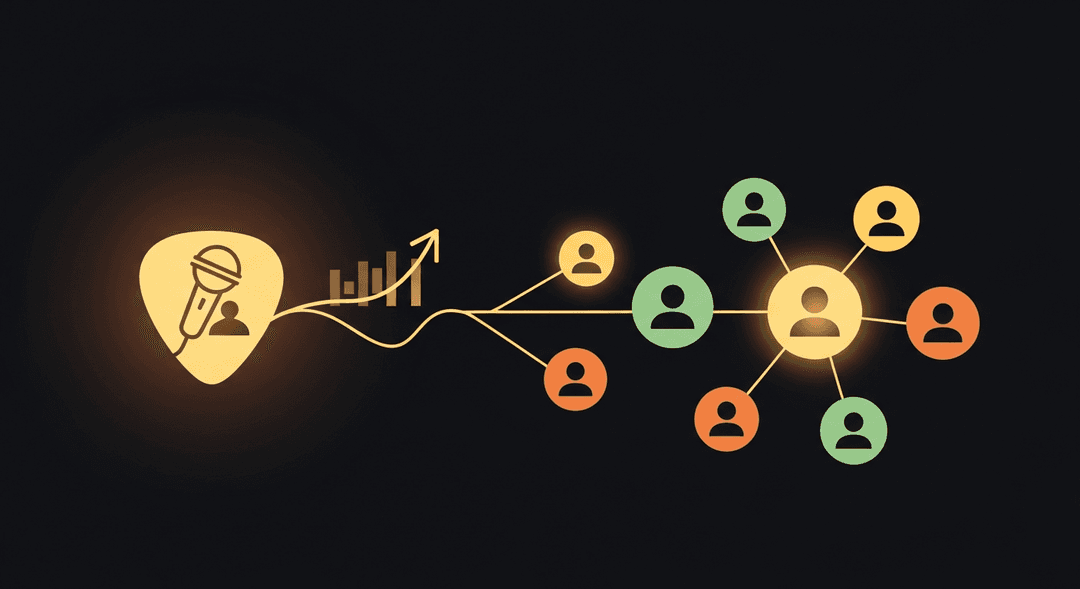
A professional and trustworthy sales process is paramount for encouraging purchases and ensuring fan satisfaction. From payment processing to product delivery, every step should be smooth and reliable.
Integrating Secure Payment Gateways
Your fans need to feel confident that their transactions are secure and convenient. Offering multiple payment options can also reduce friction and increase conversion rates.
- Set up reliable and secure payment gateways such as PayPal, Stripe, Square, or others popular in your region. These platforms handle the financial details securely.
- Ensure your website supports various payment methods, including major credit cards, digital wallets, and potentially local payment solutions.
- Clearly communicate your pricing, shipping costs, and return policies on your website to avoid surprises and build trust.
- Understand and manage sales tax obligations for both digital and physical products. This varies by location and can be complex, so consider consulting with an accountant or using e-commerce tools that assist with tax calculations.
Streamlining Order Fulfillment and Customer Service
The post-purchase experience is just as important as the sale itself. Efficient fulfillment and responsive customer service turn one-time buyers into loyal, repeat customers.
- Automate digital product delivery for immediate access post-purchase. This provides instant gratification and reduces customer service inquiries.
- Establish efficient processes for physical product shipping, including choosing reliable carriers, tracking shipments, and managing inventory. Consider using third-party fulfillment services if your volume grows.
- Implement a system for inventory management to avoid overselling and accurately track your stock levels.
- Provide excellent customer service, including clear communication about order status, prompt responses to inquiries, and a fair policy for returns or exchanges. This builds trust and encourages repeat purchases and positive word-of-mouth.
Amplify Your Reach: Promote Your Music Online and Drive Sales
Having a fantastic artist website and a range of products is only half the battle. You need to actively promote your music and direct fans to your sales channels. This involves a multi-faceted marketing approach that builds an audience and converts interest into sales.
Building Your Owned Audience: Email and SMS Marketing
While social media is great for reach, your owned channels—like email and SMS—are invaluable for direct, high-conversion communication. These platforms allow you to speak directly to your most engaged fans without algorithms getting in the way.
- Implement a robust email marketing strategy to nurture leads, announce new releases, promote merchandise, and share exclusive content. Build your email list from day one.
- Create compelling email campaigns that tell your story, offer special discounts, and drive traffic directly to your website's store.
- Explore SMS marketing for direct, high-engagement communication with your super fans. This channel offers incredibly high open rates and immediate attention. A comprehensive guide on Email and SMS Marketing for Musicians can provide practical tactics for building and monetizing your audience through these owned channels.
- Segment your audience to send targeted messages, ensuring your communications are relevant to different fan groups.
Leveraging Social Media, Ads, and Fan Engagement
Social media platforms are powerful tools for discovery and community building. Use them strategically to funnel traffic to your direct sales channels and foster a loyal fanbase.
- Develop a comprehensive social media content strategy that showcases your music, personality, and behind-the-scenes glimpses. Always include clear links or CTAs driving traffic to your artist website.
- Utilize paid advertising on social media platforms (Facebook/Instagram Ads, TikTok Ads) and search engines (Google Ads) for targeted reach and retargeting campaigns. Focus on audiences likely to purchase your music or merch.
- Engage authentically with your community, respond to comments, encourage user-generated content, and foster a sense of belonging. Your fans are your biggest advocates.
- Highlight platforms that support direct fan contributions and monetization. Even major streaming services are evolving; for instance, learn more about Spotify Fan Support and Monetization Tools to understand how you can encourage direct financial contributions.
- Collaborate with other artists or influencers to expand your reach to new, relevant audiences.
- For a deeper dive into overall promotional tactics, check out TunePact's blueprint for modern music marketing success. Remember, TunePact offers an all-in-one music marketing platform designed to help independent artists streamline these efforts.
Frequently Asked Questions
How do independent artists make money selling music directly to fans?
Independent artists make money by selling a variety of products directly through their own artist website. This includes digital music (singles, albums, EPs, stems, sample packs), physical merchandise (vinyl, CDs, apparel), and unique experiences (fan club memberships, personalized messages, virtual concerts). By selling directly, artists retain a much larger percentage of the revenue compared to streaming services or third-party platforms, as there are fewer intermediaries taking a cut.
What is the best platform for independent artists to sell music from their own website?
The "best" platform often depends on an artist's specific needs and technical comfort. Many independent artists use dedicated artist website builders like Bandzoogle or Squarespace, which offer integrated music players and e-commerce tools. For more robust merchandise sales, platforms like Shopify can be integrated into a website. Some artists also use services like Bandcamp for their digital storefront, which can be linked or embedded into their primary website. The key is to choose a platform that allows for seamless integration with your artist website, secure payment processing, and efficient product delivery.
How can I effectively promote my music sales website?
Promoting your music sales website involves a multi-channel approach. Key strategies include building a strong email list and using SMS marketing for direct communication and exclusive offers. Leverage social media platforms to share engaging content, drive traffic with clear calls-to-action, and run targeted paid ad campaigns. Engaging with your community, collaborating with other artists, and providing valuable, shareable content are also crucial for organic growth and driving fans to your direct sales hub.
Is selling music directly from my own website more profitable than streaming?
Generally, yes, selling music directly from your own website is significantly more profitable per sale than streaming. While streaming provides exposure and royalties, the per-stream payout is very low, often fractions of a cent. When a fan purchases an album or merchandise directly from your website, you retain a much larger portion of the sale (after payment processing fees), often 80-100%, compared to the very small percentage from streaming royalties. Direct sales allow you to set your own prices and offer higher-value items, contributing much more substantially to your income.