
7 Steps for Crafting Your Album Launch Press Release
In today's crowded digital music landscape, simply releasing new music isn't enough to stand out. As an independent artist, you need a robust strategy to grab attention, and a professionally crafted press release remains a powerful, often underestimated, tool in your arsenal. It’s your official announcement to the world, a direct line to media outlets, and a critical component of your marketing plan. This guide from TunePact will walk you through how to write a music press release that cuts through the noise, even on a budget.
Why a Music Press Release is Still Crucial for Independent Artists
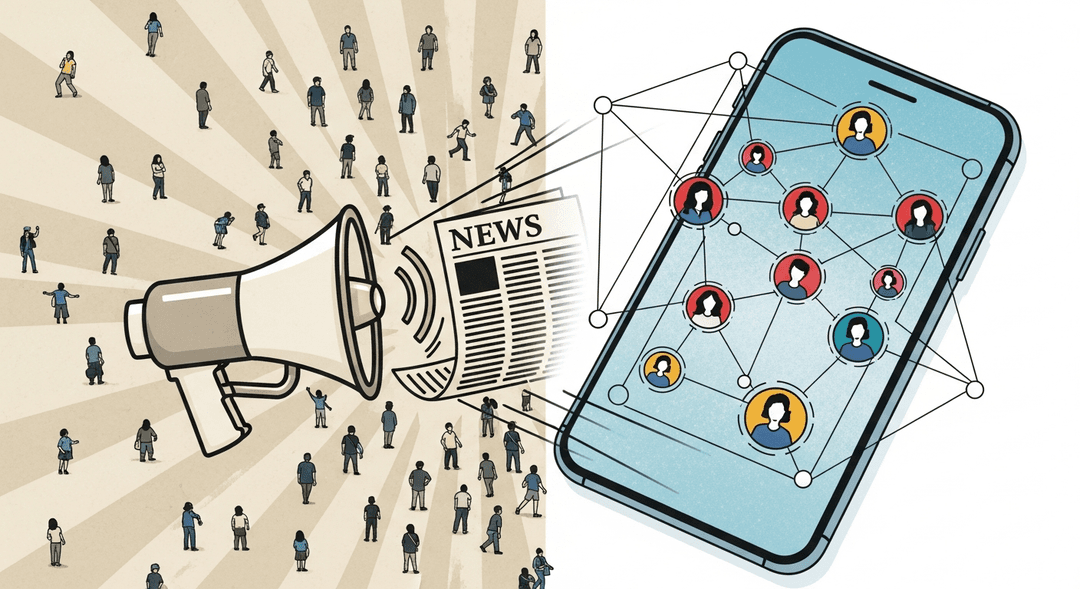
Many independent artists pour all their promotional efforts into social media, and while platforms like Instagram and TikTok are vital, they have limitations. Algorithms can be fickle, and your message might only reach your existing followers. A well-executed music press release, on the other hand, offers a different kind of reach and credibility.
The Power of Traditional PR vs. Social Media
A press release serves as an official document, signaling to journalists, bloggers, and industry professionals that your album launch is newsworthy. It expands your reach beyond your immediate social media bubble, tapping into established media channels that can introduce your music to entirely new audiences. Think of it as a formal invitation to the press to cover your story, offering a level of professionalism that social media posts often lack.
Press releases are designed to inform, not just promote. They build a foundation of legitimacy and authority around your project, helping to establish your brand and artistry in a more lasting way. While social media offers instant gratification, a strategic press release contributes to your long-term career trajectory, fostering a perception of seriousness and commitment to your craft.
Setting the Right Tone: Informative Not Promotional
The key to an effective press release is understanding its purpose: to provide newsworthy information in an objective, factual manner. Unlike a social media caption or an ad, a press release is not a direct sales pitch. It's about presenting your album, its story, and its significance in a way that makes a journalist want to learn more and share it with their readers.
By focusing on the "what," "who," "when," "where," and "why" of your album, you create content that media outlets can readily use. This approach helps build credibility and positions you as a serious artist, which is essential for developing your essential artist branding strategies. A well-written press release is an investment in your artistic narrative, laying the groundwork for future media relationships and opportunities.
Pre-Release Prep: What to Know Before You Write Your Music Press Release
Before you even type a single word of your press release, significant groundwork needs to be laid. A successful press release isn't just about the writing; it's about having a compelling story and all the necessary assets ready to go. This preparation phase is crucial for ensuring your release has the impact you desire.
Defining Your Album's Unique Story and Angle
What makes your new album special? What's the core message, inspiration, or unique sonic journey it offers? Before you can convince anyone else, you need to be crystal clear on this yourself. Identify the "why" behind your music – whether it's a personal narrative, a thematic exploration, or a unique collaboration. This unique angle will be the hook for journalists and the foundation of your press release.
Consider your target audience and the specific media outlets you hope to reach. Is your music best suited for indie rock blogs, electronic music magazines, or local news outlets? Understanding who you're trying to reach will help you tailor your story and language accordingly. A compelling narrative transforms your album from just another release into a captivating story worth sharing.
Gathering Your Assets for an Album Launch Media Kit
A press release is rarely sent in isolation. It should be accompanied by or link to a comprehensive media kit, often referred to as an Electronic Press Kit (EPK). This collection of assets provides journalists with everything they need to cover your story efficiently. Having these materials prepared in advance saves time and demonstrates your professionalism.
Your media kit should include:
- High-resolution promotional photos: Professional shots that capture your artistic identity.
- Artist biography: A concise yet compelling overview of your musical journey, achievements, and style.
- Album artwork: High-quality images of your cover art.
- Streaming links: Private or public links to your new music (e.g., SoundCloud, Bandcamp, Spotify).
- Music video links: If applicable, links to any official music videos or visualizers.
- Previous press mentions: Links to any past articles, reviews, or interviews.
- Contact information: Clear details for media inquiries.
Many artists find it helpful to create a downloadable Electronic Press Kit (EPK) that consolidates all these elements in one easily accessible place. Ensuring all your assets are polished and ready before you start writing your press release is a critical step in your essential music release checklist. It ensures a smooth and professional outreach process.
The 7 Steps to Crafting Your Standout Music Press Release
Now that your pre-release preparations are complete, it's time to dive into the art of writing the press release itself. Each element plays a crucial role in capturing attention and conveying your message effectively. Follow these 7 steps to create a compelling press release that truly stands out.
1. Crafting an Irresistible Headline and Dateline
Your headline is your first and often only chance to grab a journalist's attention. It needs to be concise, compelling, and immediately convey the most important news. Think like a newspaper editor: what's the most exciting, newsworthy aspect of your album launch? Use strong verbs and intriguing language.
Example: Indie Artist [Your Name] Unleashes Genre-Bending Sophomore Album, "[Album Title]," Exploring Themes of [Theme]
Immediately below the headline, include a dateline. This tells media outlets where and when the news originated. Format it as: [CITY, STATE] – [Date].
Example: LOS ANGELES, CA – October 26, 2023
2. The Essential Body: What to Include for Media Impact
The body of your press release follows a standard structure designed for clarity and impact. This is where you elaborate on your news, providing journalists with all the necessary details.
Step 3: Develop a Strong Lead Paragraph (Who, What, When, Where, Why, How)
The first paragraph, known as the lead, is arguably the most important after the headline. It should summarize the entire story, answering the "who, what, when, where, why, and how" in 2-3 sentences. Get straight to the point and deliver the core message immediately.
Example: Independent folk-pop artist, Jane Doe, is set to captivate listeners with the release of her highly anticipated debut album, "Echoes in the Valley," on November 17, 2023. Available on all major streaming platforms, the album was recorded at [Studio Name] and delves deep into themes of resilience and self-discovery, showcasing Doe's ethereal vocals and intricate storytelling.
Step 4: Elaborate on the Album's Details, Inspiration, and Unique Selling Points
The subsequent paragraphs expand on the lead, providing more context and detail. Discuss the album's sound, instrumentation, and overall vibe. What inspired the music? Are there any notable collaborators or producers? Highlight what makes this album unique and why it's relevant to a broader audience.
This is where you can paint a vivid picture of the album's artistic vision and emotional depth. Avoid overly technical jargon and focus on conveying the experience of the music. For more expert advice on crafting your message, consider resources like ICMP London's Advice on Writing a Music Press Release, which emphasizes conciseness and strong visuals.
Step 5: Incorporate Impactful Quotes from the Artist, Producer, or Collaborators
Quotes add a human element and personality to your press release. Include insightful quotes from yourself (the artist), your producer, or any significant collaborators. These quotes should offer personal perspective, reveal creative intent, or express excitement about the release. They allow journalists to capture your voice without direct interview.
Example Artist Quote: "This album is a journey through my most vulnerable moments, a true reflection of growth and healing," shares Doe. "I hope listeners find a piece of their own story within these melodies."
3. Your Boilerplate: Who You Are, The All-Important Call to Action
Step 6: Create a Concise Boilerplate (Artist Bio) That Summarizes Your Identity
Towards the end of your press release, include a brief "boilerplate" paragraph about yourself or your band. This is a standard, concise bio that quickly summarizes who you are, your musical style, and any significant accolades or achievements. It should be consistent across all your press materials.
Example Boilerplate: [Your Name/Band Name] is an independent [Genre] artist known for [distinctive qualities, e.g., "haunting melodies and poignant lyrics"]. Hailing from [Location], [he/she/they] has garnered attention for [notable achievements, e.g., "viral single 'X' and performances at festival 'Y'] and continues to push boundaries within the [Genre] scene.
Step 7: Provide Clear Media Contact Information and a Call to Action
Finally, make it easy for journalists to contact you and access your music. Include clear media contact information (name, email, phone number). Below this, provide a strong, clear call to action (CTA) that directs readers to where they can listen to, purchase, or learn more about your music.
Example Contact Info:
###
Media Contact:
[Your Name/PR Contact Name]
[Your Email Address]
[Your Phone Number (Optional)]
Example Call to Action:
Listen to "Echoes in the Valley" now on Spotify, Apple Music, and all major streaming platforms. For more information, visit yourwebsite.com.
Getting Your Music Press Release Noticed: Music PR Tips for Indie Artists
Writing an excellent press release is only half the battle. The other, equally crucial half is getting it into the right hands. As an independent artist, you might not have a massive PR budget, but smart strategies can still yield significant results. These music PR tips for indie artists will help you maximize your outreach.
Identifying Your Target Media and Building Relationships
Don't just blast your press release to every email address you can find. Research is key. Identify specific music blogs, online magazines, local newspapers, radio stations, and podcasts that cover your genre or artists similar to you. Look for journalists or writers who have previously reviewed similar music or shown interest in your niche. Spotify for Artists offers insights into identifying press targets, researching outlets, and pitching effectively, emphasizing the importance of being genuine and respectful of journalists' time.
Building genuine relationships with media contacts is a long-game strategy. Start by engaging with their content, commenting on articles, and sharing their work on your social media. When you do pitch, they'll be more likely to recognize your name and consider your submission.
Effective Pitching Strategies for Getting Press for Independent Music
Your email pitch, which accompanies your press release, is vital. It should be concise, personalized, and highlight the most compelling aspects of your release. Avoid generic templates. Address the journalist by name and reference specific articles they've written or artists they've covered to show you've done your homework.
Your pitch email should include:
- A personalized subject line (e.g., "For your consideration: [Artist Name] new album '[Album Title]'")
- A brief, engaging introduction
- A link to your press release (ideally as a web page or PDF, not just pasted into the email)
- A private streaming link to your music (e.g., SoundCloud private link)
- A link to your EPK/media kit
- A polite closing with a clear call to action (e.g., "Let me know if you'd like to schedule an interview")
Remember to follow up politely if you don't hear back, but avoid being overly persistent or demanding. A single, well-timed follow-up email after about a week is generally appropriate.
Leveraging Tools to Build Music Industry Contacts for Press
For independent artists, finding the right media contacts can be challenging. While traditional PR firms offer extensive networks, they can be costly. If you're wondering how independent musicians can find the best music PR firm, it's worth noting that many indie artists start with DIY approaches before investing in professional help.
Platforms like TunePact are designed to empower independent artists with smart tools for promotion. Our AI music marketing platform can help you identify relevant media outlets and influencers, streamline your outreach, and analyze your campaign's effectiveness. These tools can be invaluable for building your network of music industry contacts for press, allowing you to reach a wider audience more efficiently and effectively.
Frequently Asked Questions About Music Press Releases
What's the ideal length for a music press release?
A music press release should be concise and to the point. Ideally, it should be no more than one to two pages long, or roughly 400-600 words. Journalists are busy, so get straight to the most newsworthy information in a clear and digestible format. The key is to provide all essential details without unnecessary fluff.
Do independent artists need a press release if they use social media?
Absolutely, yes. While social media is crucial for direct fan engagement, a press release serves a different, more formal purpose. It's an official announcement that lends credibility to your project and targets media outlets specifically. Press releases help you break through social media algorithms and reach a broader, more professional audience that might not otherwise discover your music.
What should be included in a music press kit?
A comprehensive music press kit (also known as an EPK) should contain everything a journalist needs to cover your story. This includes high-resolution photos, your artist biography, album artwork, streaming links to your music, any music video links, previous press mentions, and clear media contact information. Having a well-organized downloadable Electronic Press Kit (EPK) makes it easy for media to access your assets.
How can indie artists get their press release to journalists?
Indie artists can distribute their press release by first researching and identifying target media outlets relevant to their genre and music. Then, craft a personalized email pitch that includes your press release (often linked as a PDF or web page), a private streaming link to your music, and your EPK. Tools like TunePact's AI platform can also assist in identifying contacts and streamlining this outreach process. Remember to follow up politely after about a week if you don't hear back.