9 Steps to Managing Your Own Music Publicity and Finding a PR Firm
In today's dynamic music industry, the power is increasingly shifting into the hands of independent artists. Gone are the days when major labels and PR firms were the sole gatekeepers to an audience. Now, with the right strategies and tools, you can build significant buzz around your music yourself. This comprehensive guide from TunePact will walk you through nine essential steps to master your own music publicity, paving the way for sustained growth and recognition.
Empowering Independent Artists: The Power of Your DIY Music PR Strategy
The music landscape has undergone a dramatic transformation. What was once a heavily gate-kept industry now offers unprecedented opportunities for artists to connect directly with fans and media. Understanding this shift is the first step toward taking control of your career.
The Evolving Landscape: Why You Don't Always Need a Firm
For decades, securing media coverage and reaching a broad audience felt impossible without a major label or a well-connected publicist. However, the rise of digital platforms, social media, and independent distribution has democratized access. Artists no longer need permission to share their creations with the world.
This accessibility means that while PR firms still play a vital role for many, you now have the power to create your own narrative and reach your audience directly. As highlighted by Music Business Worldwide, the industry is increasingly focused on providing artists with powerful marketing tools. This evolution makes a strong DIY music PR strategy not just possible, but essential for independent success.
What is Music PR and Why It Matters for Your Career?
Music PR, or public relations, is the strategic communication process of shaping and sharing your artist story with the public and media. It's about generating positive media attention for your releases, tours, and overall brand. This attention can come in many forms, from interviews and album reviews to playlist placements and feature articles.
While often mistaken for "free advertising," PR requires significant investment in time, effort, and resources. It's about earning credibility and trust through compelling storytelling, rather than paying for direct exposure. Effective PR builds your reputation, expands your reach, and ultimately drives fan engagement and career growth. This guide will provide a comprehensive blueprint for how independent artists can secure their own publicity and thrive.
Laying the Foundation: Steps 1-3 for Your Artist Publicity Guide
Before you even think about pitching, you need a solid foundation. These initial steps are crucial for defining your brand and preparing your essential tools.
1. Defining Your Unique Artist Story and Goals
Every artist has a unique story, and yours is your most powerful PR asset. Take time to articulate your unique selling proposition (USP). What makes your music, your message, or your journey stand out? Think about your genre, your influences, your core message, and your brand identity. This clarity will inform all your communication.
Equally important are your PR goals. Are you aiming for an album review, a feature in a specific blog, or increased Spotify streams? Set clear, measurable, and realistic objectives. For example, "Secure 3 blog features for my upcoming single" is a much stronger goal than "Get more press."
2. Building Your Professional Electronic Press Kit (EPK for Musicians)
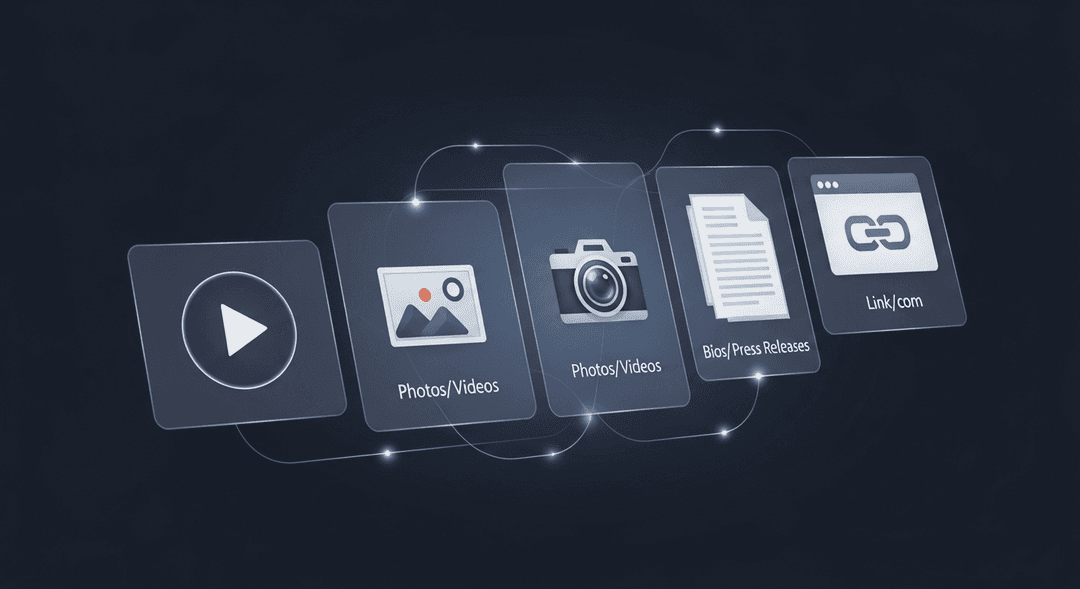
An Electronic Press Kit, or EPK, is your professional resume for the music industry. It's a critical tool that provides media, bookers, and industry professionals with everything they need to know about you in one organized package. A well-crafted EPK is non-negotiable for any aspiring artist.
Your EPK should include:
- High-resolution photos: Professional, diverse options.
- Compelling bio: A short, medium, and long version telling your story.
- Music links: Streaming, download, and embed codes for your best tracks.
- Video content: Music videos, live performance clips, interviews.
- Press clippings: Any past features, reviews, or interviews.
- Contact information: Clear and easy-to-find details.
- Social media links: Your active platforms.
High-quality assets are paramount. A sloppy EPK can instantly undermine your credibility. To learn more about what an Electronic Press Kit (EPK) is and how it can open doors, check out our detailed guide. You can also utilize TunePact's free EPK builder to create a stunning, professional EPK with ease.
For more essential advice on preparing an effective EPK and other crucial elements, Youth Music provides essential PR tips for independent artists.
3. Identifying Your Target Media and Audiences
Not every blog, radio station, or journalist is right for your music. Effective PR is about precision, not volume. Start by understanding your ideal listener: their age, interests, and the media they consume. Then, research outlets that cater to this audience.
Look for blogs, podcasts, local radio stations, and online publications that cover your genre or artists similar to you. Create a targeted list, noting down contact details, preferred submission methods, and past coverage. This diligent research is foundational to any successful artist publicity guide.
Executing Your Outreach: Steps 4-6 for How to Get Music Media Coverage
With your foundation laid, it's time to actively reach out. These steps focus on effective communication and leveraging your online presence.
4. Crafting Compelling Pitches and Press Releases
A great pitch is concise, personalized, and highlights why your story is relevant to the recipient's audience. Avoid generic templates. Start with a catchy subject line, address the person by name, and get straight to the point.
Your pitch should include:
- A compelling hook: Why should they care about your music NOW?
- A brief introduction to your project (single, album, tour).
- A link to your EPK and private stream/download link (if applicable).
- A clear call to action: What do you want them to do? (e.g., "Would you be interested in reviewing the track?")
Press releases are used for significant announcements (e.g., album release, major tour, signing). They provide a formal, factual overview. While not every pitch requires a full press release, knowing how to write one is a valuable skill for PR tips for independent artists. Always tailor your communication to the specific outlet.
5. Mastering Strategic Follow-Up Without Being Annoying
The follow-up is where many DIY PR efforts fall short. Journalists and bloggers are inundated with emails, so a single pitch often gets lost. However, too many follow-ups can be counterproductive.
Best practices for following up:
- Timing: Wait 5-7 business days after your initial pitch.
- Brevity: Keep follow-up emails extremely short and to the point.
- Value: Add a new piece of information if possible (e.g., "Just wanted to let you know the track is now live on Spotify!").
- Politeness: Always maintain a respectful and understanding tone.
- Persistence: A maximum of two follow-ups is usually appropriate. If you don't hear back after that, move on.
Remember, the goal is to gently remind them, not to demand attention. Understanding what journalists look for in a story is crucial, and Spotify for Artists offers valuable insights into attracting press attention, guiding artists on identifying press targets, and polishing their pitch.
6. Leveraging Social Media for Maximum Music Promotion
Social media is more than just a place to post selfies; it's a powerful extension of your PR efforts. Integrate your social channels into your music promotion tips independent strategy to amplify reach and engage your fanbase. Use platforms like Instagram, TikTok, Twitter, and Facebook to share behind-the-scenes content, announce releases, and drive traffic to your music and EPK.
Beyond sharing your own news, engage with relevant media outlets and influencers on social media. Tag them in your posts, comment thoughtfully on their content, and build genuine connections. This can sometimes open doors for coverage that traditional email pitches might not. For more in-depth advice, explore 9 smart strategies to promote your music on social media.
Sustaining Momentum: Steps 7-9 for Long-Term Music Marketing
PR isn't a one-off event; it's an ongoing process. These steps focus on building sustainable relationships and continuously refining your approach.
7. Building and Nurturing Industry Relationships
The music industry runs on relationships. Beyond sending pitches, make an effort to genuinely connect with journalists, bloggers, radio hosts, other artists, and industry professionals. Attend local music events, engage on social media, and offer support to your peers.
A positive long-term relationship with a media contact is far more valuable than a single piece of coverage. These connections can lead to repeat features, introductions to other influential people, and invaluable advice. Think of networking as an investment in your future music marketing for indies.
8. Tracking Your Success and Learning from Data
How do you know if your PR efforts are working? You track them! Use tools like Google Analytics for website traffic, Spotify for Artists for streaming data, and social media insights to monitor engagement. Keep a spreadsheet of all your pitches, follow-ups, and the resulting coverage.
Analyzing this data helps you understand what resonates with your audience and which outlets are most responsive. Did a particular pitch subject line perform better? Did coverage in one blog lead to a spike in streams? Use these insights to refine your DIY music PR strategy for future campaigns. This iterative process of learning and adapting is key to long-term success.
9. The Importance of Consistent Music Releases
In today's streaming economy, consistency is king. Regular music releases provide continuous opportunities for PR, fan engagement, and algorithm boosts. Each new single, EP, or album gives you a fresh reason to reach out to media, run new campaigns, and keep your audience interested.
A consistent release schedule demonstrates your dedication and professionalism, signaling to both fans and industry professionals that you are a serious artist. New music acts as the engine for your ongoing PR machine, providing fresh angles and compelling narratives. For a more holistic view of sustained growth, check out TunePact's comprehensive blueprint for modern music marketing success.
Beyond DIY: When to Consider a Music PR Firm & How to Choose One
While DIY PR is incredibly empowering, there comes a point for many artists when professional help becomes a strategic advantage.
Recognizing When Professional Help is Needed
There are several indicators that it might be time to invest in a music PR firm:
- Budget: You have a dedicated budget for PR and marketing.
- Time Constraints: Your career demands are growing, and you no longer have the time to dedicate to extensive outreach.
- Major Release: You have a significant album or project that requires a broader, more coordinated campaign than you can manage solo.
- Specific Goals: You need to reach a highly specialized audience or secure coverage in top-tier publications that are difficult to access without established relationships.
A good PR firm brings established connections, industry knowledge, and the bandwidth to execute large-scale campaigns. They can often secure opportunities that are out of reach for individual artists, significantly amplifying your how to get music media coverage efforts.
Key Factors for Vetting and Selecting a PR Partner
Choosing the right PR firm is a critical decision. Do your homework thoroughly:
- Specialization: Does the firm specialize in your genre or target audience?
- Track Record: Ask for case studies and client testimonials. Who have they worked with, and what results did they achieve?
- Reputation: Research their reputation within the industry.
- Personal Connection: Do you feel a genuine connection with the team? Trust and communication are vital.
- Realistic Expectations: Be wary of firms promising guaranteed placements. A good firm sells strategy and effort, not unrealistic results.
- Contract Terms: Understand the contract duration, deliverables, reporting structure, and payment terms before committing. Ask about their communication style and how they report progress.
Interview multiple firms and compare their approaches, fees, and proposed strategies. This due diligence ensures you select a partner that aligns with your goals and values.
Frequently Asked Questions about Music Publicity
How can independent artists get media coverage without a PR firm?
Independent artists can secure media coverage through a proactive DIY music PR strategy. This involves defining a clear artist story, building a professional Electronic Press Kit (EPK), meticulously researching target media outlets, and crafting personalized pitches. Strategic follow-up, leveraging social media for promotion, and building genuine industry relationships are also crucial. Consistency in releasing new music provides ongoing opportunities for media outreach. TunePact offers tools and resources to help you master these steps yourself.
What should an electronic press kit (EPK) for musicians include?
An effective electronic press kit for musicians should be a comprehensive, professional package. Key components include high-resolution press photos, a well-written artist bio (in various lengths), links to your best music (streaming and download), music videos or live performance clips, any previous press clippings or reviews, and clear contact information. It should also include links to your active social media profiles. The EPK serves as your professional resume, making it easy for media and industry professionals to quickly understand your brand and music. You can use TunePact's free EPK builder to create one.
How much does a music PR firm cost, and when should I hire one?
The cost of a music PR firm varies widely, typically ranging from a few hundred to several thousand dollars per month, depending on the firm's reputation, the scope of the campaign, and its duration. Emerging artists might find monthly retainers from $500-$2,000, while more established artists could pay $2,000-$5,000+. You should consider hiring a PR firm when you have a significant release (like an album) that requires a broader reach, a dedicated budget for marketing, and when your time is better spent on creating and performing. If you've exhausted your DIY efforts and need to scale your promotion, a firm can be a valuable investment, especially if you have clear goals for their contribution.
What are the most effective music promotion tips for indie artists?
The most effective music promotion tips independent artists can employ combine strategic planning with consistent execution. This includes building a strong online presence, regularly creating engaging content for social media, optimizing your music for streaming platforms, and actively engaging with your fanbase. Beyond that, mastering your DIY music PR (as outlined in this guide), collaborating with other artists, and utilizing email marketing to nurture your audience are powerful strategies. Focus on building authentic connections and providing value to your listeners, ensuring your music reaches the right ears.
Conclusion: Empowering Your Journey to Independent Music Success
Your Actionable DIY Music PR Blueprint
Navigating the world of music publicity can seem daunting, but with this DIY music PR strategy blueprint, you're equipped with the knowledge and steps to take control. From defining your unique story and building an impeccable EPK to crafting compelling pitches and leveraging social media, each step is designed to empower you.
Remember that consistency, persistence, and genuine relationship-building are the cornerstones of long-term success. The music industry is constantly evolving, so embrace continuous learning and adapt your strategies as you grow.
TunePact's Commitment to Independent Artists
At TunePact, we are committed to providing independent artists with the tools and insights you need to thrive. We believe that every artist deserves the opportunity to build buzz, manage their career, and get noticed. Whether you're just starting your journey or looking to refine your approach, we're here to support you.
Take these steps, put in the work, and watch as your music finds its audience. Your voice matters, and with a proactive artist publicity guide, you have the power to make it heard.