
How independent artists can secure publicity for their music
In today's dynamic music landscape, the power to shape your career lies increasingly in your own hands. Securing publicity for your music, once the exclusive domain of major labels and PR firms, is now an essential skill for every independent artist. This guide from TunePact will provide you with a structured, actionable roadmap to execute your own music publicity campaigns, leveraging our tools to gain early press and build industry buzz.
Ready to transform your approach to DIY music promotion? Let's dive in.
The New Era of DIY Music Promotion: Why It Matters for Independent Artists
From Record Labels to Self-Promotion: The Shift in Music PR
The music industry has undergone a monumental transformation. Where artists once relied almost entirely on record labels for their promotion, the digital age has empowered creators to take control. This shift means that independent artist promotion is no longer just an option; it's a necessity.
The global recorded music market continues to grow, as highlighted in the IFPI Global Music Report 2026, yet the landscape for independent artists is distinct. While consolidation occurs at the top, the independent sector thrives on fragmentation, offering unique opportunities for those who understand how to navigate it, as explored by MIDiA Research on the Independent Music Economy. This new era demands early legwork from artists to gain traction.
Generating initial buzz is absolutely crucial. It's the foundation upon which you build a reputation, attract potential collaborators, and even pique the interest of labels, managers, or publicists down the line. Your proactive efforts define your narrative.
Empowering the Independent Artist: Your Role in Building Buzz
At TunePact, we believe in empowering artists. Our philosophy centers on providing the tools and strategies you need to take control of your own PR. This isn't about replacing publicists entirely, but about equipping you with the knowledge and resources to execute a strong music PR strategy from the ground up.
By mastering DIY music promotion, you not only save resources but also develop invaluable skills that will serve you throughout your career. You become the architect of your own breakthrough.
Building Your Unbeatable Electronic Press Kit (EPK) with TunePact
What Makes a Compelling EPK for Music Blog Submission?
An Electronic Press Kit (EPK) is your professional calling card in the music industry. It's a digital resume that provides journalists, bloggers, booking agents, and industry professionals with all the essential information they need about you and your music in one concise package. A strong EPK is non-negotiable for any effective music blog submission.
A compelling EPK must include several critical components. This means a high-quality artist bio, professional music samples (preferably unreleased or new tracks), striking photos, links to your best music videos, and any notable press quotes or achievements. Don't forget clear contact information.
The importance of a well-organized and easily accessible EPK cannot be overstated. It reflects your professionalism and makes it simple for busy industry professionals to understand your artistry quickly. Without it, your chances of securing press are significantly reduced.
Leveraging TunePact's EPK Builder for Professional Presentation
Creating a polished, industry-standard press kit doesn't have to be a daunting task. TunePact's dedicated EPK Builder simplifies the entire process. Our platform helps you curate all your essential assets into a sleek, shareable format that makes a lasting impression.
With TunePact, you can build a professional electronic press kit that showcases your best work and clearly communicates your artistic vision. This tool ensures that your independent artist promotion efforts start with a strong, professional foot forward.
Crafting Your Music PR Strategy: Researching Your Niche and Targets
Identifying Your Target Audience and Relevant Outlets
A successful music PR strategy begins with targeted research. Instead of casting a wide net, focus on publications and tastemakers that genuinely align with your genre and sound. Starting with smaller, niche-specific outlets increases your chances of getting noticed.
Think about who your music resonates with. Are they fans of indie rock, electronic beats, or acoustic folk? Once you understand your audience, you can identify the blogs, podcasts, independent zines, and YouTube channels they frequent. This targeted approach is key for effective independent artist promotion.
Smart Research: Finding Blogs, Playlists, and Tastemakers for Independent Artist Promotion
There are actionable strategies for finding relevant outlets. Use social media search functions with genre-specific keywords (e.g., "indie pop blog," "hip hop playlist curator"). Explore similar artists' press sections on their websites to see who has covered them. This helps you build a curated list of contacts.
A common rookie mistake is aiming for major publications too early. Sending your demo to Rolling Stone when you're just starting out is often unproductive. Focus on building momentum with smaller, more accessible platforms first. This approach is much more effective than chasing unrealistic targets.
Always identify outlets that genuinely cover your specific genre and style of music. A blog that exclusively features metal probably won't be interested in your acoustic folk track. For more insights on how press works in the broader industry, you can consult Spotify's Guide to Understanding Press.
Mastering the Art of Music Blog Submission and Outreach
Personalizing Your Pitch: Beyond the Generic Email
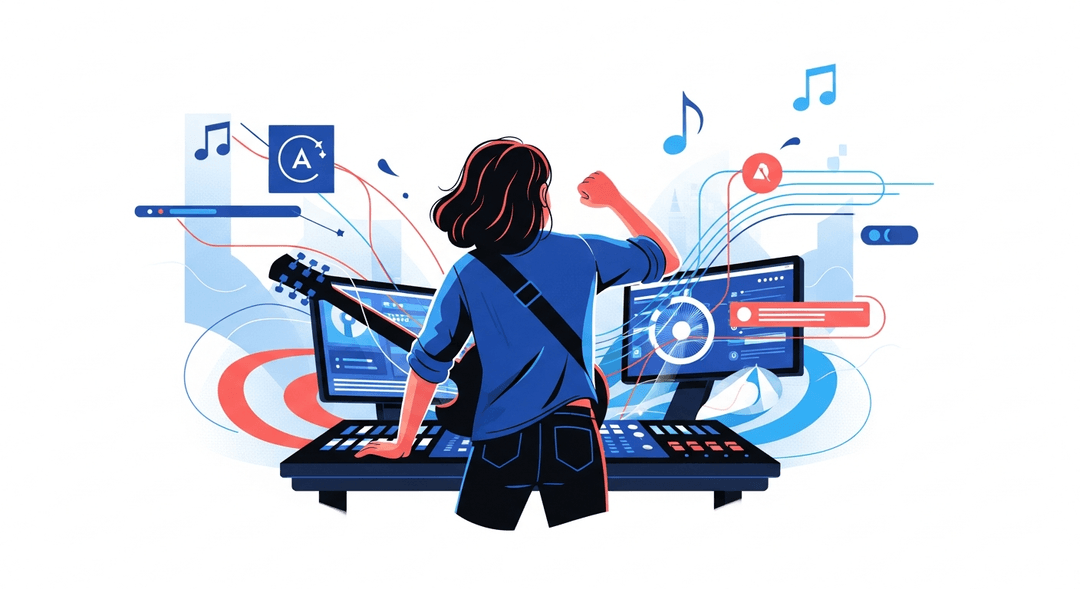
Once you have your list of targets, the next step is outreach. Guide artists on crafting compelling, concise, and personalized pitch emails. A generic "To Whom It May Concern" email is a one-way ticket to the spam folder; personalize every message.
Your pitch should include a brief, engaging introduction, clearly state why their specific outlet is a good fit for your music, and include a link to your Electronic Press Kit. Always provide a clear call to action, such as asking for a review or a feature. This makes it easy for the recipient to act.
Best practices for subject lines are crucial for getting your emails opened. Make them clear, concise, and intriguing, perhaps including your artist name and genre. Avoid vague or overly promotional language that might trigger spam filters.
Follow-Up Etiquette and Cultivating Long-Term Relationships
The delicate balance of follow-ups is vital: be persistent without being spammy. A single, polite follow-up a week or so after your initial email is usually acceptable. If you don't hear back after two attempts, move on gracefully.
Building genuine relationships with press contacts over time is more valuable than any single feature. Engage with their content, share their articles, and show authentic appreciation for their work. This fosters a sense of community and can lead to future opportunities. For more insights on efficient outreach, explore our lean music promotion strategies.
Remember, a strong music blog submission strategy is not just about getting a feature; it's about connecting with tastemakers who can become long-term champions of your sound. You can also explore smart strategies for getting featured on Spotify Playlists to expand your reach even further.
Expanding Your Reach: Untapped Platforms for Independent Artist Promotion
Leveraging Social Media for Organic Buzz and Discoverability
Beyond traditional music blogs, there's a universe of platforms waiting to discover your music. Explore alternative and emerging platforms like TikTok, Instagram Reels, YouTube channels, Twitch streamers, and Discord communities. These platforms offer unique opportunities for organic buzz and direct engagement.
Provide strategies for finding trending content and engaging with relevant communities. On TikTok and Instagram, participating in trends can put your music in front of new audiences. On Discord, joining music-focused servers allows you to connect with fellow artists and fans directly. Discover more about these opportunities in our article on untapped music marketing platforms.
Community Building and Strategic Collaborations for Wider Exposure
The power of collaborations cannot be overstated. Partner with other artists, content creators, or even influencers whose audience aligns with yours. Cross-promotion can exponentially expand your reach and introduce your music to entirely new fanbases.
Emphasize direct fan engagement and community building as a powerful music PR strategy. Responding to comments, hosting Q&As, and creating exclusive content for your most dedicated fans builds loyalty and turns them into your most passionate promoters. Learning how to find trending Instagram Reels can also significantly boost your discoverability on social platforms.
Measuring Success and Adapting Your DIY Music PR Strategy
Tracking Your Mentions and Analyzing Impact
Once your DIY music promotion efforts are underway, it's essential to track your progress. Set up Google Alerts for your artist name and track mentions across blogs, social media, and other platforms. Document every feature, review, and playlist add.
Analyze the impact of your PR efforts. Are your streaming numbers increasing? Is your social media engagement growing? Are you seeing more website traffic? These metrics provide valuable insights into what's working and what isn't, informing your future music PR strategy.
Iteration and Long-Term Growth for Sustained Publicity
Emphasize the importance of learning from both successes and rejections. Every pitch, every feature, and every silence offers a lesson. What kind of outlets responded best? Which pitch angles were most effective? Use this feedback to refine your approach.
Encourage continuous refinement of your strategy based on data and feedback. Independent artist promotion is an ongoing process, not a one-time event. By consistently adapting and improving, you can achieve sustained growth and maintain momentum in your career.
Frequently Asked Questions about DIY Music Promotion
How long does it typically take to get press for my independent music?
The timeline for securing press can vary widely. For smaller, niche blogs and playlists, you might see results in a few weeks. Larger publications or more significant features can take months, or even longer. Consistency and patience are key; view DIY music promotion as a marathon, not a sprint.
What are the most crucial elements to include in an Electronic Press Kit (EPK)?
The most crucial elements for an EPK include a professional bio, high-quality music samples (streamable and downloadable), professional photos, links to your best videos, recent press quotes, and clear contact information. Essentially, everything a journalist needs to write about you without extra effort.
Should independent artists pay for music PR services, or is DIY promotion enough?
For emerging artists, DIY music promotion is often the best starting point to learn the ropes and save money. Once you have a strong foundation and some initial traction, investing in a reputable publicist can amplify your efforts. However, always do your due diligence when considering paid services.
How often should I follow up with a blog or publication after submitting my music?
A single, polite follow-up email is generally appropriate, typically 7-10 days after your initial submission. If you don't receive a response after that, it's best to move on. Respect their time and inbox, and continue to build relationships for future releases.