Top SEO Strategies for Independent Musicians to Get Discovered
In today's hyper-connected digital landscape, simply creating great music isn't enough. Independent musicians face the exhilarating challenge and immense opportunity of connecting directly with fans worldwide. But with millions of tracks uploaded daily, how do you ensure your unique sound cuts through the noise? The answer lies in mastering your Indie Artist SEO Strategy.
At TunePact, we understand the dedication it takes to build a music career. That's why we've crafted this actionable SEO blueprint. It’s designed to empower you, the independent artist, to unlock your fanbase, get discovered organically, and grow your audience without relying on expensive marketing agencies. Let's dive into how you can make search engines work for your music.
Why Indie Artist SEO Strategy Matters for Your Music Career
The journey from an unheard track to a fan's favorite song often begins with a search. Whether they're looking for new artists in a specific genre, an answer to "who sings that song?", or trying to remember a catchy lyric, search engines have become the primary gateway for discovery.
Independent musicians today face significant hurdles in gaining visibility and discoverability. The sheer volume of content makes it difficult for new artists to stand out. This is where a strong Indie Artist SEO Strategy becomes not just an advantage, but a necessity.
Understanding the Fan Journey in the Digital Age
To effectively implement an SEO strategy, you must first understand how potential fans find and engage with music online. The modern fan journey often starts with a search query, moving from discovery on a platform to deeper engagement on an artist's website or social channels.
Fans aren't just searching for "music"; they're searching for "upbeat indie rock for studying," "female vocalist similar to [artist]," or "new acoustic folk releases." By understanding these specific queries, you can tailor your content to appear when and where fans are looking. For a deeper dive, learn more about how to understand the music fan journey.
Setting Clear Goals for Your Music's Online Visibility
Before you embark on optimizing your online presence, it's crucial to define what success looks like for you. Your SEO efforts should align with clear, measurable goals for your music career. Are you aiming to increase streams on Spotify, grow your follower count on social media, boost traffic to your artist website, or sell more merchandise and concert tickets?
TunePact believes in empowering artists with practical tools and knowledge. Our perspective is that a well-executed Indie Artist SEO Strategy is a long-term investment that builds sustainable growth. It's about aligning your efforts with how fans naturally search for and interact with music, ensuring your work gets seen by those who will appreciate it most. This comprehensive approach is part of an essential music SEO strategy for any serious artist.
Unearthing Your Audience: Effective Music Keyword Research
The foundation of any successful SEO strategy is robust keyword research. For independent musicians, this means understanding not just what your music is, but how people describe and search for music like yours.
Music keyword research is about more than just your band name; it's about uncovering the language your potential fans use to find their next favorite artist.
Identifying Your Unique Niche and Brand Keywords
Start by brainstorming keywords that go beyond your band name. Think about your genre (e.g., "synthwave," "alt-pop," "progressive metal"), the moods your music evokes ("melancholic," "uplifting," "energetic"), lyrical themes (e.g., "songs about hope," "social commentary music"), and even related artists or musical movements. Consider if your music fits a specific subculture or demographic.
These detailed keywords help you target niche audiences who are actively searching for exactly what you offer. Focusing on these unique aspects of your music is a key component of an effective Indie Artist SEO Strategy.
Tools and Techniques for Discovering Relevant Search Terms
Fortunately, you don't need a massive budget to conduct effective keyword research. There are numerous free tools at your disposal. Google Keyword Planner (requires a Google Ads account, but doesn't require running ads) helps you find related keywords and their search volumes. Google Trends can show you the popularity of search terms over time and in different regions.
Don't overlook the search suggestions on platforms like YouTube and Spotify; these are direct insights into what users are typing. For more advanced competitive analysis and deeper insights into keyword difficulty, tools like Ahrefs and SEMrush offer comprehensive features, though they come with a subscription.
When analyzing search volume and keyword difficulty, look for a balance. High volume keywords are tempting but often highly competitive. The power of long-tail keywords (more specific, multi-word phrases) lies in their ability to capture highly engaged, niche audiences with less competition. For example, "folk singer-songwriter NYC" is a powerful long-tail keyword if you fit that description.
Understanding how global music market trends influence keyword selection is also vital. The latest IFPI Global Music Report provides comprehensive data and analysis on global streaming trends and market growth, offering crucial context. Similarly, the MIDiA Research Independent Music Economy Report offers in-depth insights into the independent music market, helping you identify emerging niches and opportunities for your music promotion online efforts.
Building Your Digital Home: Band Website SEO Essentials
While streaming platforms are essential, your artist website remains your central hub, your digital home where you have full control. Optimizing it is paramount for long-term success and owning your narrative.
A well-optimized website is a cornerstone of any robust Indie Artist SEO Strategy, providing a stable platform for your music and brand.
On-Page Optimization for Maximum Discoverability
Your website's on-page elements are critical for telling search engines what your content is about. Start by crafting compelling meta titles and descriptions for each page. These should include your target keywords and be enticing enough to encourage clicks from search results.
Structure your website content logically using HTML heading tags. Use a single `
` for the main title of your page, then `` for major sections, and `` for subsections. This hierarchy improves readability for both users and search engines. For instance, your homepage `` might be your band name, with an `` for "Latest Releases" and an `` for "Stream Now."
` for subsections. This hierarchy improves readability for both users and search engines. For instance, your homepage `` might be your band name, with an `` for "Latest Releases" and an `` for "Stream Now."
` for "Latest Releases" and an `` for "Stream Now."
Images are vital for engagement but can slow down your site if not optimized. Always compress images for faster loading and include descriptive alt text. Alt text helps search engines understand the image content and improves accessibility for visually impaired users. For example, "alt='[Your Band Name] performing live at [Venue Name]'" is far better than "alt='image1.jpg'". When you're ready to build a great website for independent musicians, keep these SEO principles in mind.
Technical SEO and User Experience for Artists
Beyond content, the technical health of your website significantly impacts its search ranking. Ensuring your site is mobile-friendly is non-negotiable; most fans will discover you on their phones. Similarly, fast page load speeds are crucial for a positive user experience and better search rankings. Tools like Google PageSpeed Insights can help you identify areas for improvement.
Consider implementing schema markup (structured data) to provide search engines with more context about your content. For musicians, this can include schema for music releases, concert dates, events, and artist profiles, leading to rich snippets in search results that stand out. This advanced step can give your Band website SEO a significant boost, helping search engines understand and display your content more effectively.
Platform Power: Spotify SEO for Artists & YouTube SEO for Musicians
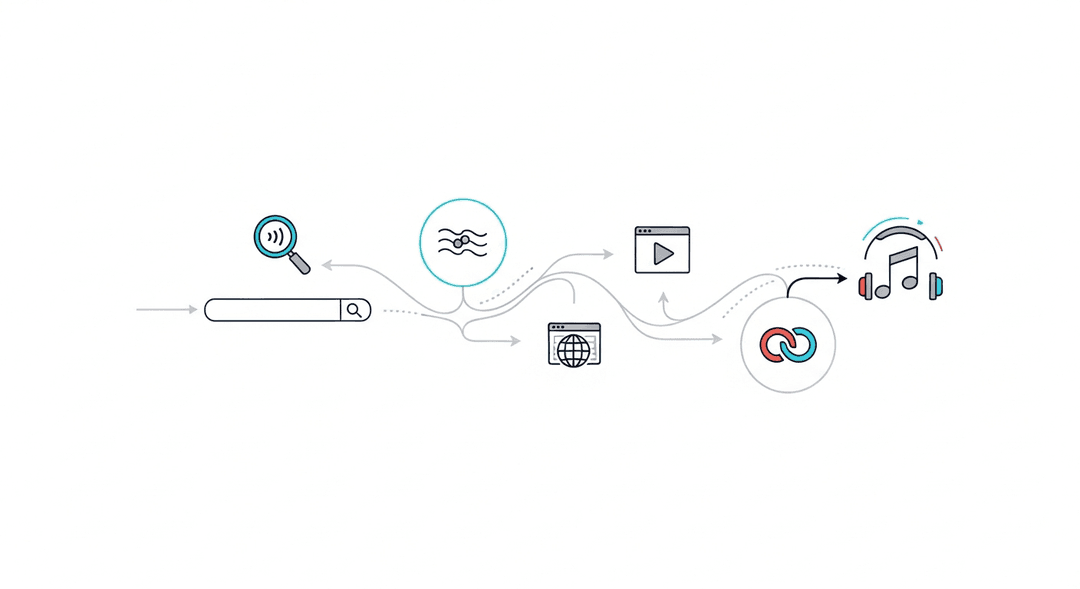
While your website is your home base, streaming and video platforms are where many fans first encounter your music. Optimizing your presence on these platforms is a distinct but equally important aspect of your Indie Artist SEO Strategy.
Dominating Discoverability on Spotify
Spotify SEO for artists involves more than just uploading your tracks. Start by fully optimizing your Spotify for Artists profile. Ensure your biography is rich with keywords related to your genre, influences, and themes. Use high-quality artist photos and link out to your social media and website.
Crucially, pay attention to your track metadata. Use accurate titles, descriptive genres, and mood tags that reflect your music. These tags help Spotify's algorithms categorize and recommend your songs to listeners. Leverage the tools within Spotify for Artists to pitch new music to editorial playlists and monitor your audience insights. Understanding how Spotify's algorithm works for playlisting and algorithmic discovery is key to expanding your reach. For official guidance, check out the Spotify for Artists Discoverability Guide.
Maximizing Your Reach with YouTube SEO
YouTube is not just a video platform; it's the second largest search engine in the world. Effective YouTube SEO for musicians can massively increase your visibility. Craft engaging video titles that include relevant keywords, and write detailed descriptions that tell the story of your video, your music, and include links to your other platforms and website.
Use a comprehensive set of tags that cover your genre, song themes, related artists, and even common misspellings. Design eye-catching thumbnails that compel users to click. Don't forget to utilize YouTube's built-in features like end screens, cards (to promote other videos or your website), and community posts to drive engagement and keep your audience on your channel. The YouTube Creator Academy Video Discovery Guide offers excellent official advice on these strategies.
Both Spotify and YouTube's algorithms heavily favor content that generates high engagement. Views, likes, comments, shares, and watch time all signal to the platforms that your content is valuable, leading to increased visibility. There's a symbiotic relationship here: strong website SEO can drive traffic to your platform profiles, and platform engagement can, in turn, boost your website's authority, creating a powerful feedback loop for your overall music promotion online.
Expanding Your Reach: Holistic Music Promotion Online
An effective Indie Artist SEO Strategy extends beyond just keywords and technical optimizations. It encompasses a broader approach to content creation and community building, ensuring your music reaches every corner of the internet where potential fans might be.
Content Strategy for Engagement and Authority
Regularly creating valuable content is a powerful way to attract and retain an audience, while also signaling to search engines that your website is active and authoritative. Develop a content calendar that includes a variety of formats: blog posts discussing your creative process, the stories behind your lyrics, or your influences; behind-the-scenes videos; collaborations with other artists; and engaging social media updates.
This diverse content not only keeps your existing fans engaged but also provides new avenues for discoverability through search. Each piece of content is an opportunity to rank for new keywords and attract new listeners, making your music promotion online efforts more robust.
Off-Page SEO: Building Links and Community
Off-page SEO primarily involves building high-quality backlinks to your artist website. When reputable music blogs, online magazines, press outlets, or industry sites link to your website, it signals to search engines that your site is trustworthy and authoritative. Strategies for earning these backlinks include submitting your music to influential blogs, sending out press releases for new releases, and actively networking with music industry professionals.
While social media activity doesn't directly impact SEO rankings, it acts as a significant traffic driver and engagement booster. Shares, likes, and comments on your social posts can lead to more people discovering your music and visiting your website or streaming profiles, indirectly supporting your SEO efforts. Consistent social media presence is crucial for an effective Indie Artist SEO Strategy.
Don't overlook local SEO techniques if you perform live or have a local fanbase. Listing your band on local directories, optimizing your Google My Business profile, and targeting location-specific keywords can help you attract fans in specific geographic areas for gigs and local events. Finally, continuously monitor your SEO performance using analytics tools like Google Analytics or TunePact's Fan Analytics Dashboard. Analyzing this data allows you to refine your strategy, identify what's working, and pinpoint new growth opportunities.
Frequently Asked Questions About Indie Artist SEO
We know that navigating the world of SEO can bring up many questions. Here are some common queries from independent musicians, along with practical advice from TunePact.
How long does it take for SEO efforts to show results for independent artists?
SEO is not an overnight solution; it's a long-term investment. For independent artists, you can typically expect to see initial results in 3-6 months, with more significant and sustained growth often taking 6-12 months or even longer. Factors like the competitiveness of your niche, the consistency of your efforts, and the quality of your content all play a role. The key is patience, consistency, and continuous optimization.
What are the most important SEO factors for musicians on streaming platforms?
On streaming platforms like Spotify and Apple Music, the most important SEO factors revolve around metadata, engagement, and profile optimization. This includes detailed and accurate track titles, genres, mood tags, and lyrical information. A fully completed artist profile with a compelling bio and high-quality images is also crucial. Furthermore, strong engagement metrics (streams, saves, playlist adds, shares) signal to the platform's algorithms that your music is popular, boosting its discoverability within the platform.
Can social media activity directly impact my music's SEO?
Social media activity does not directly impact your search engine rankings for your website (e.g., Google doesn't rank you higher because you have a million Instagram followers). However, it has a significant indirect impact. Social media drives traffic to your website, streaming profiles, and YouTube channel. This increased traffic, engagement, and brand mentions can signal authority and relevance to search engines, leading to better discoverability over time. It also helps in building backlinks, which is a direct SEO factor.
Should I focus on local SEO if I'm an independent musician?
Absolutely, especially if you perform live or are looking to build a local fanbase. Local SEO helps you connect with fans in specific geographic areas. Optimizing your Google My Business profile, including your city/region in your website content and track metadata, and engaging with local music scenes online can significantly boost your visibility for location-based searches like "bands near me" or "live music in [your city]." This is a powerful strategy for building a loyal, in-person audience.