
How to Master Music SEO for Independent Artist Discovery?
In today's hyper-connected music landscape, simply creating incredible music isn't enough. To truly break through the noise and connect with a global audience, independent artists need a powerful digital presence. That's where Music SEO strategy comes in – your secret weapon for getting discovered, building your fanbase, and driving organic growth without relying solely on expensive ads.
TunePact understands the unique challenges independent musicians face. This comprehensive guide will demystify Search Engine Optimization (SEO) specifically for artists, providing you with actionable steps to enhance your online visibility. Get ready to transform how fans find your music and elevate your career.
Unlocking Your Online Potential: What is Music SEO and Why It Matters
Beyond the Buzzwords: Demystifying SEO for Musicians
At its core, Music SEO is the process of optimizing your online content – your website, streaming profiles, videos, and social media – so that search engines like Google, Bing, and YouTube can easily find, understand, and rank it higher in search results. For independent artists, this means making it easier for potential fans to discover your music when they search for relevant terms.
Think of it as making your music searchable. A robust Music SEO strategy ensures that when someone types "indie folk artist in Brooklyn" or "new lo-fi beats to study to" into a search bar, your name, songs, or website appear prominently. This isn't just about technical jargon; it's about connecting your art with the audience actively looking for it.
The Fan Journey: How Search Engines Connect You to Your Audience
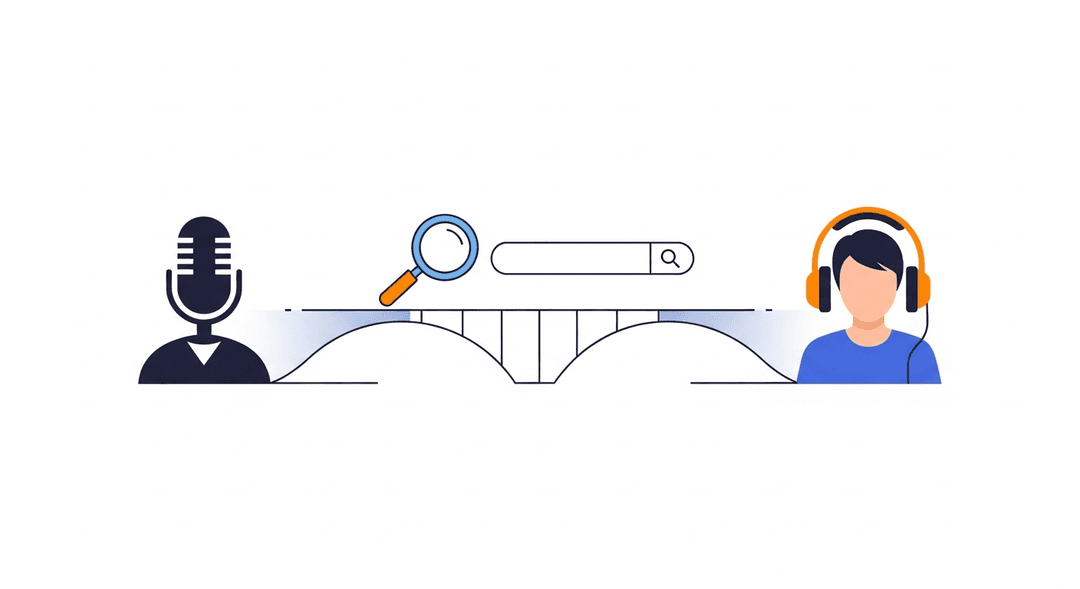
Every potential fan embarks on a journey, and often, that journey begins with a search engine. They might be looking for new artists in a specific genre, seeking music for a certain mood, or even trying to remember a song they vaguely heard. Search engines act as a powerful bridge, helping these curious listeners discover new artists like you.
For independent artists, the benefits of a strong SEO foundation are immense. It leads to increased visibility, allowing your music to reach a wider audience beyond your immediate network. This organic fan growth means less reliance on costly paid advertisements, fostering a more sustainable and authentic connection with your listeners. To truly understand this journey, consider the insights provided in Mastering Music SEO for Artist Discovery, which emphasizes the fan's perspective.
Laying the Foundation: Optimizing Your Music Website for Search Engines
Building Your Digital Home: Essential Website Elements
Your dedicated artist website is arguably the most crucial asset in your digital toolkit. It serves as your central hub, giving you full control over your narrative, branding, and content. For effective Independent artist SEO, this "digital home" needs to be meticulously optimized.
When it comes to your website, several factors play a critical role in how search engines perceive and rank you. Ensure your site is mobile-friendly, as most users browse on their phones. Site speed is paramount; slow-loading pages frustrate users and hurt rankings. A secure connection (HTTPS) is also a non-negotiable for trust and SEO.
Beyond technical aspects, prioritize a positive user experience. This includes clear navigation that makes it easy for fans to find your music, bio, tour dates, and contact information. A professional aesthetic that aligns with your brand is also essential for leaving a lasting impression. If you haven't yet, consider building an essential independent artist website that truly represents you.
Technical SEO Basics: Ensuring Google Can Find You
For search engines to properly index your site, a few technical steps are necessary. First, create a sitemap – an XML file that lists all the important pages on your website, helping search engine crawlers understand its structure. Many website builders generate this automatically.
Once your sitemap is ready, submit it to Google Search Console and Bing Webmaster Tools. These free platforms allow you to communicate directly with search engines, monitor your site's performance in search results, and troubleshoot any indexing issues. Regularly checking these tools is a fundamental part of ensuring your music website optimization efforts are recognized.
The Power of Words: Finding and Using the Best SEO Keywords for Musicians
Discovering Your Audience's Language: Keyword Research
To truly master how to get music discovered online, you need to speak your audience's language. Keyword research is the process of identifying the terms and phrases potential fans use to find music like yours. These are your Best SEO keywords for musicians.
Think broadly: naturally include your artist name, specific genre(s) (e.g., "dream pop," "lo-fi hip hop"), your location (if relevant for local gigs), moods (e.g., "music for studying," "uplifting indie tracks"), instrumental tags (e.g., "acoustic guitar songs," "synth-driven beats"), and even similar artists (e.g., "artists like [popular artist]").
Free tools like Google Keyword Planner can help you discover search volumes and related terms. More advanced options like Ahrefs Keyword Explorer or SEMrush offer deeper insights into competitor keywords and long-tail opportunities. Don't underestimate the power of simply brainstorming what you'd search for.
Weaving Keywords Naturally: On-Page Content Optimization
Once you have your target keywords, the art is to integrate them seamlessly into your online content. This is where on-page content optimization shines. Optimize your track titles and album descriptions on your website and streaming platforms. Your artist bio should clearly state your genre and unique selling points, incorporating keywords naturally.
If you maintain a blog on your website, every post is an opportunity to target specific keywords related to your music, inspirations, or behind-the-scenes stories. Even your lyrics, when published on your site or lyric sites, can contribute to your SEO by containing relevant terms. The key is natural keyword integration – your content should always read well for humans first.
Avoid "keyword stuffing," which is the practice of unnaturally cramming keywords into your content. This not only turns off readers but can also lead to penalties from search engines. Remember, your keyword strategy should align with developing your artist branding strategy, ensuring consistent messaging across all platforms.
Beyond Your Website: Amplifying Your Music SEO Across the Web
Building Authority: Backlinks and Mentions
Your website is your home base, but for true SEO power, you need to build bridges to it from other reputable sites. These "bridges" are called backlinks – when another website links to yours. Backlinks from high-authority sources like established music blogs, news sites, and industry platforms signal to search engines that your content is valuable and trustworthy, significantly boosting your domain authority.
Strategies for earning high-quality backlinks include: guest posting on relevant music blogs, collaborating with other artists or content creators, securing interviews with music publications, and proactively submitting your music to curators and tastemakers who might feature you. Every mention, even without a direct link, builds your online presence and discoverability, helping with how to get music discovered online.
Social Signals and Music Streaming Platforms
While social media likes and shares aren't direct SEO ranking factors, they generate traffic and visibility, which can lead to more searches for your name and music. Furthermore, your profiles on streaming services (Spotify, Apple Music, Bandcamp, SoundCloud) and social media platforms (Instagram, TikTok, Facebook, X/Twitter) are highly searchable. Ensure these profiles are fully optimized with consistent branding, rich keywords in your bios and descriptions, and links back to your main website.
YouTube SEO is a beast of its own, but mastering it is crucial for musicians. Optimize your music video titles, descriptions, and tags with relevant keywords. Create playlists to group your content, and encourage engagement through comments and shares. These efforts are an integral part of effective music promotion strategies that naturally generate SEO benefits.
Don't forget the power of traditional PR, adapted for the digital age. Learning how to get your music discovered online often involves crafting a compelling music press release and distributing it to relevant outlets. This can lead to features and, crucially, valuable backlinks. For consolidating all your important links in one place for easy sharing, consider utilizing TunePact's Smart Bio Link tool to share your EPK and other key resources.
Tracking Your Progress: Analytics and Continuous Improvement
Monitoring Your Performance: Essential SEO Tools
SEO isn't a "set it and forget it" task; it requires ongoing monitoring and adaptation. Fortunately, powerful free tools are available to help you track your progress. Google Analytics allows you to monitor website traffic, user behavior (where visitors come from, what pages they view, how long they stay), and conversion goals.
Google Search Console is indispensable for understanding how your site performs in Google search results. Here, you can track your search rankings, see which keywords bring users to your site (impressions and clicks), identify any indexing issues, and monitor your site's health. Key metrics to monitor include: impressions (how many times your content appeared in search), clicks (how many times users clicked on your content), bounce rate (how often users leave your site after viewing only one page), and average session duration (how long users spend on your site).
Adapting Your Strategy: Staying Ahead of the Curve
The digital landscape is constantly evolving, and so are search engine algorithms. This means SEO is an iterative process. Regularly updating your content, re-optimizing existing pages with fresh insights, and consistently creating new, valuable content (like blog posts, news updates, or lyrics pages) are vital for maintaining and improving your rankings.
Staying informed about SEO best practices, algorithm changes (like Google's core updates), and emerging trends in the music industry is crucial. Dedicate time each month to review your analytics, read industry blogs, and adjust your Music SEO strategy accordingly. This proactive approach ensures your music remains discoverable and your fanbase continues to grow organically.
Frequently Asked Questions About Music SEO
What is music SEO and why is it important for independent artists?
Music SEO (Search Engine Optimization) is the practice of optimizing your online presence – including your website, streaming profiles, and videos – to rank higher in search engine results. It's crucial for independent artists because it increases your visibility, helping potential fans discover your music organically when they search for genres, moods, or specific artist names. This leads to wider reach, more listeners, and sustainable fan growth without solely relying on paid advertising.
How can independent artists improve their music SEO for discovery?
Independent artists can significantly improve their music SEO by focusing on several key areas: optimizing their artist website (mobile-friendly, fast, secure, clear navigation), conducting thorough keyword research to identify what fans search for, naturally integrating those keywords into all online content (bios, track titles, descriptions, blog posts), building high-quality backlinks from reputable music sites, and optimizing their profiles on streaming platforms and YouTube. Consistent content creation and regular monitoring of analytics are also essential.
What are the best keywords for musicians to target in their content?
The best keywords for musicians are those that accurately describe their music and align with what potential fans would search for. These include your artist name, specific genre(s) (e.g., "indie pop," "electronic music"), relevant locations (if you perform locally), moods or themes (e.g., "chill beats," "empowering anthems"), instrumentation (e.g., "piano ballads," "synthwave tracks"), and even "artists like [popular artist]" to capture related searches. Use tools like Google Keyword Planner to find high-volume, relevant terms.
How long does it take to see results from a music SEO strategy?
SEO is a long-term strategy, not an overnight fix. While some minor improvements might be noticeable within weeks (e.g., better indexing), significant results from a comprehensive Music SEO strategy typically take anywhere from 3 to 6 months, or even longer. Factors like the competitiveness of your niche, the quality of your content, and the consistency of your efforts all play a role. Patience and persistence are key, as the organic growth gained through SEO is highly sustainable and valuable.