
Top Platforms To Sell Music Merch Online as an Artist
In today's dynamic music industry, selling merchandise isn't just about extra income; it's a powerful tool for building your brand, deepening fan connections, and turning listeners into loyal supporters. For independent musicians, navigating the world of online merch can seem daunting, but with the right platform, it becomes an accessible and rewarding venture. This guide from TunePact will help you cut through the noise and choose the best platform to sell music merch online, tailored to your unique journey as an artist.
Whether you're just starting out with a small but dedicated fan base or looking to scale your existing merch operation, understanding your options is key. We’ll explore various platforms, their features, and how to integrate them seamlessly into your overall music business strategy, ensuring your merch efforts truly resonate with your audience and contribute significantly to your success.
Crafting Your Musician Merchandise Strategy for Success
Before you even think about which platform to choose, it’s crucial to lay the groundwork with a solid merchandise strategy. This involves understanding your current standing, your goals, and your capacity. A well-thought-out plan will save you time, money, and potential headaches down the road, making the process of selling music merch online much smoother.
Assessing Your Career Stage, Fan Base, and Brand Identity
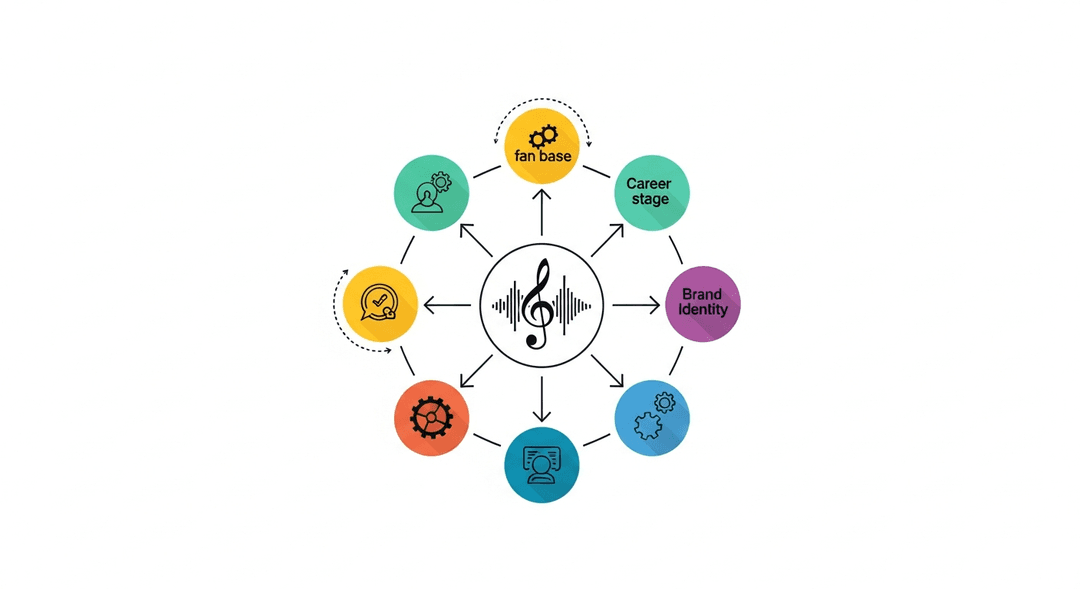
Your journey as an artist is unique, and so should be your merch strategy. Consider where you are in your career: are you an emerging artist building your first fan base, or an established indie act with a strong following? This will influence the scale and type of merch you offer. Your brand identity – your musical genre, aesthetic, and message – should be clearly reflected in your merchandise designs. This ensures authenticity and resonance with your fans.
- Define your goals for selling merch: Are you primarily focused on generating revenue, increasing fan engagement, or strengthening your brand identity? Often, it's a mix of all three, but knowing your priorities helps in decision-making.
- Evaluate your current fan base size and engagement level: A smaller, highly engaged fan base might prefer exclusive, high-quality items, while a larger, more diverse audience might respond better to a wider range of affordable options.
- Reflect your brand identity: Your merch should be an extension of your music and persona. Consistent branding across your music, visuals, and merchandise creates a cohesive and memorable experience for your fans.
Budgeting for Merch: Upfront Costs vs. Profit Margins
Understanding the financial implications is paramount. Merch can be a significant revenue stream, but it also comes with costs. These can range from design fees and platform subscriptions to manufacturing and shipping. A clear budget helps you make informed choices about your inventory and pricing, ensuring profitability.
- Determine your budget for initial investments: This includes design costs (if you're hiring a graphic designer), platform fees, and potential inventory purchases. Knowing what you can realistically spend upfront is vital.
- Understand the difference between bulk orders and print-on-demand (POD): Bulk orders often yield lower per-unit costs and higher profit margins but require a larger initial investment and inventory management. POD eliminates upfront costs and inventory risk but typically offers lower per-unit profit.
- Calculate potential profit margins: Use tools like TunePact's essential music merch profit calculator to accurately project your earnings based on costs and selling prices. This helps in strategic pricing and bundle creation.
Your Involvement: DIY Fulfillment vs. Hands-Off Solutions
How much time and effort are you willing to dedicate to managing your merch? Some artists enjoy the hands-on approach of packaging and shipping, viewing it as another connection point with fans. Others prefer to focus on their music and delegate fulfillment to third-party services. Your choice will guide you towards different platform types and fulfillment models.
- Decide on your desired level of involvement: Are you prepared to handle all aspects of production, shipping, and customer service yourself, or do you prefer a more automated, hands-off approach?
- Consider your time constraints: As an independent artist, your time is precious. Weigh the time commitment of self-fulfillment against the costs of outsourcing, especially as your sales grow.
- Evaluate options like dropshipping and third-party fulfillment: These services can significantly reduce your workload, allowing you to focus on creative endeavors and fan engagement.
Key Features to Look for in Music Merch Platforms
Once you have a clear strategy, it's time to evaluate the platforms themselves. Not all platforms are created equal, and the "best" one is truly subjective, depending on your specific needs. Focusing on key features will help you narrow down the options and find a solution that aligns perfectly with your artistic and business goals.
Print-On-Demand (POD) vs. Bulk Inventory: Which is Right for You?
This is perhaps the most fundamental decision when choosing a merch platform. Each model has distinct advantages and disadvantages that impact your finances, inventory management, and overall workflow. Understanding these differences is crucial for making an informed choice that supports your artistic journey.
- Compare the pros and cons of POD: Print-on-demand services eliminate inventory risk and reduce upfront costs, as items are only produced once an order is placed. This is ideal for artists starting out or those with limited storage. However, per-unit profit margins can be lower, and you have less control over product quality and shipping times.
- Weigh against traditional bulk inventory: Purchasing merch in bulk typically offers better profit margins per item and allows for greater control over product quality and branding. The downside is a larger upfront investment, the need for storage space, and the risk of unsold inventory.
- Consider a hybrid approach: Many artists find success by combining both methods – using POD for experimental designs or less popular items, and bulk orders for best-selling staples like t-shirts and CDs.
Seamless Integration with Your Existing Music Business
Your merch store shouldn't operate in a vacuum. It should be an integral part of your larger online presence, connecting effortlessly with your website, social media, and music distribution channels. Look for platforms that offer robust integration capabilities to streamline your operations and enhance the fan experience.
- Look for platforms that integrate with your website: Whether you use WordPress, Squarespace, or another platform, seamless integration allows fans to shop without leaving your site, creating a cohesive brand experience.
- Ensure social media and music distribution compatibility: The ability to easily link your merch store to your social profiles and music streaming pages is vital for promotion and driving traffic.
- Evaluate ease of use and design customization: A user-friendly interface for managing your store and ample customization options for your storefront design ensure your brand identity shines through and fans have a pleasant shopping experience.
Robust Sales, Analytics, and Marketing Tools
To truly master your merch sales, you need more than just a storefront. Powerful analytics and marketing tools are essential for understanding your audience, optimizing your offerings, and effectively promoting your products. These features help you make data-driven decisions and grow your merch business strategically.
- Assess reporting features for sales data: Detailed analytics on what's selling, to whom, and when, are crucial for identifying trends and planning future inventory.
- Look for customer insights: Understanding your buyers can help you tailor future merch drops and marketing efforts.
- Consider built-in marketing tools: Features like email list integration, discount code generators, abandoned cart recovery, and SEO capabilities can significantly boost your sales and reach.
- Explore options for fan engagement: Some platforms offer features like fan messaging, exclusive content access, or loyalty programs that can turn casual buyers into dedicated patrons.
Top Sites & Platforms for Independent Artists to Sell Merch Online
Now that you know what to look for, let's dive into some of the most popular and effective platforms available to independent musicians today. Each offers a unique set of features and caters to different needs, from complete e-commerce solutions to specialized print-on-demand services.
All-in-One E-commerce Solutions (e.g., Bandcamp, Shopify, Squarespace)
These platforms offer comprehensive tools for artists who want significant control over their online store, branding, and customer experience. They are often best for artists who are ready to invest a bit more time and effort into building a robust online presence.
- Bandcamp: Widely beloved by independent artists, Bandcamp is known for its artist-friendly ecosystem, high revenue share, and direct-to-fan approach. It's excellent for selling music alongside merch, offers easy setup, and fosters a strong community. It's a natural fit for artists looking to mastering music merchandise sales effectively within a music-focused environment.
- Shopify: For artists seeking ultimate control and scalability, Shopify is a powerful e-commerce platform. It offers extensive customization, a vast app store for added functionality (like POD integrations), and robust sales tools. It's suitable for growing artists who want a dedicated, professional online store.
- Squarespace: Known for its beautiful templates and ease of use, Squarespace offers integrated e-commerce capabilities that are perfect for artists who want a stylish, all-in-one website solution that includes their merch store. It's less complex than Shopify but still provides strong customization options.
Dedicated Print-on-Demand Services (e.g., Merch by Amazon, Printful, Printify)
If you want to minimize upfront costs, avoid inventory management, and streamline fulfillment, print-on-demand (POD) services are an excellent choice. They handle production and shipping, allowing you to focus on design and promotion.
- Merch by Amazon: This platform allows artists to upload designs for various products (t-shirts, hoodies, phone cases, etc.) which Amazon then manufactures, sells, and ships. It offers vast audience reach and a completely hands-off fulfillment process, though approval can be competitive and royalties are fixed.
- Printful & Printify: These are two of the most popular POD providers, offering extensive product catalogs and integrations with major e-commerce platforms like Shopify, Etsy, and Squarespace. They allow you to create custom-branded products, and when an order comes in through your integrated store, they print and ship it directly to your customer. They provide a lot of flexibility in product choice and quality.
- Redbubble & Teespring (Spring): These platforms act as marketplaces where you can upload designs and sell them on a variety of products without managing a storefront. They're great for casual merch selling and reaching a broader audience, but offer less control over branding and customer experience compared to dedicated stores.
Niche Marketplaces and Custom Storefronts
Beyond the mainstream, there are other avenues that might suit specific needs or artistic styles. These can range from curated marketplaces to building your own bespoke solution.
- Etsy: While often associated with handcrafted goods, Etsy can be a great platform for musicians selling unique, artist-designed merch, especially if your aesthetic leans towards the artisanal or vintage. It has a built-in audience looking for unique items.
- Custom-built solutions: For highly established artists or those with very specific needs, a custom-built e-commerce site might be an option. This offers maximum control but requires significant technical expertise or investment in web development. This is usually reserved for artists with very large fan bases and specific branding requirements.
For more detailed guidance on setting up your merch strategy, including point-of-sale systems and effective pricing, check out this comprehensive Musician's Guide to Selling Merch from Bandsintown.
Streamlining Merch Fulfillment and Operations for Independent Artists
Choosing the right platform is just the first step. Efficient fulfillment and smooth operations are critical for ensuring customer satisfaction and freeing up your time to focus on your music. This involves everything from managing inventory to handling customer inquiries.
Mastering Inventory Management and Shipping Logistics
Whether you're fulfilling orders yourself or using a third-party, understanding the flow of products from your hands to your fans is essential. Proper management prevents overselling, reduces delays, and keeps costs in check.
- Strategies for tracking inventory: If you're holding stock, implement a system (spreadsheet, dedicated software) to track what you have, what's sold, and what needs reordering. For POD, the platform handles this automatically.
- Best practices for packaging: Use sturdy, appropriately sized packaging to protect items during transit. Consider branded packaging for an enhanced unboxing experience.
- Navigating shipping rates and international shipping: Research different carriers and their rates. Offer various shipping options (standard, expedited). Be transparent about international shipping costs, customs duties, and delivery times to avoid surprises for your global fans.
- Automating shipping processes: Many e-commerce platforms offer integrations with shipping carriers to print labels, track packages, and send automated updates to customers.
Handling Customer Service and Returns with Ease
Excellent customer service builds loyalty and positive word-of-mouth. Having clear policies and efficient processes for inquiries and returns can turn a potentially negative experience into a positive one.
- Setting up clear return policies: Clearly state your return and exchange policy on your website. Be fair and transparent about conditions, timelines, and who covers shipping costs.
- Managing customer inquiries efficiently: Respond promptly and professionally to questions about orders, shipping, or products. Use email, a dedicated contact form, or even a simple FAQ section to address common concerns.
- Leveraging FAQs for common issues: A well-designed FAQ page can significantly reduce the number of direct inquiries, saving you time and providing instant answers for your fans.
The Benefits of Dropshipping and Third-Party Fulfillment
For many independent artists, the logistical burden of merch can be overwhelming. Dropshipping and third-party logistics (3PL) offer powerful solutions to offload these responsibilities, allowing you to scale without needing a warehouse.
- Understanding how dropshipping works: With dropshipping (often synonymous with POD for artists), you don't hold any inventory. When a customer orders, the POD provider prints the item and ships it directly to them. This eliminates inventory risk and storage needs.
- Advantages for independent artists: Dropshipping allows you to offer a wide range of products without upfront investment, test new designs easily, and scale your offerings without worrying about physical stock.
- Exploring third-party logistics (3PL) providers: If you're selling bulk inventory but don't want to handle shipping yourself, 3PL companies can store your merch, pack orders, and ship them out for a fee. This is ideal for artists with a consistent volume of sales who want to optimize their operations.
Maximizing Your Merch Sales and Fan Engagement
Once your store is set up and running smoothly, the next step is to actively promote your merchandise and integrate it into your broader fan engagement strategy. Smart marketing and creative offerings can turn your merch store into a thriving hub for your community.
Strategic Pricing, Bundling, and Limited Editions
Your pricing strategy and product offerings play a huge role in driving sales. Think beyond just individual items and consider how you can create more value and excitement for your fans.
- How to price your merch competitively: Research what similar artists are charging. Factor in production costs, platform fees, shipping, and your desired profit margin. Don't undersell your value, but also ensure prices are accessible to your fan base.
- Ideas for creating attractive bundles: Combine a t-shirt with a digital download, a CD, or a sticker pack. Bundles offer perceived value and can increase average order value. Consider "superfan" bundles with exclusive items.
- Limited-edition items to drive demand: Create scarcity by offering limited runs of unique designs, signed items, or tour-exclusive merch. This encourages immediate purchases and adds a sense of urgency and exclusivity.
- Seasonal or event-specific drops: Release special merch for holidays, album anniversaries, or upcoming tours to keep your offerings fresh and exciting.
Effective Promotion Across Your Channels
Your merch won't sell itself. You need to actively promote it where your fans are, integrating it naturally into your content and communications.
- Utilizing social media: Regularly post high-quality photos and videos of your merch. Show yourself and your bandmates wearing it. Run contests, polls, and teasers for new drops.
- Email newsletters: Your email list is one of your most valuable assets. Use it to announce new merch, offer exclusive discounts, and share behind-the-scenes glimpses of your designs.
- Your website and artist profiles: Make sure your merch store is prominently linked on your official website, Bandcamp page, and all other artist profiles.
- Collaborate with influencers or other artists: Partner with creators whose audience might align with yours to cross-promote merchandise.
Leveraging Live Streams and Events to Boost Sales
Live interactions, whether online or in-person, are prime opportunities to showcase and sell your merchandise. Make sure your merch is visible and easily accessible during these moments.
- Integrating merch sales into your live stream performances: During virtual concerts, prominently display your merch, wear it yourself, and verbally direct viewers to your store link. Many live stream platforms offer integrated merch modules. For more tips, read our guide on how to boost merch sales during live streams.
- Virtual events and Q&As: Use these interactive sessions to talk about your merch, answer questions about designs, and share stories behind the items.
- Creating exclusive fan club merch or loyalty programs: Reward your most dedicated fans with exclusive items only available to fan club members or through a loyalty point system. This fosters a deeper connection and encourages repeat purchases.
- Physical shows and pop-ups: If you play live, always have a well-organized and attractive merch table. Offer a variety of payment options and engage with fans personally.
Frequently Asked Questions About Selling Music Merch Online
It's common to have many questions when starting or optimizing your online merch store. Here are some of the most frequently asked questions by independent artists.
What is the most profitable way for musicians to sell merch?
The most profitable way often involves a combination of strategies. Selling physical products directly (holding inventory yourself or using a 3PL) generally yields higher profit margins per item than print-on-demand, as you can control manufacturing costs. However, this requires upfront investment and inventory management. For maximum profitability, focus on high-demand items, strategic pricing, bundling, and effective direct-to-fan marketing to cut out intermediaries. Utilizing tools like TunePact's profit calculator can help you identify your most profitable items and strategies.
How much does it cost to start selling merch as an independent musician?
The cost can vary significantly. You can start with as little as $0 upfront by using print-on-demand (POD) services like Merch by Amazon, Printful, or Printify, where you only pay when an item sells. If you opt for bulk orders, costs can range from a few hundred dollars (for a small batch of t-shirts) to several thousands (for a diverse range of items). Additional costs might include design fees (if hiring a designer), platform subscription fees (e.g., Shopify), and initial marketing spend. Starting small with POD is a great way to test the waters without significant financial risk.
Should musicians prioritize print-on-demand or hold inventory for their merchandise?
This depends heavily on your career stage, budget, and risk tolerance. Print-on-demand (POD) is ideal for:
- Artists just starting out with limited budgets.
- Testing new designs or product types without financial risk.
- Minimizing time spent on fulfillment and inventory.
- Smaller fan bases where demand for specific items is unpredictable.
Holding inventory (bulk orders) is better for:
- Established artists with a consistent, predictable demand for popular items.
- Achieving higher profit margins per unit.
- Having full control over product quality and packaging.
- Offering exclusive items (e.g., signed CDs, limited edition vinyl).
Many artists find success with a hybrid approach, using POD for niche items and bulk for best-sellers.
What are the best platforms for print-on-demand for musicians?
For musicians, some of the best print-on-demand platforms include:
- Printful & Printify: These are robust POD providers that offer a wide range of products (apparel, accessories, home goods) and integrate seamlessly with popular e-commerce platforms like Shopify, Squarespace, and Etsy. They give you great control over your product selection and mockups.
- Merch by Amazon: Excellent for reaching Amazon's massive audience and offering completely hands-off fulfillment. However, approval can be competitive, and customization options are more limited.
- Redbubble & Teespring (Spring): These operate more as marketplaces where you upload designs, and they handle everything. They're easy to use for quick setup but offer less branding control than a dedicated store integrated with Printful/Printify.
The "best" choice depends on whether you want a standalone marketplace or a POD service that integrates with your own branded storefront.