

How to Sell Music Merchandise Effectively
As an independent musician, your creativity extends beyond your sound. In today's dynamic music industry, a well-executed merchandise strategy isn't just an accessory—it's a cornerstone of your business. This guide from TunePact will help you transform your artistic vision into tangible products, deepen fan connections, and build a sustainable revenue stream.
Why Independent Artists Need to Sell Music Merchandise Now More Than Ever
The landscape for independent artists is constantly evolving. While streaming platforms offer unparalleled reach, they often provide minimal direct income. This makes diversifying your revenue streams not just smart, but essential for survival and growth.
Beyond Streaming: Diversifying Your Independent Artist Income
Relying solely on streaming royalties can be a precarious path for independent musicians. Merchandise offers a vital alternative, allowing you to capture more value directly from your most dedicated fans. It's a significant component of your overall independent artist income, moving beyond passive streams to active engagement.
- Understand why merchandise is crucial for financial stability beyond streaming royalties. It provides a direct transaction that often yields higher profit margins per unit than a single stream.
- Merch sales allow you to tap into your fanbase's desire to support you directly, offering a more personal way for them to contribute to your career.
- By offering unique products, you create additional points of sale that aren't tied to the fluctuating payouts of digital distribution.
Building Deeper Fan Connections Through Tangible Goods
Merchandise isn't just about money; it's about connection. When a fan wears your band's t-shirt or drinks from your branded mug, they're not just buying a product—they're investing in your brand and becoming an ambassador.
- Explore how merch strengthens fan loyalty and creates a unique brand experience. Each item serves as a physical reminder of their connection to your music.
- Discuss the role of merch in brand extension and visibility for independent artists. Your fans become walking billboards, spreading your name and aesthetic wherever they go.
- Tangible goods offer a sense of ownership and belonging, fostering a stronger community around your artistry.
Choosing the Right Merch Strategy: Print on Demand Music Merch vs. Inventory
Deciding how to produce and fulfill your merchandise is one of the most critical decisions. Your choice will impact your upfront costs, inventory management, and overall profit margins.
Understanding Your Fulfillment Options (POD, Self-Fulfilled, 3PL)
There are several ways to get your merchandise into your fans' hands, each with its own benefits and drawbacks. Understanding these options is key to building a sustainable merchandise operation.
- Compare the pros and cons of Print on Demand (POD) for music merch. POD services offer zero risk and overhead, as items are only printed once an order is placed. This is ideal for artists just starting or those with limited storage space.
- Evaluate self-fulfillment, where you manage inventory, packaging, and shipping yourself. This option offers maximum control over quality and branding but requires significant time and space.
- Consider third-party logistics (3PL) for artists with existing inventory or scalability needs. A 3PL partner can handle storage, picking, packing, and shipping, freeing up your time to focus on music.
Brainstorming Winning Artist Merchandise Ideas
What you sell is just as important as how you sell it. Your products should reflect your brand, appeal to your audience, and offer value beyond just a logo.
- Identify popular and profitable artist merchandise ideas, from classic apparel (t-shirts, hoodies) to physical music formats (vinyl, CDs), and unique accessories (pins, patches, tote bags, phone cases).
- Think creatively: What unexpected items could carry your brand? Custom artwork, limited edition prints, or even branded coffee beans can resonate with specific fan bases.
- Leverage market trends and industry reports to inform product selection. For instance, the IFPI Global Music Report 2026 often highlights the resurgence of physical formats, while the RIAA 2025 Year-End Recorded Music Revenue Report underscores the continued strength of physical sales in the US. These insights can guide your decisions toward popular items like vinyl.
- For a comprehensive dive into product selection and strategy, the Complete Guide to Profitable Music Merchandise for Independent Artists is an excellent resource.
Designing & Producing Merchandise That Stands Out
Your merchandise is an extension of your artistic brand. High-quality designs and products not only look better but also convey professionalism and respect for your fans.
Crafting Compelling Designs & Brand Identity
Good design isn't just about aesthetics; it's about communication. Your merch designs should instantly connect with your audience and reinforce your unique artistic identity.
- Develop design principles that align with your artistic brand and resonate with your audience. Consider your genre, lyrical themes, and overall aesthetic.
- Ensure design longevity and versatility across different merchandise items. A strong design should look good on a t-shirt, a mug, and a sticker.
- Think about creating a cohesive visual language that fans can recognize, whether it's through specific fonts, color palettes, or recurring motifs.
Sourcing High-Quality & Ethical Products
The quality of your merchandise directly reflects on your brand. Investing in good materials and reliable suppliers is crucial for fan satisfaction and repeat business.
- Learn about sourcing materials and working with reliable, ethical suppliers. This ensures that your products meet quality standards and align with your values.
- Understand quality control and production timelines for various product types. Different items will have different lead times and manufacturing processes.
- Always order samples before committing to a large production run to check for quality, fit, and accurate color reproduction.
Streamlining Your Music Merch Fulfillment & Logistics
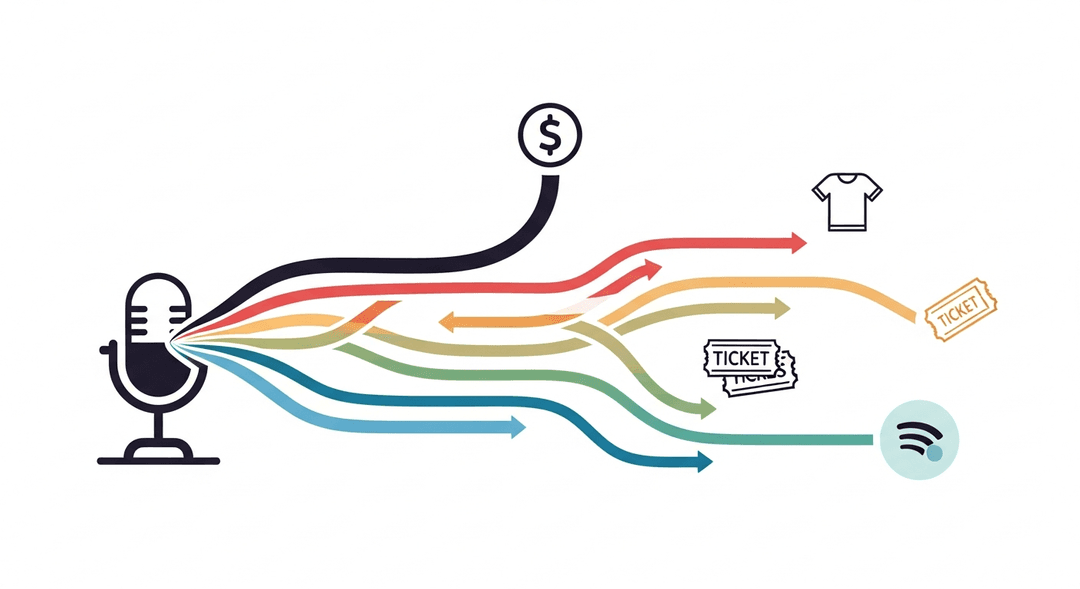
Once your merchandise is designed and produced, the next challenge is getting it to your fans efficiently. Effective music merch fulfillment and logistics are critical for a smooth customer experience.
Managing Orders: From Click to Customer Doorstep
A seamless order management process ensures that fans receive their items quickly and correctly, enhancing their overall experience with your brand.
- Overview of various music merch fulfillment models and how to choose the best fit for your current scale and resources.
- Best practices for order processing, packaging, and inventory management. Clear labeling and organized storage are key.
- Consider implementing an inventory tracking system, even if it's a simple spreadsheet, to avoid overselling and manage stock levels effectively.
Shipping Strategies & Customer Service Best Practices
Shipping can be complex, but with the right strategy and excellent customer service, you can turn potential headaches into positive interactions.
- Exploring shipping carriers, pricing strategies, and international shipping considerations. Research different carriers to find the best balance of cost and speed for your customers.
- Offer various shipping options, from economical to expedited, to cater to different customer needs.
- Establishing effective customer service for inquiries, returns, and exchanges. Clear communication and prompt responses build trust and loyalty.
- Provide tracking information for all orders, allowing customers to monitor their purchases from your store to their doorstep.
Marketing & Selling Your Merch to Maximize Independent Artist Income
Having great merchandise is only half the battle; you need a robust strategy to market and sell music merchandise effectively. Integration with your digital presence and proactive promotion are key.
Integrating Merchandise with Your Digital Presence & Fan Engagement
Your online platforms are powerful tools for showcasing and selling your merchandise. Make it easy for fans to discover and purchase your items wherever they connect with you.
- Strategies for seamlessly integrating your merch store with your website, social media, and streaming profiles. Use direct links and clear calls to action.
- How to leverage platforms like Spotify for Artists to connect with your fanbase directly. The official guide for Integrating Merchandise with Spotify for Artists provides actionable steps for musicians to link their merch store to their profile.
- Ensure your merchandise is visible on your Linktree, bio links, and any other aggregated online presence.
Effective Promotion Strategies for Artists
Beyond passive listings, active promotion will drive sales and create excitement around your merchandise offerings.
- Creative promotional tactics: bundling products for a discount, offering limited editions for exclusivity, running pre-orders for new releases, and providing exclusive fan offers to your most loyal supporters.
- Utilizing your professional electronic press kit (EPK) to include high-quality images and information about your merch when reaching out to media or venues.
- Allocate a portion of your independent artist marketing budget specifically for merch campaigns, whether it's for social media ads, email newsletters, or promotional giveaways.
- Run contests or giveaways where merch is the prize, generating excitement and increasing engagement.
- Showcase your merch on social media through unboxing videos, fan photos, and lifestyle shots.
Legal, Financial, and Business Growth for Your Merch Empire
Building a profitable merchandise business requires more than just creative designs and marketing; it also demands a solid understanding of the financial and legal aspects.
Pricing Your Merch for Profit & Value
Setting the right price for your merchandise is a delicate balance between covering your costs, making a profit, and offering perceived value to your fans.
- Calculate cost of goods sold (COGS) accurately to understand your baseline expenses for each item. This includes production, shipping to you (if applicable), and packaging.
- Determine optimal pricing for profitability and perceived value. Your pricing should reflect the quality of the product and your brand's standing.
- Consider tiered pricing for different items or bundles to encourage larger purchases.
- Research what similar artists are charging for their merchandise to ensure your prices are competitive yet fair.
Understanding Taxes, Copyright, and Your Legal Structure for Your Music Business
Navigating the legal and financial landscape is crucial for long-term success and compliance. Don't let these details deter you; they're an important part of doing business.
- Navigate sales tax obligations, which vary by location. Understand when and where you need to collect and remit sales tax.
- Protect your intellectual property rights for your designs. Copyrighting your unique artwork prevents unauthorized use by others.
- Understand different business structures and how they impact your merch operations, liability, and taxes. TunePact's guide on which legal structure suits your music business best can provide valuable insights.
- Tips for scaling your merchandise business as an independent artist, from expanding your product line to exploring new sales channels.
Frequently Asked Questions About Selling Music Merchandise
Here are answers to some of the most common questions independent artists have about selling merchandise.
How much money can an independent artist make from selling merch?
The income an independent artist can generate from selling merch varies widely based on factors like fanbase size, product pricing, profit margins, and marketing efforts. Some artists might make a few hundred dollars a year, while others with dedicated followings and strong strategies can earn thousands or even tens of thousands, significantly supplementing their independent artist income. Merch often offers much higher profit margins per unit than streaming royalties, making it a powerful revenue stream.
What are the most profitable music merchandise items for artists?
Generally, items with lower production costs and higher perceived value tend to be most profitable. Apparel like t-shirts and hoodies are consistent sellers, especially with unique designs. Smaller items like pins, stickers, and patches have low production costs and are easy to ship. Physical music formats, particularly vinyl, can command higher prices and have strong fan appeal despite higher production costs. Digital downloads or exclusive content bundles with physical merch can also increase profitability.
Do I need a business license or specific legal structure to sell merch as an artist?
Yes, typically you will need a business license or to register your business, depending on your local regulations. The specific requirements vary by city, state, and country. While you might start as a sole proprietor without formal registration, as your merch sales grow, it's wise to consider formalizing your business structure. Options range from sole proprietorships to LLCs. Understanding which legal structure suits your music business best is crucial for tax purposes, liability protection, and potential growth. It's always best to consult with a legal or financial professional regarding your specific situation.
How do I set up a print-on-demand store for my music merchandise?
Setting up a print-on-demand music merch store is relatively straightforward. First, choose a POD platform (e.g., Printful, Printify, Teespring, Redbubble). Second, create an account and connect it to your preferred e-commerce platform (like Shopify, WooCommerce, or even Etsy). Third, upload your merchandise designs and select the products you want to offer (t-shirts, mugs, posters, etc.). Fourth, set your prices and product descriptions. Finally, publish your products to your store. The POD provider handles printing, packaging, and shipping directly to your customers once an order is placed, eliminating the need for you to manage inventory.