Crafting a Music Onesheet: Your Digital Story for Industry Success
In the competitive world of independent music, standing out isn't just about your sound; it's about how effectively you tell your story. As an independent artist, you're not just a musician – you're a brand, a business, and your own publicist. This is where the music onesheet becomes your secret weapon, a dynamic and purpose-built tool designed to grab attention and open doors.
Forget the old-school printed pages; today's digital music press kit is a powerful, focused narrative tailored for specific industry opportunities. At TunePact, we understand the challenges artists face, and we're here to guide you through crafting compelling onesheets that speak directly to booking agents, publicists, radio stations, and labels, maximizing your outreach and professionalizing your presence.
Understanding the Music Onesheet: More Than Just an EPK
What Exactly is a Music Onesheet?
A music onesheet is a concise, high-impact promotional document or web page that highlights a specific project, goal, or aspect of your musical career. Unlike a broad overview, it's designed with a singular purpose in mind, making it incredibly effective for targeted outreach. Think of it as your digital elevator pitch, packed with the most crucial information an industry professional needs to know, presented quickly and clearly.
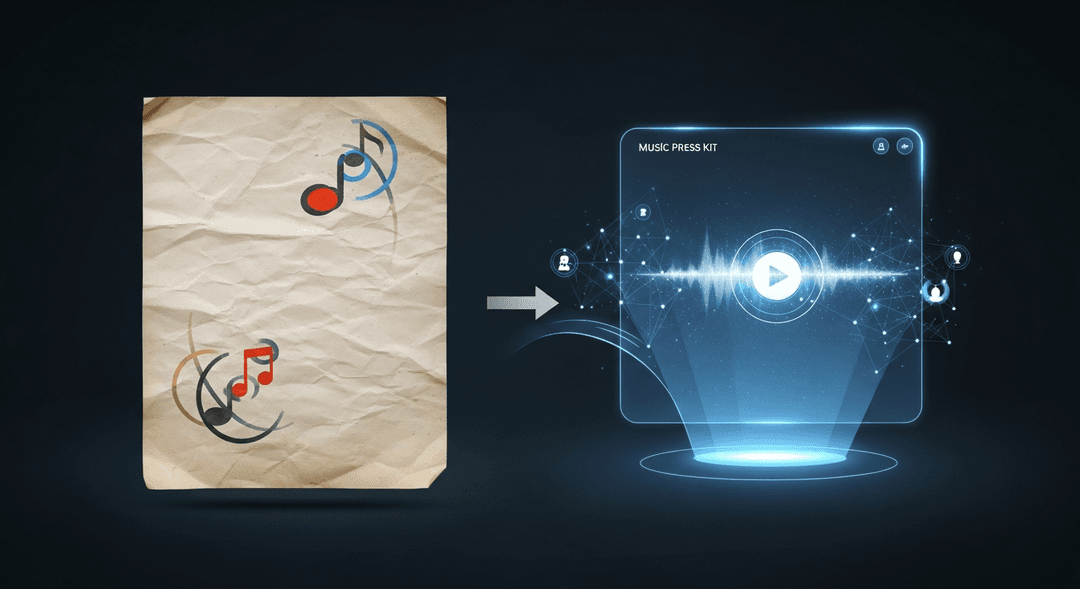
Historically, the "one-sheet" was literally a single printed page sent with a physical demo. Today, it has evolved into a dynamic online presence, accessible via a simple link. This digital format removes physical constraints, allowing for richer media and instant updates, making it an indispensable part of any modern music promotion strategy.
Onesheet vs. EPK: Knowing the Digital Difference
While often conflated, a music onesheet and an Electronic Press Kit (EPK) serve distinct purposes. An EPK is a comprehensive portfolio, a deep dive into your entire career, including your full bio, discography, high-resolution photos, multiple press clippings, and various videos. It's your complete professional dossier, ready for anyone who wants to learn everything about you.
A onesheet, however, is a focused distillation of your EPK, customized for a particular objective. For instance, you might have an EPK for your entire artist profile, but then create a specific onesheet just for your new single release, another for booking gigs, and yet another for pitching to film and TV supervisors. To learn more about creating a comprehensive EPK, you can explore resources like How to Build Your First Electronic Press Kit (EPK), or check out our guide on how to create a compelling Music EPK.
Why a Purpose-Built Onesheet is Your Strategic Advantage
Targeting Specific Industry Opportunities with Precision
In the fast-paced music industry, attention is a precious commodity. Industry professionals, from booking agents to music supervisors, are inundated with submissions. Sending a generic, sprawling EPK when they only need specific information is a surefire way to get overlooked. A purpose-built onesheet demonstrates that you respect their time and understand their needs.
By tailoring your content, you cut through the noise and deliver precisely what each contact requires. This precision is crucial for effective music industry networking. Whether you're aiming for a festival slot, a radio interview, or a sync licensing deal, a targeted onesheet makes your pitch relevant, powerful, and far more likely to succeed.
The Power of Focused Messaging in Your Music Promotion Strategy
A specialized onesheet allows you to craft a perfectly focused message. You can highlight the most relevant achievements, specific tracks, or unique selling points that align with your immediate goal. This prevents your most important information from getting lost in a sea of details, making your pitch clear and compelling.
For example, a onesheet for booking should emphasize your live performance prowess, while one for press should focus on your unique story and critical acclaim. This strategic approach maximizes your impact and improves your chances of conversion, showcasing your professionalism and preparedness in every interaction. It's a cornerstone of a smart and efficient music promotion strategy.
Essential Elements for a Powerful Music Onesheet
Core Components for Every Impactful Onesheet
While the content will vary based on your goal, every effective music onesheet shares a few core components that ensure clarity and professionalism. These elements form the backbone of your digital story, providing immediate context and compelling reasons for further engagement.
- Artist Name and Project Title: Clearly identify who you are and what you're promoting (e.g., your new single, upcoming album, or band project).
- Strong, Concise Hook or Pitch Statement: A captivating one-sentence summary that immediately conveys your sound, genre, or unique selling proposition. This is your chance to grab their attention instantly.
- Key Statistics, Achievements, or Press Quotes: Social proof is invaluable. Include impressive streaming numbers, notable awards, major festival appearances, or glowing excerpts from reputable publications.
- High-Quality Visuals: A professional artist photo, striking album art, and links to compelling music videos are non-negotiable. Visuals are often the first thing people notice.
- Clear Call to Action (CTA): What do you want them to do next? "Listen Now," "Book Us," "Read Review," "Watch Video," or "Contact for Licensing" are essential directives.
- Relevant Contact Information: A professional email address and, if applicable, a phone number for your manager or booking agent.
- Social Media Links: Direct links to your most active and relevant social media platforms, showcasing your audience engagement.
- Music Samples/Streaming Links: Provide direct links to specific tracks that best represent the project you're pitching, preferably on platforms like Spotify, Apple Music, or Bandcamp.
Crafting Compelling Copy and Engaging Visuals
Beyond simply listing facts, your onesheet needs to tell a story. Your copy should be engaging, professional, and free of jargon, speaking directly to the needs of the recipient. Use active voice and focus on benefits, not just features. For instance, instead of "We play rock music," try "Our electrifying rock anthems ignite festival stages with raw energy."
Equally important are your visuals. Invest in professional photography and videography. Blurry photos or poorly edited videos can undermine even the most compelling music. Remember, your visuals are often the first impression, so make them count. A clean, modern design that reflects your brand aesthetic will also significantly enhance your onesheet's appeal.
Tailoring Your Onesheet for Specific Industry Goals
This is where the true power of the music onesheet shines. Instead of a one-size-fits-all approach, you'll create specific versions optimized for different industry contacts. Here’s how to make a music onesheet for various opportunities, ensuring you present the most relevant information every time.
How to Make a Music Onesheet for Booking Agents and Venues
When pitching to venues and booking agents, their primary concern is your ability to draw a crowd and deliver a great live performance. Your onesheet should address these points directly.
- Focus: Live performance capabilities, audience draw, technical requirements.
- Key Elements:
- Live Performance Videos: High-quality footage showcasing your stage presence and audience engagement.
- Past Gig History: List notable venues played, support slots, and festival appearances.
- Audience Demographics/Draw: Provide numbers on typical attendance, social media reach, and any relevant fan data.
- Tech Rider/Stage Plot (link to PDF): Essential for venues to assess your technical needs.
- Availability: Clearly state your touring availability or preferred booking periods.
- Press Quotes: Specifically highlight reviews that praise your live show.
For more in-depth strategies on landing gigs, check out our guide on how to book more music gigs.
Digital Music Press Kit for Radio Stations and Playlists
Radio programmers and playlist curators are looking for tracks that fit their format, resonate with their audience, and have potential for airplay. Your onesheet needs to make their decision easy.
- Focus: Radio-ready tracks, genre fit, potential for audience engagement.
- Key Elements:
- Radio-Friendly Track: Link directly to the specific song you're pitching, ideally an uncompressed WAV or high-quality MP3 for download.
- Genre & Sub-genre: Be precise. "Indie Pop with a retro synth vibe" is more useful than just "Pop."
- Target Stations/Playlists: Mention similar artists or stations your music would fit alongside.
- Airplay History: List any previous radio spins, even on college or independent stations.
- Clean/Explicit Versions: Clearly state if the track is clean or explicit, and provide both if available.
- Metadata: Ensure your track has full metadata (artist, title, album, ISRC, etc.).
If you're looking to dive deeper into getting your music on the airwaves, our article on how independent artists can effectively promote music to radio offers valuable insights.
Artist Press Kit Examples for Media and Bloggers
Journalists, bloggers, and reviewers are looking for a compelling story, unique angles, and easy access to interview materials. Your onesheet for press should be rich in narrative and resources.
- Focus: Unique story, critical acclaim, interview opportunities, compelling visuals.
- Key Elements:
- Unique Story/Angle: What makes you or your music stand out? A compelling backstory, unusual creative process, or a powerful message.
- Critical Acclaim/Press Quotes: Highlight positive reviews from reputable sources.
- Interview Availability: Clearly state your willingness and availability for interviews.
- High-Resolution Press Photos: Provide a link to a folder with several diverse, professional photos for publication.
- Bio Snippet: A concise, engaging paragraph about you or your band.
- Links to Previous Coverage: Show that others have found your story newsworthy.
Onesheets for Music Licensing Opportunities
Music supervisors need to quickly assess if your music fits a specific mood, scene, or brand, and if it's easy to license. Your onesheet should streamline this process for them.
- Focus: Mood, genre, clear rights, previous placements, instrumental versions.
- Key Elements:
- Mood/Vibe Descriptors: Use evocative adjectives (e.g., "Uplifting Indie Folk," "Gritty Urban Hip-Hop," "Cinematic Atmospheric").
- Genre & Sub-genre: As with radio, be specific.
- Instrumental Versions: Crucial for many sync placements. Clearly indicate availability.
- Clear Rights & Ownership: State that your music is 100% owned and ready for licensing, or specify PRO affiliations.
- Previous Placements: Any past syncs in film, TV, ads, or games build credibility.
- Searchable Tags/Keywords: If the platform allows, use tags that supervisors might search for.
- Call to Action: "Contact for Licensing Inquiry" with direct contact details.
By customizing your artist press kit examples for each scenario, you demonstrate professionalism and significantly increase your chances of success across diverse industry opportunities.
8 Tips for Crafting a Winning Digital Music Onesheet
Best Practices for Impact and Readability
Creating a powerful music onesheet isn't just about the content; it's also about presentation. These best practices will ensure your onesheet is not only informative but also highly impactful and easy to digest for busy industry professionals.
- Keep it Concise and Scannable: Respect their time. Use bullet points, short paragraphs, and clear headings. Get straight to the point.
- Use High-Quality, Professional Assets: This includes audio, video, and images. Poor quality reflects poorly on your entire project.
- Ensure a Clear and Prominent Call to Action: Make it obvious what you want the recipient to do next. Don't make them search for it.
- Proofread Meticulously for Errors: Typos and grammatical mistakes can instantly undermine your credibility. Get a second pair of eyes to review it.
- Optimize for Mobile Viewing and Fast Loading: Many industry professionals will view your onesheet on their phones. Ensure it looks good and loads quickly on all devices.
- Update Regularly to Reflect Current Projects and Achievements: A stale onesheet with outdated information is ineffective. Keep it fresh with your latest news.
- Personalize for Each Recipient Where Possible: A quick personalized opening in your accompanying email, referencing why you're contacting them specifically, can make a huge difference.
- Track Engagement Metrics (if using a digital platform) to Refine Your Approach: If your onesheet platform offers analytics, use them! See what content gets clicked, how long people stay, and refine your approach based on data.
Leveraging Analytics and Feedback for Continuous Improvement
The beauty of a digital music onesheet is its flexibility. It's not a static document; it's a living, evolving representation of your current goals. Don't just create it and forget it. Regularly review its performance.
Are people clicking your music links? Are they watching your videos? If not, consider adjusting your layout, copy, or even the specific tracks you're featuring. Seek feedback from trusted peers or mentors. Continuous improvement is key to developing an increasingly effective music promotion strategy.
Streamlining Your Onesheet Creation with TunePact
Building Professional Digital Music Press Kits with Ease
Creating multiple, tailored music onesheets might sound daunting, but with the right tools, it's incredibly straightforward. TunePact is designed specifically to empower independent musicians like you to professionalize their outreach without needing a design degree or a massive budget.
Our platform offers intuitive features for easily creating professional and visually stunning onesheets for different goals. You can effortlessly switch out content, update tracks, and add new press quotes, ensuring your materials are always current and highly targeted. TunePact simplifies the process of making a music onesheet, so you can focus on your music.
Beyond the Onesheet: TunePact's Comprehensive Artist Tools
TunePact goes beyond just helping you build powerful onesheets. We offer a suite of tools designed for the modern independent artist, integrating seamlessly to support every aspect of your career. From fan management and analytics to distribution and collaboration tools, TunePact provides a holistic approach to your music business.
By centralizing your promotional materials and artist data, TunePact helps you manage and update your entire promotional strategy with ease. This integration ensures that your focused onesheets are always backed by a strong, consistent artist profile, making your music industry networking efforts more effective and your overall career management more streamlined.
Frequently Asked Questions about Music Onesheets
What is the main difference between a music onesheet and an EPK?
The main difference lies in their scope and purpose. An EPK (Electronic Press Kit) is a comprehensive, broad collection of all your artist information, designed to provide a complete overview of your career. It's like your full professional resume. A music onesheet, on the other hand, is a concise, purpose-built document or web page focused on a single objective or project, such as promoting a new single, booking a specific type of gig, or pitching for licensing. It's a targeted, summarized version of the most relevant information from your EPK.
How many pages should a digital music onesheet ideally be?
Despite the name "onesheet," a digital version isn't strictly limited to a single physical page. However, the core principle of conciseness remains paramount. Ideally, a digital music onesheet should be navigable and digestible within a minute or two, presenting its key information prominently above the fold or on the initial screen. While it might scroll to include more details, every element should be purposeful and contribute to the specific goal. Think of it as a highly focused landing page, rather than a multi-page document.
What are the most crucial elements to include in a music onesheet?
While specific content varies by goal, the most crucial elements for any effective music onesheet include: a clear artist name and project title, a strong and concise hook/pitch statement, compelling high-quality visuals (artist photo, album art), direct links to specific music samples, key achievements or press quotes, relevant contact information, and a very clear call to action (e.g., "Listen Now," "Book Us"). These elements collectively ensure immediate impact and guide the recipient to their next step.
Can I use the same onesheet for different purposes, like booking and press?
While you could use the same onesheet, it's highly recommended against doing so if you want to maximize your effectiveness. The strength of a music onesheet lies in its tailored focus. A booking agent needs to see your live experience and draw, while a journalist wants a unique story and high-res press photos. Using a generic onesheet dilutes your message and makes it harder for the recipient to find the specific information they need. Creating multiple, purpose-built onesheets for different goals is a hallmark of a professional and strategic music promotion strategy.