
How Independent Artists Book Tours Without an Agent
Embarking on a music tour as an independent artist can feel like a daunting challenge, especially without the backing of a booking agent. Yet, in today's dynamic music industry, a DIY approach offers unparalleled control, direct fan engagement, and the invaluable experience of building your career from the ground up. This comprehensive guide from TunePact will equip you with the strategies, tools, and insights needed to successfully navigate the world of independent touring. Get ready to transform your ambition into action and hit the road on your own terms.
Introduction: Mastering the Art of DIY Music Tour Booking
The landscape of the music industry has shifted dramatically, empowering independent artists more than ever before. While major labels and booking agencies once held the keys to touring success, the digital age has opened doors for self-starters to connect directly with fans and venues. This shift means that mastering DIY Music Tour Booking isn't just a possibility; it's a powerful pathway for growth.
Why Go DIY? The Benefits and Challenges
Choosing the DIY route for your tour offers significant advantages. You maintain complete creative control over your schedule, venues, and artistic vision. It allows for direct negotiation, which can lead to better deals and a deeper understanding of the business side of music. Moreover, it fosters a stronger connection with your audience and the local music scenes you visit.
However, going DIY also comes with its challenges. It demands significant time, meticulous organization, and a steep learning curve. Without an agent, you're responsible for everything from research and outreach to contract negotiation and logistics. It requires resilience, adaptability, and a proactive mindset to overcome inevitable hurdles.
Your Blueprint for Independent Touring Success
This guide is designed to be your blueprint, breaking down the complex process of booking a tour into manageable steps. We'll cover everything from strategic planning and crafting a compelling press kit to mastering outreach and managing tour logistics. Our goal is to demystify the process and provide actionable advice that empowers you to book successful tours, maximize your impact, and minimize stress.
Strategic Planning: Your Essential Music Tour Planning Guide
Before you even think about contacting venues, a robust strategic plan is essential. This foundational step will save you time, money, and frustration down the line. Think of it as mapping out your journey before you leave home.
Defining Your Tour's Purpose and Scope
Every successful tour starts with a clear "why." Are you promoting a new album or single? Looking to expand your fanbase in specific regions? Or is your primary goal to generate revenue and sustain your music career? Defining your tour's purpose will guide all subsequent decisions, from route selection to marketing efforts. Understanding your objectives helps in making informed choices about the kind of venues you target and the overall structure of your tour.
Spotify for Artists offers excellent insights into how to approach touring with a clear purpose. Their Strategic Touring Tips from Spotify for Artists emphasize the importance of data-driven decisions and smart planning to build a sustainable touring career.
Market Research: Where Are Your Fans?
Knowing where your fans are concentrated is paramount for an effective music tour planning guide. Utilize data from your streaming platforms, social media analytics, and past gig attendance to pinpoint cities and regions with strong listenership and engagement. This data-driven approach allows you to focus your efforts where they're most likely to yield results.
Platforms like TunePact provide tools to leverage fan analytics to pinpoint your strongest markets. By understanding your audience's demographics and geographic locations, you can make informed decisions about where to tour, ensuring your efforts are targeted and efficient. Consider also researching local music scenes, understanding their genre preferences, and identifying potential supporting acts.
Setting Realistic Goals and Expectations
It's crucial to set achievable goals for your independent tour. Start small if you're new to touring, perhaps a regional run rather than a cross-country epic. Understand the different venue types—from intimate coffee shops and listening rooms to larger clubs—and how they align with your current audience size and sound. Create a realistic timeline for booking, promotion, and travel, and develop an initial budget overview that accounts for all potential expenses. This foresight is a key component of any effective independent artist touring strategy.
Crafting Your Compelling Artist Press Kit for Venues
Your Electronic Press Kit (EPK) is your digital handshake with venues and promoters. It's your opportunity to make a strong first impression and demonstrate why you're a valuable addition to their stage. A well-constructed EPK is critical for any artist looking to master how to book music venues.
The Essentials of a Digital Press Kit (EPK)
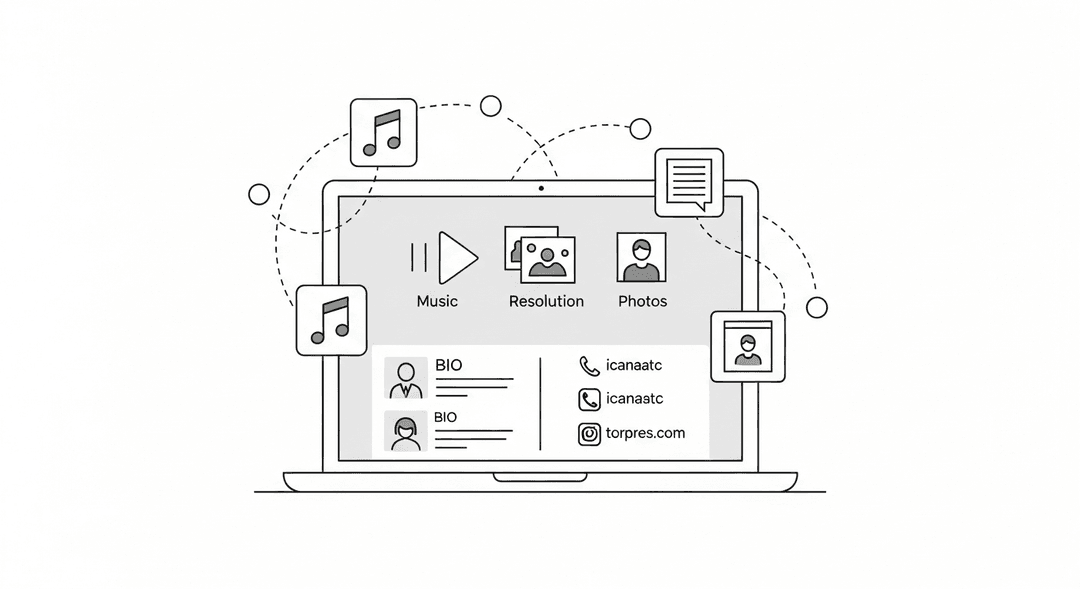
A comprehensive EPK should be professional, easy to navigate, and contain all the essential information a booker needs. Here's what to include:
- Professional Bio: A concise yet compelling narrative about your music, accomplishments, and unique selling points.
- High-Quality Music: Links to your best tracks (Spotify, Bandcamp, SoundCloud) and ideally, a private link to unreleased material if applicable.
- High-Resolution Photos: Professional band or artist shots suitable for promotional materials.
- Live Performance Videos: Clips that showcase your stage presence and sound quality.
- Press Mentions & Testimonials: Quotes from reviews, articles, or industry professionals.
- Technical Rider & Stage Plot: Details about your equipment needs, sound requirements, and stage setup.
- Contact Information: Clear and easy-to-find contact details for booking inquiries.
For more detailed guidance on creating a powerful digital presence, check out TunePact's article on crafting a compelling musician onesheet, which can serve as a concise version of your EPK for quick reference.
Writing a Pitch That Gets Noticed
Your pitch email is where your EPK truly comes to life. It needs to be concise, professional, and directly address the venue's needs. Avoid generic templates; instead, personalize each email to the specific venue and booker. Start with a clear subject line that includes your band name and the proposed date(s). In the body, introduce yourself briefly, highlight why your music is a good fit for their venue, and provide a direct link to your EPK. Always include a clear call-to-action, such as "We'd love to discuss potential dates for [specific month/season]."
Tailoring Your Outreach for Maximum Impact
Personalization is key when reaching out to venues. Research the venue's booking history, the types of acts they host, and even the booker's name. Mentioning a specific show you enjoyed there or an artist they frequently book can show you've done your homework. This tailored approach demonstrates professionalism and respect for their time. Clearly state your proposed dates, availability, and any unique selling points your act offers, such as a strong local following or a unique sound that would appeal to their audience. Elevating your online presence is crucial for this, as discussed in TunePact's guide to elevate your online presence to unlock more gigs.
Mastering Outreach: How to Book Music Venues Effectively
Once your EPK is polished, it's time to engage in the crucial work of outreach. This is where the rubber meets the road in learning how to book music venues on your own.
Identifying and Researching Potential Venues
Finding the right venues is a blend of research and networking. Start by looking at online directories, local music blogs, and social media pages of bands similar to yours. Pay attention to where they play. Don't hesitate to ask other independent artists for recommendations—they are a valuable source of information on venues that are artist-friendly and suitable for your genre.
When researching, consider venue capacities, their typical genre focus, and their booking cycles. Some venues book months in advance, while others might have last-minute openings. Look for contact information for booking managers directly; avoid sending general inquiries to info@ email addresses if possible. This targeted approach is a core part of effective music industry networking for tours.
The Art of the Follow-Up
Booking managers are incredibly busy, so a polite and persistent follow-up is often necessary. If you don't hear back within a week or two of your initial email, send a brief, courteous follow-up. Reiterate your interest and re-attach your EPK link. Avoid multiple daily emails or aggressive tactics, as this can be counterproductive. A good rule of thumb is one follow-up per week for a couple of weeks, then move on if there's still no response. Remember, no response isn't always a "no," but rather an indication that the fit might not be right or they're simply overwhelmed.
Negotiating Deals and Understanding Contracts
When a venue shows interest, be prepared to discuss terms. Common payment structures include a guarantee (a fixed amount), a door split (a percentage of ticket sales), or a combination of both. Understand what percentage of merchandise sales the venue typically takes. Don't be afraid to negotiate, especially if you have a strong draw or can bring in a supporting act. Always ask for a written contract that clearly outlines:
- The date, time, and duration of your performance.
- Payment terms (guarantee, door split, or both).
- Merchandise split.
- Sound and lighting provisions (e.g., sound engineer, basic light package).
- Load-in and soundcheck times.
- Cancellation policies for both parties.
Reading and understanding every clause is vital. If something is unclear, ask for clarification before signing. This careful attention to detail protects you and ensures a smooth engagement.
Independent Artist Touring Strategy: Logistics & Financials
Booking the shows is only half the battle. Executing a successful tour requires meticulous planning of logistics and careful financial management. This is a crucial aspect of your overall independent artist touring strategy.
Budgeting Beyond the Stage: Travel, Accommodation, Food
A comprehensive budget must extend beyond just the show fees. Account for all potential expenses:
- Transportation: Fuel, vehicle maintenance, tolls, parking, or public transport costs.
- Accommodation: Hotels, Airbnb, or even budgeting for sleeping in your vehicle if necessary. Consider asking friends or fans in different cities if they can host.
- Food & Drink: Eating out can quickly deplete funds. Plan to cook meals when possible or pack snacks.
- Equipment: Strings, drumsticks, cables, and emergency repairs.
- Merchandise Production: Costs for t-shirts, CDs, vinyl, stickers, etc.
- Contingency Fund: Always set aside money for unexpected emergencies like vehicle breakdowns or last-minute cancellations.
Understanding the financial realities is key. Indie Artist Tour Earnings and Profitability Data from Side Door offers valuable insights into what independent artists typically make on tour, helping you set realistic financial expectations.
Optimizing Your Tour Route and Schedule
Route planning is crucial for minimizing travel time, reducing costs, and maximizing show opportunities. Use mapping tools to plot the most efficient path between cities. Try to book shows in a logical geographical sequence rather than zig-zagging across states. Consider travel time between venues, allowing for adequate rest and contingency for delays. Avoid booking back-to-back long-distance drives. Aim for a balance between performance days and travel/rest days to prevent burnout and ensure you're at your best for every show.
Merchandise Strategy and On-Site Sales
Merchandise is often a vital revenue stream for independent artists on tour and an excellent way to connect with fans. Plan your merch inventory carefully, considering what items your fans are most likely to buy (e.g., t-shirts, vinyl, CDs, stickers). Make sure your merch display is appealing and well-lit. Have a system for accepting payments (cash, card readers like Square, or Venmo/PayPal). Engage with fans at your merch table; it's a prime opportunity for personal connection and building loyalty. Clearly price your items and be ready to make change.
Building Your Network: Music Industry Networking for Tours
Touring isn't just about playing shows; it's about building relationships. Effective music industry networking for tours can lead to future opportunities, collaborations, and a stronger support system.
Connecting with Local Artists and Promoters
Before and during your tour, make an effort to connect with local artists and promoters. They can offer invaluable insights into the local scene, recommend other venues, and even suggest potential supporting slots for future tours. Collaborating with local acts on shared bills is a fantastic way to cross-pollinate audiences and gain exposure in new markets. Attend other local shows, introduce yourself, and genuinely engage with the community. These connections are the lifeblood of a sustainable touring career for independent musicians.
Leveraging Social Media for Tour Promotion
Social media is your most powerful tool for promoting your tour. Start building buzz weeks or months before your first show with announcements, behind-the-scenes content, and ticket links. During the tour, use platforms like Instagram, TikTok, and Facebook to post live updates, share stories from the road, and engage with fans in each city. Encourage attendees to tag you in their posts. After each show, thank the venue, the supporting acts, and especially your fans. Consistency and authenticity are key to turning social media followers into active show-goers.
Cultivating Fan Connections for Long-Term Success
Beyond the stage, actively cultivating your fan base is crucial for enduring success. Collect email addresses at your merch table or through sign-up sheets. Engage with fans before, during, and after shows. Respond to comments and messages online. Offer exclusive content or early access to new music for your most loyal supporters. Building these deep connections transforms casual listeners into dedicated fans who will support your music, spread the word, and show up to your next tour. TunePact offers insights into cultivating deep fan connections, providing lessons from top artist brands on building lasting relationships with your audience.
After the tour, follow up with venues and promoters to thank them and express interest in returning. Send thank-you notes to any hosts or supporting acts. A gracious and professional attitude leaves a positive impression and opens doors for future opportunities in your DIY Music Tour Booking journey.
Frequently Asked Questions
How far in advance should I start booking a DIY music tour?
For a regional tour, it's advisable to start outreach at least 3-4 months in advance. For a more extensive national tour, 6-9 months is often more appropriate. This timeline allows ample time for venue responses, negotiations, promoting the shows, and coordinating logistics like travel and accommodation. Popular venues and weekend slots fill up quickly, so early planning increases your chances of securing preferred dates.
What should an independent artist's press kit include for venues?
An independent artist's press kit (EPK) for venues should include a professional bio, high-quality music links (preferably streamable), high-resolution photos, compelling live performance videos, relevant press mentions or testimonials, a technical rider/stage plot, and clear contact information. The goal is to provide a comprehensive yet concise overview that showcases your professionalism and performance capabilities. Ensure all links are active and easily accessible.
How can I find music venues that book independent artists without an agent?
You can find venues by researching local music scenes online, checking the tour schedules of similar independent artists, looking at local music blogs and event listings, and networking with other bands for recommendations. Websites like Indie on the Move, Gigmor, or local venue directories can also be helpful starting points. Many smaller venues and DIY spaces are actively looking for independent talent to fill their calendars.
Is it really possible to make money touring as an independent artist?
Yes, it is absolutely possible to make money touring as an independent artist, though it often requires careful planning and realistic expectations. Revenue streams typically include performance fees (guarantees or door splits), merchandise sales, and potentially crowdfunding or grants. By meticulously budgeting, optimizing your route, promoting effectively, and fostering strong fan connections, you can cover your expenses and even generate profit. Many independent artists start small, building their touring capabilities and income gradually over time.
