Human Artistry Campaign: AI Music Tools for Creatives
In an increasingly digital world, artificial intelligence (AI) is transforming every industry, and music is no exception. For independent musicians, the rise of AI music tools presents both exciting opportunities and significant challenges. How can you leverage these powerful technologies to enhance your creativity without compromising your artistic integrity or navigating complex legal landscapes? TunePact is here to guide you through this evolving frontier, empowering you to harness AI responsibly and effectively.
This post delves into the crucial Human Artistry Campaign, explores the intricacies of AI music copyright, and showcases how you can ethically integrate AI for musicians into your creative and business processes. We'll also highlight TunePact's commitment to supporting artists in this new era, ensuring your unique human artistry remains at the forefront.
The Human Artistry Campaign: Protecting Musicians in the Age of AI Music Generation
The rapid advancement of AI music generation has sparked vital conversations across the music industry. As algorithms become more sophisticated, concerns about the ethical use of AI and the protection of human creators have grown. This is precisely where the Human Artistry Campaign steps in, advocating for principles that safeguard artists and foster responsible innovation.
Core Principles of the Human Artistry Campaign
The Human Artistry Campaign is a broad coalition of unions, trade associations, and policy experts committed to ensuring that AI supports, rather than supplants, human culture and artistry. Its mission is to establish a framework where AI tools are developed and used in ways that respect creators' rights, ensure fair compensation, and promote transparency.
Key principles advocated by the campaign include securing artist consent for the use of their work in AI training data, ensuring proper attribution, and establishing clear guidelines for compensation when AI-generated content utilizes existing artistic works. These principles are crucial for maintaining a healthy and equitable creative ecosystem. You can learn more about these foundational guidelines by reading the Human Artistry Campaign Announces AI Principles.
The campaign emphasizes the inherent dangers of AI replacing human creativity. Industry leaders and artists alike have voiced strong opinions against the unauthorized use of copyrighted material to train AI models. This unauthorized use not only undermines the value of human artistic output but also poses a significant threat to the livelihoods of creators worldwide.
Prominent figures like Cyndi Lauper and Bonnie Raitt have actively joined the 'Stealing Isn't Innovation' campaign, which directly challenges AI companies for exploiting copyrighted material without permission or compensation. Their involvement highlights the widespread concern among artists regarding the ethical implications of AI's development. This powerful movement underscores the need for robust legal and ethical frameworks to protect creators. Further details on artists joining the 'Stealing Isn't Innovation' AI licensing campaign illustrate the collective stance against these practices.
The Role of TunePact in Upholding These Principles
At TunePact, we wholeheartedly align with the Human Artistry Campaign's principles. Our platform is built on the foundation of empowering independent artists and protecting their creative output. We believe that AI music tools should serve as powerful assistants, augmenting your unique talent rather than diminishing its value.
We are committed to providing resources and tools that help you navigate the AI landscape responsibly. This includes offering guidance on ethical AI use, protecting your intellectual property, and ensuring you have the knowledge to make informed decisions about integrating AI into your workflow. Our support aims to help independent artists thrive in this new technological era, always prioritizing human artistry.
Navigating AI Music Copyright: A Guide for Independent Artists
One of the most pressing concerns for musicians exploring AI music generation is copyright. The legal landscape surrounding AI-generated content is complex and rapidly evolving, presenting unique challenges for independent artists seeking to protect their work and avoid infringement.
Understanding Copyright Law in the Context of AI-Generated Music
Currently, the legal framework for copyright ownership of AI-generated music is largely undefined and varies by jurisdiction. Generally, copyright law requires a human author. This means that purely AI-generated works, without significant human creative input, may not be eligible for copyright protection in many regions, including the United States.
The challenges intensify when AI models are trained on existing copyrighted material without explicit permission. This practice raises serious questions about derivative works and potential infringement. Artists must be vigilant about the provenance of the data used by any AI music tools they employ.
Understanding ownership becomes even more convoluted when an artist uses AI as a collaborative tool. If the AI provides a melody or lyrical suggestion that is then substantially refined and developed by a human, the human author may claim copyright. However, the exact percentage of human input required for copyright eligibility remains a grey area.
Best Practices for Ethically Using AI in Music Production
To navigate these complexities, independent artists should adopt several best practices when integrating AI music production into their process:
- Source Transparency: Always investigate the data sources used by any AI tool. Opt for tools that use licensed, public domain, or openly available datasets to minimize copyright risks.
- Human Oversight: Ensure that AI serves as a tool for inspiration or assistance, not as a replacement for your creative input. Substantial human modification and arrangement of AI-generated ideas are critical for establishing your authorship.
- Obtain Licenses: If you use AI-generated elements that might draw from copyrighted material, seek necessary licenses and permissions. This is particularly important for vocal samples or distinct melodic phrases.
- Disclosure: Be transparent about your use of AI in your music creation process. While not legally mandated in all cases, disclosing AI involvement fosters trust with your audience and the industry.
- Stay Informed: Copyright law is evolving. Regularly check for updates from legal experts and industry organizations. Resources like those offered by the U.S. Copyright Office can provide valuable insights.
TunePact keeps a close eye on these developments and advises artists on how to best protect their intellectual property. For instance, understanding Spotify's AI policy and its impact on artists is crucial for anyone distributing music on major platforms.
Leveraging AI for Musicians: Enhancing Creativity, Not Replacing It
Far from being a threat, AI music tools can be incredibly powerful allies for independent musicians. The key is to view AI as a sophisticated assistant, capable of augmenting your creative process, streamlining tedious tasks, and opening new avenues for expression. AI should enhance your unique human artistry, not diminish it.
Exploring AI Music Tools for Songwriting and Composition
For songwriters and composers, AI offers a wealth of innovative possibilities. These tools can assist in various stages of creation:
- Melody Generation: AI can generate countless melodic ideas based on your preferred genre, mood, or scale, serving as a springboard for your own compositions.
- Harmonic Suggestions: Struggling with a chord progression? AI can suggest sophisticated harmonies that fit your melody, expanding your musical vocabulary.
- Lyrical Inspiration: AI-powered writing assistants can help overcome writer's block by generating lyrical themes, rhyming suggestions, or even full verses based on your input.
- Arrangement Assistance: Experiment with different instrumentations and arrangements using AI tools that can suggest how various elements might fit together.
Remember, these tools are designed to inspire and assist. Your role as the artist is to curate, refine, and imbue the AI's output with your unique voice and emotion. For example, platforms are starting to roll out features like YouTube Music's AI tool for instant soundtracks, which demonstrates how AI can provide a quick, copyright-free starting point for creators.
AI-Powered Music Production Techniques
Beyond composition, AI music production tools can revolutionize your studio workflow:
- Mixing and Mastering: AI-driven plugins can analyze your tracks and suggest optimal EQ, compression, and reverb settings, or even perform basic mastering tasks, giving you a professional starting point.
- Sound Design: AI can help generate unique sound effects, textures, and synth patches, expanding your sonic palette beyond traditional instruments.
- Vocal Processing: From pitch correction to harmony generation, AI tools can fine-tune vocals, creating polished and professional-sounding tracks.
- Drum Pattern Generation: AI can generate complex and genre-appropriate drum beats and fills, saving you time and offering fresh rhythmic ideas.
By leveraging these tools, you can focus more on the creative aspects of your music, leaving some of the more technical or repetitive tasks to AI. This allows for greater experimentation and efficiency in your production process.
Using AI for Music Marketing and Promotion
AI for musicians extends well beyond creation into the realm of business and promotion. AI can significantly streamline your marketing efforts, helping you reach the right audience more effectively:
- Audience Analysis: AI can analyze vast amounts of data to identify your ideal audience demographics, listening habits, and preferred platforms, allowing you to tailor your marketing campaigns with precision.
- Content Creation: Use AI to generate ideas for social media posts, blog articles, or email newsletters based on your music and target audience. It can also help with creating compelling ad copy.
- Campaign Optimization: AI algorithms can optimize your ad spend by identifying the most effective channels and times to reach your audience, maximizing your return on investment.
- Personalized Engagement: Deliver personalized content recommendations or messages to your fans based on their past interactions and preferences, fostering deeper connections.
TunePact offers specialized tools to help with this. Our TunePact's AI music marketing planner is designed to give independent artists a strategic edge, helping you craft and execute effective promotional campaigns. Combining AI insights with a solid crafting a winning music marketing strategy is essential for success in today's competitive music landscape.
TunePact's Approach to AI: Empowering Independent Artists
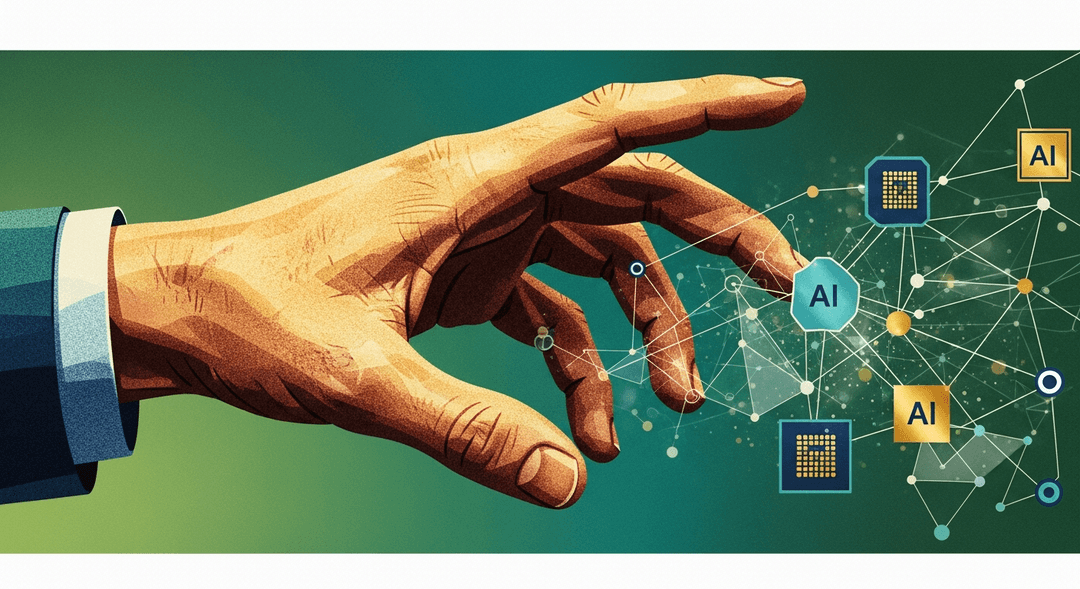
At TunePact, we believe that AI, when used responsibly and ethically, can be a game-changer for independent musicians. Our platform is continuously evolving to integrate AI music tools that genuinely support your career, from creation to promotion and fan management.
How TunePact is Integrating AI to Support Musicians
We are committed to building AI capabilities into our platform that serve your needs directly. Our focus is on practical, actionable AI solutions that save you time, enhance your reach, and amplify your creative potential. We're leveraging AI to:
- Streamline Marketing: As mentioned, our TunePact's AI music marketing planner helps you strategize and execute targeted campaigns, analyzing audience data and recommending optimal promotional tactics.
- Optimize Distribution: AI can help identify the best platforms for your genre and audience, ensuring your music reaches the right listeners.
- Enhance Fan Engagement: Future AI features will aim to help you understand your fan base better, enabling more personalized interactions and community building.
Our goal is to democratize access to sophisticated technology, leveling the playing field for independent artists against larger labels and established acts.
Our Commitment to Ethical AI Practices
TunePact's integration of AI is guided by a strong commitment to ethical principles. We prioritize:
- Transparency: We will always be clear about how AI is used within our tools and how it impacts your data and creative output.
- Fairness: Our AI models are developed with fairness in mind, avoiding bias and ensuring equitable opportunities for all artists.
- Artist Rights: We respect your intellectual property and work to ensure that any AI-assisted features on our platform uphold your rights as a creator.
- Human Control: Our AI tools are designed to be assistive, giving you ultimate control over your creative and business decisions.
We believe that trust is paramount. By adhering to these ethical guidelines, we aim to build a platform where you can confidently explore the benefits of AI without fear of exploitation or infringement. We encourage all artists to explore the benefits of TunePact's AI-powered tools and resources.
The Future of AI in Music: Trends and Predictions
The journey of AI in music is just beginning. As technology continues to advance, we can expect even more profound shifts in how music is created, consumed, and experienced. Staying informed about these trends is key for independent artists looking to future-proof their careers.
Emerging AI Technologies in the Music Industry
The horizon of AI music generation is filled with exciting possibilities. We anticipate advancements in:
- Hyper-realistic Vocal Synthesis: AI will create increasingly indistinguishable vocal performances, allowing artists to experiment with different voices or even clone their own for various projects.
- Personalized Soundscapes: AI will generate adaptive music that responds to a listener's mood, activity, or environment, creating truly unique auditory experiences.
- Interactive Composition: Tools that allow real-time, collaborative composition between humans and AI, blurring the lines between creator and assistant.
- Enhanced Metadata and Discovery: AI will become even more adept at analyzing musical characteristics, improving how music is categorized, searched, and recommended to listeners.
These emerging technologies promise to further democratize music creation and open new avenues for artistic expression that were previously unimaginable.
The Role of AI in Shaping Music Consumption
AI is already a central player in how we consume music, powering recommendation engines on streaming platforms. In the future, this role will intensify:
- Personalized Playlists: AI will create highly tailored playlists that adapt dynamically to a listener's preferences and current context.
- Dynamic Remixes: AI could generate personalized remixes of existing songs, adjusting tempo, instrumentation, or genre based on individual taste.
- Interactive Experiences: AI will facilitate interactive music experiences, where listeners can influence aspects of a song in real-time.
These advancements mean that artists will need to think about how their music can be discovered and enjoyed within increasingly personalized and interactive consumption models. Understanding these shifts is part of staying ahead of the curve in music industry trends and predictions.
Preparing for the Evolving Landscape of AI Music
For independent artists, adapting to this evolving landscape is crucial. Here's how you can prepare:
- Stay Curious: Experiment with new AI music tools as they emerge. Don't be afraid to integrate them into your workflow in creative ways.
- Educate Yourself: Continuously learn about the legal, ethical, and technological aspects of AI in music.
- Focus on Uniqueness: While AI can generate ideas, your unique human perspective, emotion, and storytelling will always be your most valuable assets.
- Advocate for Artists: Support campaigns like the Human Artistry Campaign that champion fair practices and artist rights in the age of AI.
As MIDiA Research on why the music industry needs to learn to live with AI highlights, adaptation is not just an option, but a necessity for the industry's continued growth and relevance. By embracing AI thoughtfully and ethically, independent artists can continue to innovate and thrive.
Frequently Asked Questions About AI Music Generation
The world of AI in music can raise many questions. Here are some common inquiries from independent artists, along with clear and concise answers.
How does AI impact copyright law for musicians?
AI significantly impacts copyright law by creating ambiguity around authorship and ownership. Generally, for a work to be copyrighted, it needs a human author. Purely AI-generated music, without substantial human creative input, may not be eligible for copyright protection. Additionally, AI trained on copyrighted material without permission raises concerns about infringement and derivative works. The law is still evolving to address these complexities, making it crucial for artists to understand the origins of their AI-assisted creations.
What are the ethical considerations when using AI music tools?
Ethical considerations for using AI music tools include ensuring transparency about AI's role in your creative process, respecting existing copyrights by using AI tools trained on ethically sourced data, and maintaining human oversight to prevent AI from replacing, rather than augmenting, human creativity. It's also important to advocate for fair compensation models that protect human artists as AI becomes more prevalent.
How can AI enhance, not replace, human creativity in music?
AI enhances human creativity by serving as a powerful assistant. It can generate ideas for melodies, harmonies, lyrics, or drum patterns, helping artists overcome creative blocks and explore new sonic territories. AI can also streamline tedious production tasks like mixing and mastering, freeing up artists to focus on artistic expression. By taking on repetitive elements, AI for musicians allows more time for human intuition, emotion, and unique artistic vision to shine through, ultimately expanding creative possibilities.
What are the key principles of the Human Artistry Campaign?
The Human Artistry Campaign advocates for core principles centered on protecting human creators in the age of AI. These include ensuring artists' consent for their work to be used in AI training, fair compensation for the use of copyrighted material by AI, transparency regarding AI's involvement in creative works, and the overall safeguarding of human creativity and artistic integrity. The campaign aims to establish a framework where AI supports, rather than erodes, human culture and artistry.


