
Design Your Music Booking Page to Consistently Book More Gigs
As an independent musician, your talent and passion for music are undeniable. But how do you translate that into consistent live performance opportunities? The secret often lies in more than just your sound; it's about your professionalism, accessibility, and strategic outreach. A well-designed music booking page on your website isn't just a digital brochure; it's a powerful tool to help you book more music gigs and streamline your entire booking process.
At TunePact, we understand the hustle. This guide goes beyond simply creating a page; we'll show you how to optimize your music website's booking form and outreach strategy to consistently convert inquiries into confirmed gigs. Get ready to leverage smart communication and fan engagement to elevate your music career.
The Foundation: Building Your High-Converting Music Booking Page
Your booking page is the digital storefront for your live performances. It's often the first impression a venue owner, promoter, or event planner gets of your professionalism and readiness to perform. Don't underestimate its power to help you get music gigs.
Essential Elements for a Seamless User Experience
A successful music booking page must be intuitive, informative, and persuasive. It needs to provide all the crucial details a potential booker might need without overwhelming them. Think of it as your 24/7 assistant, ready to answer questions and present your best self.
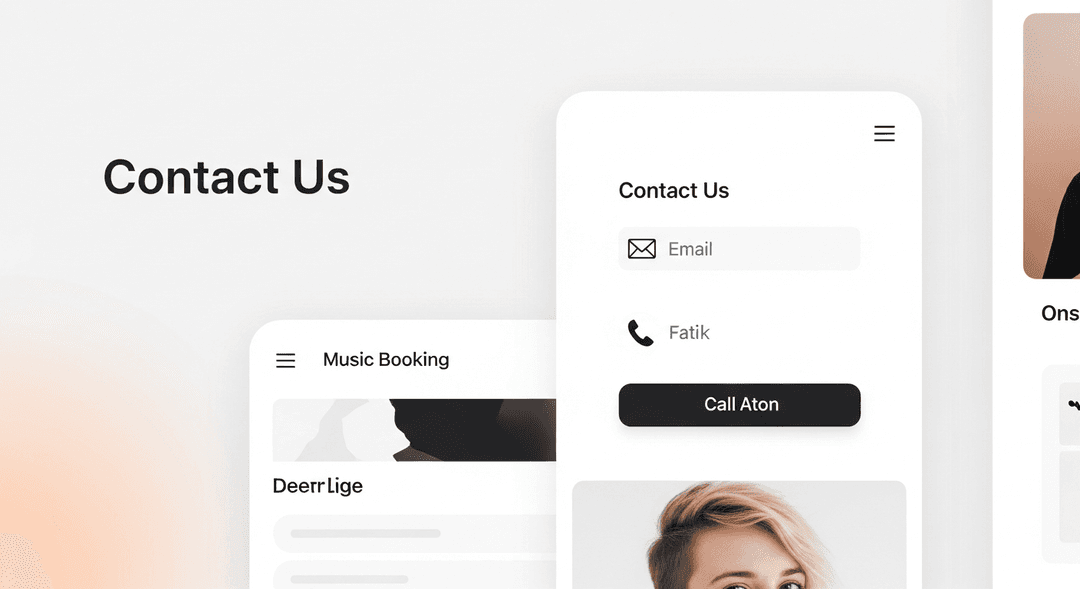
- Clear Contact Information: Make it effortless for bookers to reach you. Include an email address and a phone number, clearly visible and easy to copy. For a deeper dive into essential contact elements, check out our guide on crucial elements for your musician contact page.
- Compelling Performance Samples: Showcase your best work! Embed high-quality videos of live performances, studio recordings, and professional photos. This visual and auditory proof is critical for selling your live show experience.
- Accessible Electronic Press Kit (EPK): Provide a direct link to your EPK. This comprehensive document should include your bio, high-res photos, music links, press clippings, and technical rider. Learn more about the essential elements for your Electronic Press Kit (EPK).
- Testimonials and Past Performance Highlights: Social proof is incredibly powerful. Feature quotes from past clients, venue managers, or press reviews. List notable venues you've played or events you've performed at to build credibility.
- Genre and Style Description: Clearly articulate your musical style and what kind of events you're best suited for. This helps bookers quickly determine if you're a good fit for their needs.
Remember, the overall design and functionality of your artist website play a huge role in how effective your booking page is. Ensure your entire site is professional and easy to navigate. Our article on how to build a great independent musician website offers comprehensive advice.
Crafting Your Compelling Call-to-Action and Booking Form
Once you've captured a booker's interest, you need to guide them directly to the next step: making an inquiry. This is where your call-to-action (CTA) and booking form shine. A well-designed music website booking form simplifies the inquiry process for both parties.
Your CTA should be prominent and action-oriented, like "Book Your Date," "Inquire About Availability," or "Get a Quote." Place it strategically on your booking page and even throughout your website.
When it comes to the form itself, think about efficiency and necessary information. You want to collect enough data to qualify the lead without creating a barrier. For excellent insights on structuring this, we recommend reading Designing an Effective Music Website Booking Page from Bandzoogle.
Key considerations for your booking form:
- Customizable Layouts: Use a platform that allows you to easily customize the form fields and layout to match your specific needs as an artist.
- Essential Information Gathering: Ask for crucial details such as event date (or date range), location, type of event (private, public, festival), estimated budget, and any special requirements. This helps you quickly assess the opportunity.
- Mobile Responsiveness: A significant portion of website traffic comes from mobile devices. Ensure your entire website, especially your booking form, is fully responsive and loads quickly on all screens. A slow or clunky mobile experience can deter potential bookers.
- Professional, Easy-to-Use Interface: The form should be straightforward to fill out. Avoid overly complicated CAPTCHAs or too many optional fields. The goal is to make it as simple as possible for someone to submit an inquiry to book more music gigs with you.
Beyond the Page: Your Proactive Artist Booking Strategy
While an optimized music booking page is crucial, it's just one piece of the puzzle. To truly book more music gigs, you need a proactive and strategic approach to outreach and relationship building. This is where your comprehensive artist booking strategy comes into play.
Identifying Your Ideal Gigs and Venues
Don't just cast a wide net; aim for the right waters. Understanding your target audience and the venues that serve them is fundamental. This targeted approach saves you time and increases your chances of securing gigs that genuinely fit your brand and musical style.
- Research Venues and Promoters: Identify venues, festivals, and promoters that regularly feature artists similar to you in genre, energy, and audience size. Look for places where your music would resonate and where you could genuinely draw a crowd.
- Analyze Your Audience: Where does your existing fanbase hang out? What kind of events do they attend? Use this information to guide your venue research.
- Consider Event Types: Beyond traditional music venues, think about house concerts, private events, corporate functions, or even unique community gatherings. Each offers different opportunities to get music gigs.
Mastering the Outreach and Follow-Up Game
Once you've identified potential opportunities, it's time to make your move. Your outreach needs to be professional, personalized, and persistent. This is not a one-and-done process; it requires dedication and a strategic mindset.
- Develop a Targeted Outreach List: Compile a list of contacts with their names, roles, and preferred contact methods. Generic emails are easily ignored.
- Craft Compelling Booking Emails and Pitches: Your initial contact should be concise, professional, and highlight your unique value proposition. Clearly state why you're a good fit for their venue/event. Include a direct link to your booking page and EPK.
- Personalize Your Communication: Reference specific events, artists, or aspects of the venue that show you've done your homework. This demonstrates genuine interest and professionalism. For more practical advice on this, check out Top Tips for Independent Artists to Book More Gigs from DIY Musician.
- Importance of Persistence and Professional Follow-Up: Don't give up after one email. Follow up politely but consistently. A professional follow-up shows you're serious and organized, but avoid being pushy. Give it a few days, then send a gentle reminder.
- Building Relationships: The music industry thrives on connections. Attend local shows, network with other artists, venue staff, and promoters. A strong network can lead to referrals and future opportunities, significantly boosting your ability to get music gigs. Sometimes, building these relationships can even open doors to working with agents. Learn more about Understanding and Attracting Music Booking Agents.
Optimizing for Conversion: Turning Inquiries into Confirmed Gigs
You've done the hard work of building a great booking page and proactive outreach. Now, when an inquiry comes in, the goal is to convert that interest into a signed contract. This stage demands excellent communication and organizational skills.
Streamlining Communication and Negotiation
Every interaction is an opportunity to impress. Prompt and professional communication can be the deciding factor between a confirmed gig and a lost opportunity.
- Respond Promptly and Professionally: Aim to respond to all inquiries received via your music booking page within 24-48 hours. A quick response demonstrates reliability and enthusiasm.
- Clear Negotiation of Terms: Be prepared to discuss fees, technical riders (what you need on stage), hospitality riders (food, drinks, accommodation), and marketing support. Be confident in your value and clear in your requirements.
- Digital Contracts and Agreements: Once terms are agreed upon, use digital contracts to formalize the booking. Platforms like DocuSign or Adobe Sign make this process quick, secure, and professional. This protects both parties and outlines all expectations clearly.
- Be Flexible Where Appropriate: While it's important to know your worth, sometimes a bit of flexibility on non-critical points can help secure a valuable gig or build a new relationship.
Leveraging TunePact's Tools for Booking Efficiency
Managing inquiries, communications, and booking details can become complex, especially as your career grows. TunePact offers solutions designed to simplify this process, helping you manage your artist booking strategy with ease.
- Advanced Customization for Your Booking Page: Our platform provides robust tools to create a highly functional and aesthetically pleasing music booking page. You can tailor it to perfectly represent your brand and collect all the necessary information efficiently.
- Integrated Communication Hub: Manage all your booking inquiries and communications within a centralized system. This prevents missed messages and keeps all discussions organized.
- Automated Follow-ups and Reminders: Set up automated email sequences for initial inquiries, follow-ups, and reminders about upcoming gig details. This ensures no lead falls through the cracks and keeps potential bookings moving forward without constant manual effort.
- Analytics and Performance Tracking: Understand which sources are generating the most inquiries, which types of gigs you're booking most, and what aspects of your booking page are performing best. This data-driven approach allows you to continuously refine your strategy.
Discover how TunePact can transform your booking workflow with our powerful tools and TunePact's music marketing platform with advanced customization options.
Maximizing Visibility: Promoting Your Gigs and Your Brand
Securing a gig is a huge win, but the work doesn't stop there. To truly succeed and ensure you continue to book more music gigs, you need to promote your performances and your brand effectively. This visibility reinforces your value to venues and helps build your audience.
Integrating Your Booking Page with Your Online Presence
Your music booking page shouldn't live in isolation. It needs to be an integral part of your entire online ecosystem, accessible and promoted across all your digital channels.
- Cross-Promotion Across Social Media: Regularly share direct links to your booking page on all your social media platforms (Instagram bio, Facebook page, Twitter, TikTok). Make it easy for potential bookers to find.
- Email List Integration: Include a link to your booking page in your email newsletter signature and occasionally highlight it in dedicated emails to your professional contacts.
- Prominent Website Placement: Ensure your booking page is easily found from your website's main navigation menu. Consider a "Book Us" or "Gigs" button on your homepage.
- Utilize Link-in-Bio Tools: Use services like Linktree or Beacons to consolidate all your important links, including your booking page, in your social media bios. This is a crucial aspect of a strong artist booking strategy.
Smart Strategies for Gig Promotion and Fan Engagement
Once a gig is booked, it's time to get people through the door. A well-attended show is the best advertisement for future bookings and demonstrates your ability to draw a crowd.
- Leverage Spotify for Artists: Make sure all your upcoming concerts are listed on Spotify. This platform offers Spotify for Artists: Effortless Concert Listing and Discovery, which helps fans find your shows directly through the app.
- Comprehensive Gig Promotion Plan: Don't just announce the gig; create a full promotional plan. This includes social media campaigns, email blasts, creating event pages, and local advertising. Our article on strategies to promote your gigs and sell out shows provides in-depth advice.
- Engage Your Fan Base: Encourage your fans to spread the word, share event details, and bring their friends. Offer incentives for early ticket purchases or shout-outs for active promoters. Your fans are your biggest advocates.
- Post-Gig Follow-up: After a successful show, thank the venue, promote photos/videos from the event, and consider sending a personalized thank-you to the booker. This reinforces positive relationships and opens doors for repeat bookings, helping you to consistently get music gigs.
- Analyze Booking Page Performance: Regularly review your website analytics. Which pages are bookers visiting? How long are they staying? Are they completing the booking form? Use this data to continuously refine your artist booking strategy and improve your conversion rates.
By combining a meticulously designed music booking page with a proactive outreach and promotion strategy, independent musicians can significantly increase their opportunities to book more music gigs. TunePact is here to provide the tools and insights you need to make every performance count.
Frequently Asked Questions
How do I make my music booking page stand out from other artists?
To make your music booking page stand out, focus on professionalism, personality, and ease of use. Ensure it has high-quality visuals (photos, videos), a concise yet compelling bio, clear testimonials, and an accessible EPK. Personalize the design to reflect your brand, making it visually appealing and unique. Most importantly, ensure your call-to-action is prominent, and the booking form is simple and intuitive, making it effortless for bookers to inquire. Highlighting what makes your live performance unique and memorable will also set you apart.
What specific information should I always include in my music booking form?
Your music booking form should collect essential information to qualify leads and prepare for negotiations. Always include fields for: booker's name and contact information (email, phone), event date(s) or date range, event type (e.g., private party, club, festival), location (city, state, venue name if known), estimated budget (optional but helpful), duration of performance requested, and any special requirements or notes. Providing clear fields helps you gather the precise details needed to book more music gigs efficiently.
As an independent artist, how can I consistently get more gigs without a booking agent?
Consistently getting more gigs without an agent requires a proactive and organized artist booking strategy. First, optimize your online presence, especially your music booking page and EPK. Second, actively research and build a targeted list of venues and promoters that fit your style. Third, craft personalized and compelling outreach emails, followed by professional persistence. Network regularly, build relationships within your local music scene, and always deliver an exceptional live performance. Utilize tools like TunePact to manage communications and automate follow-ups, making your solo booking efforts more efficient to get music gigs.
Do I need a booking agent to get good gigs?
While a booking agent can undoubtedly open doors to larger venues and tours, you absolutely do not need one to get music gigs – or even good ones – as an independent artist. Many successful independent musicians build their careers by self-booking. A well-designed music booking page, a strong network, a proactive outreach strategy, and consistent professional communication can secure excellent opportunities. Booking agents typically come into play when an artist has already built a substantial following and a proven track record of successful performances, making their role more about scaling rather than starting. Focus on building your foundation first.