
TIDAL Artist Home: The Ultimate Guide for Musicians
In today's competitive music landscape, independent artists need every tool at their disposal to connect with fans and manage their careers. TIDAL, known for its high-fidelity audio and artist-centric approach, offers a powerful platform specifically designed for creators: TIDAL Artist Home. This comprehensive dashboard is your gateway to controlling your brand, understanding your audience, and maximizing your reach on one of the industry's most respected streaming services.
At TunePact, we understand the challenges independent musicians face. That's why we've put together this ultimate guide to help you navigate TIDAL Artist Home, ensuring you leverage its full potential. From optimizing your profile to dissecting analytics and boosting your earnings, we'll walk you through everything you need to know to make TIDAL work for you.
Getting Started with TIDAL Artist Home: A Musician's First Steps
Embarking on your journey with TIDAL Artist Home begins with setting up your account and claiming your unique space. This initial setup is crucial for establishing your presence and taking control of your artist brand on the platform.
Creating Your TIDAL Artist Profile: A Step-by-Step Guide
The first step is to sign up and claim your tidal artist profile. You'll typically do this through TIDAL's dedicated Artist Home portal, which requires you to prove your connection to the artist you're claiming. This process often involves verifying your identity through a distributor or by linking to your existing social media accounts.
Once your claim is submitted, TIDAL will review it to ensure you have legitimate access. This verification step is vital for protecting artists' intellectual property and ensuring only authorized individuals can manage a profile. Be patient during this phase, as it can take some time for the team to process your request.
Navigating the TIDAL Artist Home Interface
Upon successful verification, you'll gain access to your personalized TIDAL Artist Home dashboard. This central hub is where you'll manage all aspects of your presence on TIDAL. Key sections typically include profile management, where you can update your bio and images, and a robust analytics section that offers insights into your performance.
Familiarize yourself with the layout, as understanding where everything is located will streamline your management tasks. The dashboard is designed to be intuitive, giving you quick access to essential tools for promoting and managing your music. Taking the time to explore each tab will set a strong foundation for your music marketing strategy.
Understanding User Roles and Permissions
Collaborating with a team is often part of an independent artist's journey, and TIDAL Artist Home supports this through distinct user roles. You can typically assign roles like Admin, Editor, and Viewer to different team members, such as your manager, publicist, or label representative. Admins have full control, editors can make changes to content, and viewers can access data without making alterations.
It's crucial to manage these permissions carefully to ensure secure access and efficient workflow. Granting the right level of access to each team member prevents unauthorized changes and maintains the integrity of your artist profile. Regularly review your team's access to keep everything secure and up-to-date.
Optimizing Your TIDAL Artist Profile for Maximum Impact
Your tidal artist profile is your digital storefront on the platform. A well-optimized profile doesn't just look professional; it tells your story, attracts new listeners, and keeps existing fans engaged. Don't underestimate the power of a finely-tuned presence.
Crafting a Compelling Artist Biography
Your artist biography is more than just a summary of your career; it's an opportunity to connect with listeners on a personal level. Provide tips for writing an engaging artist biography that captures your unique story and music style. Start with a captivating hook, highlight key career milestones, and describe your sound in a way that resonates with potential fans.
Keep it concise yet informative, avoiding jargon and focusing on what makes you unique. A great bio should leave listeners wanting to explore your music and learn more about your journey. Remember, this is often the first impression new listeners will have of your artistry.
Selecting High-Quality Profile and Header Images
Visuals are paramount in the music industry. The importance of using professional-grade photos that represent your brand cannot be overstated. Your profile picture should be a clear, high-resolution headshot or a striking image that captures your essence. Your header image, often a wider banner, offers more space to showcase your aesthetic, album art, or live performance.
Ensure that your images are visually appealing, consistent with your overall brand, and meet TIDAL's technical specifications for resolution and aspect ratio. Poor quality or mismatched imagery can detract from your professional image and may even deter potential listeners. Consistency across platforms is key for a cohesive brand identity, aligning with effective band marketing strategies.
Linking Your Social Media Accounts
One of the easiest ways to expand your reach and build a stronger community is by linking your social media accounts directly to your TIDAL Artist Home profile. This feature allows fans discovering your music on TIDAL to easily find and follow you on platforms like Instagram, Twitter, and Facebook.
Linking your accounts creates a seamless experience for fans and helps to consolidate your online presence. It encourages cross-platform engagement, driving traffic from TIDAL to your social channels where you can interact more directly. Make sure all links are active and point to the correct profiles, and encourage regular updates to keep the profile fresh and relevant, reflecting your current activities and releases.
Leveraging TIDAL Analytics to Understand Your Audience
Data is power, especially when it comes to understanding who is listening to your music and where they are located. TIDAL Artist Home provides a robust analytics dashboard that can illuminate your audience and inform your strategic decisions.
Interpreting Key Performance Indicators (KPIs)
The analytics section of TIDAL Artist Home is a treasure trove of information. You can access and interpret a variety of key performance indicators (KPIs) that track your music's performance. These metrics go beyond simple stream counts, offering deeper insights into listener behavior.
Key metrics typically include total streams, unique listeners, and listener demographics such as age, gender, and geographic location. Understanding these numbers helps you grasp the true impact of your music. For instance, a surge in streams from a specific city might indicate a strong local following or the success of a targeted promotion.
Identifying Your Top Tracks and Listeners
One of the most valuable features is the ability to identify your most popular tracks. This insight shows you which songs resonate most with your audience, which can influence future songwriting, single releases, and even your live setlist. By understanding listener preferences, you can tailor your content to better meet their tastes.
You can also gain insights into your most engaged listeners. While TIDAL doesn't typically provide individual listener data for privacy reasons, it aggregates patterns that show you where your core audience resides and what they enjoy most. This helps you focus your efforts where they'll have the biggest impact.
Using Data to Inform Your Music Promotion Strategy
The data gleaned from TIDAL analytics should be a cornerstone of your AI music marketing platform strategy. Discuss how to use this data to refine your music marketing efforts and target specific audiences more effectively. For example, if your analytics show a strong listenership in a particular country, you might consider running targeted ad campaigns or planning a virtual event for that region.
By understanding your audience's demographics and listening habits, you can create more effective promotional campaigns, select the right platforms for cross-promotion, and even fine-tune your sound. This data-driven approach is essential for maximizing your reach and ensuring your marketing budget is spent wisely. The RIAA website often publishes reports that highlight the growing importance of streaming data in the overall music industry landscape.
Promoting Your Music on TIDAL: Strategies for Success
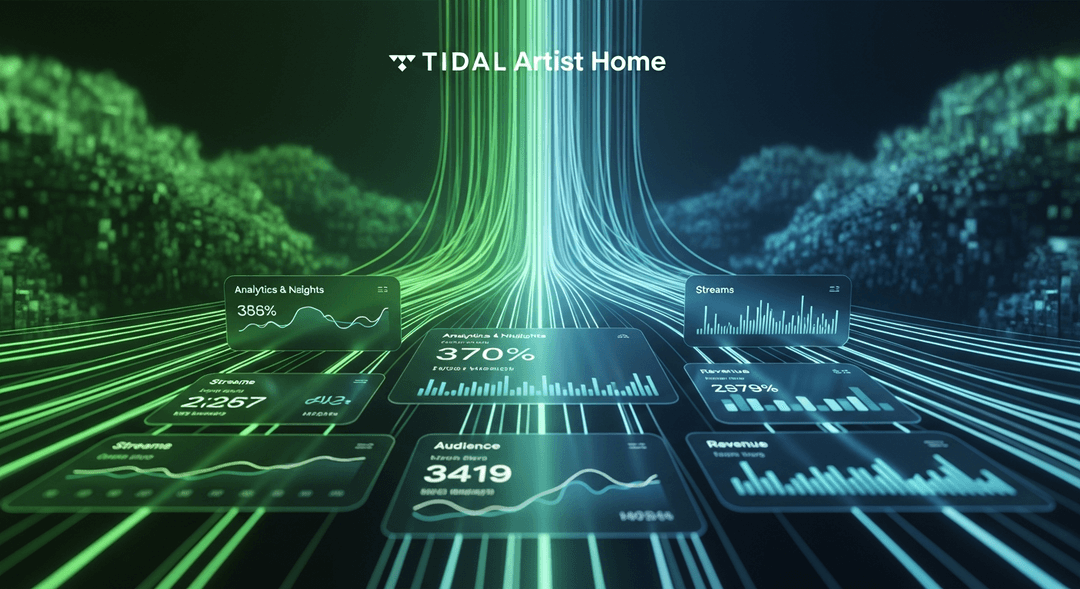
Getting your music heard on TIDAL requires proactive promotion. TIDAL for musicians isn't just about uploading tracks; it's about actively engaging with the platform's features and integrating it into your broader marketing efforts. Here’s how to promote music on TIDAL effectively.
Utilizing TIDAL's Editorial Playlists
One of the most powerful avenues for discovery on any streaming platform is through editorial playlists. Discuss the importance of getting your music featured on TIDAL's editorial playlists, as these curated lists can expose your tracks to a vast, engaged audience. Getting on a major playlist can significantly boost your streams and attract new fans.
Provide tips for submitting your music for playlist consideration. This typically involves submitting your tracks through your distributor well in advance of the release date, highlighting its unique qualities, and explaining why it would be a good fit for specific TIDAL playlists. Make sure your metadata is perfect and your track is professionally mixed and mastered.
Engaging with Your Fans on TIDAL
Beyond passive listening, TIDAL offers ways to foster a connection with your fanbase. Explain how to engage with your fans through TIDAL's messaging features or by encouraging them to add your tracks to their personal playlists. While direct messaging features might be limited, encouraging comments on shared tracks or engaging through social channels linked to your profile can build community.
Respond to any comments or shares you see, showing appreciation for your listeners. Actively inviting fans to follow your artist profile and save your music to their libraries also boosts your visibility within the platform's algorithms. A loyal fanbase is your most valuable asset.
Cross-Promoting Your TIDAL Profile on Other Platforms
Your TIDAL presence shouldn't exist in a vacuum. Encourage cross-promotion of your tidal artist profile on social media, your official website, and other digital platforms. Share direct links to your TIDAL releases, embed TIDAL players on your website, and create engaging social media content that drives traffic to your profile.
Mention the benefits of using TunePact to amplify your music promotion efforts. Our tools can help you coordinate your promotional campaigns across multiple platforms, ensuring a consistent message and maximizing your reach. By integrating TIDAL into your overall music promotion tips, you create a powerful ecosystem that encourages continuous discovery and engagement.
Maximizing Your TIDAL Artist Royalties: Understanding Payment Structures
For independent musicians, understanding how you get paid is just as crucial as getting heard. TIDAL artist royalties are a key component of your income stream, and demystifying their calculation is essential for financial success.
How TIDAL Calculates Artist Royalties
TIDAL, like other streaming services, calculates artist royalties based on a complex model that typically involves a pro-rata share of subscription revenue. Explain the basics of how TIDAL calculates artist royalties based on streaming activity. This usually means that a percentage of TIDAL's total revenue (from subscriptions and ads) is pooled, and then distributed to rights holders based on their share of total streams.
It's important to remember that you are typically paid by your distributor, who collects these royalties from TIDAL and then pays you according to your agreement with them. Factors like subscriber tier (HiFi vs. HiFi Plus), country of stream, and specific licensing agreements can influence the per-stream rate.
Understanding Different Royalty Streams
Music royalties are not a single entity; they are composed of various streams. Differentiate between various royalty streams, such as master recording royalties and publishing royalties. Master recording royalties are paid to the owner of the sound recording (usually the artist or label) for each stream.
Publishing royalties, on the other hand, are paid to the songwriter and publisher for the composition itself. These include mechanical royalties (for reproduction of the composition) and performance royalties (for public performance, which streaming is considered). Understanding these distinctions is crucial for ensuring you're collecting all the income you're owed.
Tips for Ensuring Accurate Royalty Payments
Ensuring you receive accurate royalty payments involves proactive management of your music rights. Provide tips for ensuring accurate royalty payments by properly registering your music and rights. This includes registering your compositions with a Performing Rights Organization (PRO) like ASCAP or BMI in the US, or PRS for Music in the UK.
Also, ensure your distributor has accurate metadata for all your releases, including ISRC codes, songwriter credits, and publisher information. Incorrect or missing metadata can lead to delays or missed payments. Regularly review your royalty statements from your distributor and PRO to identify any discrepancies. The IFPI website offers global music reports that can provide context on how these payment structures fit into the broader international music economy.
Troubleshooting Common Issues with TIDAL Artist Home
Even with the best tools, sometimes you encounter bumps in the road. Knowing how to troubleshoot common issues with TIDAL Artist Home can save you time and frustration, keeping your focus on creating music.
Resolving Profile Verification Problems
One of the most common initial hurdles is profile verification. If you're experiencing delays or rejections, provide solutions for common issues encountered during the profile verification process. Double-check that all information submitted matches your official artist details precisely.
Ensure your distributor has correctly delivered your music to TIDAL under the exact artist name you are claiming. If problems persist, gather all supporting documentation (distributor statements, social media links, official website) and be prepared to provide them to TIDAL support as proof of ownership. Sometimes, simply waiting a bit longer is the solution, but proactive follow-up is also key.
Addressing Content Issues and Reporting Copyright Infringement
Occasionally, you might find incorrect information on your profile or even unauthorized use of your music. Explain how to report content issues, such as incorrect metadata (wrong genre, misspelled song titles) or copyright infringement (your music appearing on another artist's profile). TIDAL Artist Home typically has a dedicated section for reporting these issues.
When reporting, be specific with details, providing track links, timestamps, and clear descriptions of the problem. For copyright infringement, be ready to provide proof of ownership. Acting quickly on these issues protects your brand and intellectual property.
Contacting TIDAL Artist Support
For technical problems or account-related inquiries that you can't resolve through the dashboard, contacting support is your next step. Offer guidance on contacting TIDAL Artist Support for assistance with technical problems or account-related inquiries. Look for a "Help" or "Support" link within your TIDAL Artist Home dashboard, which will usually direct you to their support portal or email address.
When reaching out, provide as much detail as possible, including screenshots of the issue, your artist name, release IDs, and any error messages you've received. Be clear and concise in your communication. Provide alternative contact methods for support if available, such as a dedicated artist support email or a help center with FAQs. Patience is often required, but clear communication helps expedite resolutions.
Frequently Asked Questions About TIDAL Artist Home
To wrap things up, here are answers to some of the most common questions independent artists have about leveraging TIDAL Artist Home.
How do I claim my artist profile on TIDAL?
To claim your artist profile on TIDAL, you typically need to visit the official TIDAL Artist Home portal. You'll sign up, search for your artist name, and then follow the verification steps. This often involves connecting through your music distributor or providing proof of ownership via social media links or official documentation. Once submitted, TIDAL reviews your claim, which can take a few days for approval.
What are the different user roles within TIDAL Artist Home?
TIDAL Artist Home usually offers several user roles to manage team access. The most common roles are Admin, who has full control over the profile and settings; Editor, who can update profile information and content but may have limited access to sensitive account details; and Viewer, who can access analytics and profile information without making any changes. These roles help streamline workflow and maintain account security.
How does TIDAL calculate artist royalties?
TIDAL calculates artist royalties by taking a share of its total subscription and advertising revenue and distributing it proportionally to rights holders based on their share of total streams. The specific per-stream rate can vary based on factors like subscriber tier (e.g., HiFi vs. HiFi Plus), the listener's country, and existing licensing agreements. Payments are typically routed through your music distributor, who then pays you according to your agreement with them, after deducting their fees.
How can I get my music featured on TIDAL playlists?
To increase your chances of getting on TIDAL's editorial playlists, submit your music to your distributor well in advance of your release date, usually at least 4-6 weeks prior. Your distributor will then have the option to pitch your music directly to TIDAL's editorial team. Ensure your track has compelling metadata, a strong marketing story, and is professionally mixed and mastered. Building a strong initial listenership and engaging with your fans on the platform can also catch the editors' attention.