Unlock Your Rights: Get Your Free Music Split Sheet
As an independent musician, your creative output is your most valuable asset. But what happens when you collaborate? Who owns what? How are royalties divided? These are critical questions that every artist, songwriter, and producer must address. The answer often lies in a simple yet powerful document: the music split sheet. This comprehensive guide will demystify the process, empower you to protect your rights, and show you how TunePact can simplify your collaboration agreements.
Understanding Music Split Sheets and Song Ownership
In the vibrant world of music creation, collaboration is key. However, without proper documentation, the joy of creating can quickly turn into disputes over ownership and compensation. A clear understanding of song ownership and how to formalize it is paramount for every independent artist.
What is a Music Split Sheet?
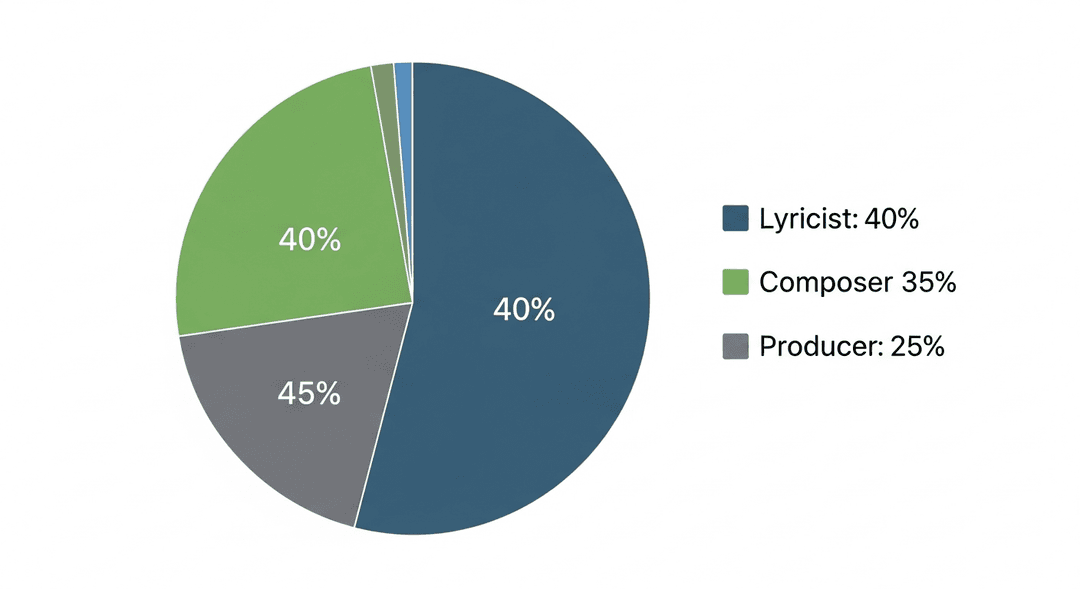
A music split sheet is a foundational document that outlines the ownership percentages of a song among all its contributors. It's essentially a written record detailing who wrote what percentage of the lyrics, who composed what percentage of the music, and often includes producer splits if applicable. This agreement ensures that everyone involved has a clear understanding of their stake from the outset.
Think of it as a blueprint for your creative partnership, laying out the terms before any potential disagreements arise. It’s a proactive step to safeguard your creative work and relationships.
Why Split Sheets are Essential for Songwriters
For independent musicians and songwriters, split sheets are essential because they prevent future disputes over credit and, more importantly, income. Imagine pouring your heart into a song with a collaborator, only for success to breed conflict over who deserves what share. A signed split sheet eliminates this ambiguity.
It provides undeniable proof of each contributor's agreed-upon share, ensuring fair royalty splits. This clarity allows you to focus on your music, knowing that your business affairs are in order.
The Legal Weight of a Split Sheet
While often informal, a properly executed music split sheet holds significant legal weight. It serves as a written agreement between collaborators, establishing clear ownership percentages. In the event of a dispute, this document can be crucial evidence in demonstrating the original intent and agreement of all parties involved.
Moreover, performing rights organizations (PROs) and publishers often require a split sheet to accurately distribute royalties. They rely on this documentation to ensure that everyone credited receives their rightful earnings. Understanding the role of split sheets for royalty collection is vital for maximizing your income and preventing conflicts among collaborators.
Essential Elements of a Comprehensive Songwriting Agreement
Crafting a robust songwriting agreement requires attention to detail. It's not just about percentages; it's about clearly defining roles, responsibilities, and future implications. A well-structured split sheet goes beyond the basics to protect everyone involved.
Identifying All Contributors and Their Roles
The first step in any effective music split sheet is to meticulously identify everyone who contributed to the song. This includes not just the primary songwriters and composers, but also lyricists, beatmakers, and producers who may have an ownership stake. For each contributor, you should include their full legal name, contact information, and their specific role in the song's creation.
Clearly delineating roles from the outset helps to avoid misunderstandings about contributions and justifies the assigned percentage splits. It’s about giving credit where credit is due, transparently.
Defining Percentage Splits for Writers and Publishers
This is arguably the most critical part of any co-writer agreement. You need to define the percentage splits for both the writer's share and the publisher's share of the song. The writer's share goes directly to the individual creators, while the publisher's share typically goes to a publishing entity (which for independent artists, might also be themselves).
Determining these splits should be based on each contributor's creative input. Was it 50/50 on lyrics and music? Did one person contribute only a hook? Open and honest discussion is key to reaching a fair agreement. For a deeper dive into the different types of royalties and how publishing works, check out TunePact's guide on understanding music publishing royalties.
Handling Future Royalties and Amendments
A good music split sheet should also anticipate the future. It's wise to include clauses that address how future royalties will be managed and how the agreement can be amended if circumstances change. For example, what happens if a new producer is brought on later, or if one co-writer sells their share?
While major changes may require a new agreement, having a framework for minor amendments or unforeseen situations provides flexibility. This foresight ensures the agreement remains relevant and fair over the song's lifespan.
Navigating Royalty Splits and Music Publishing
Understanding how your music split sheet translates into actual earnings is crucial for any independent artist. The world of music publishing and royalty collection can seem complex, but with the right knowledge, you can ensure you and your collaborators are properly compensated.
Understanding Different Types of Royalties
When your music is used, it generates various types of royalties. The primary categories include: Performance Royalties (paid when your song is publicly performed, like on radio, TV, or in venues), Mechanical Royalties (paid when your song is reproduced, such as on CDs, vinyl, or interactive streams), and Synchronization Royalties (paid when your song is used in visual media like films, TV shows, or commercials).
Each type of royalty has its own collection method and agencies. Knowing these distinctions helps you track and claim all the income your music generates.
How Split Sheets Impact Royalty Distribution
Your music split sheet is the foundational document that dictates how all these different types of royalties are divided among collaborators. When you register your song with Performing Rights Organizations (PROs) and other collection societies, you submit the ownership percentages specified in your split sheet.
These organizations then use that information to ensure that each contributor receives their accurate share of performance and mechanical royalties. Without a clear split sheet, there can be delays, disputes, or even non-payment, highlighting its indispensable role in fair royalty distribution.
Registering Your Songs with PROs
Registering your songs with a Performing Rights Organization (PRO) like ASCAP, BMI, or SESAC in the U.S. (or equivalent international bodies) is a vital step for collecting performance royalties. These organizations track public performances of your music and collect royalties on your behalf.
When registering, you'll need to provide details about the song and, critically, the ownership splits as defined in your music split sheet. This ensures that when your song is played, you and your collaborators get paid accurately. To learn more about this income stream, explore TunePact's guide on performance royalties for musicians.
Using TunePact to Streamline Your Co-Writer Agreement Process
TunePact understands the unique challenges independent musicians face, especially when it comes to collaborations. Our platform is designed to simplify the often-complex administrative tasks, allowing you to focus more on your craft and less on paperwork. We provide tools to make every co-writer agreement effortless and secure.
Managing Collaborators with TunePact
TunePact offers intuitive features to help you manage all your collaborators in one centralized location. From initial contact to final agreements, our platform makes it easy to keep track of everyone involved in your projects. You can store contact information, roles, and even track communication history, ensuring nothing gets lost in translation.
This organized approach fosters better relationships and clearer communication, which are crucial for successful creative partnerships. Our system is built to support your growing network of musical connections.
Tracking Contributions and Royalty Splits
One of TunePact's core strengths is its ability to help you accurately track contributions and manage royalty splits. Our tools allow you to input each collaborator's percentage share directly into your project files, linking it to specific songs. This integration ensures that your agreed-upon splits are always accessible and correctly applied.
This streamlined process minimizes errors and provides a transparent record for all parties involved, simplifying the often-tricky task of financial distribution. With TunePact, you have a clear overview of who owns what, at a glance.
Generating and Storing Split Sheets Securely
TunePact empowers you to generate professional music split sheets directly within the platform. Our templates ensure all essential elements are included, making the process quick and error-free. Once completed, these agreements are stored securely in your TunePact account, accessible anytime, anywhere.
This secure digital storage eliminates the risk of lost paperwork and provides a reliable record for future reference. As the global recorded music market continues to grow—with revenues increasing significantly, as highlighted in the IFPI Global Music Report 2026 —protecting your ownership stakes and ensuring fair compensation is more critical than ever. TunePact helps independent musicians protect their rights and fairly compensate collaborators in this evolving landscape.
Best Practices for Completing and Maintaining Your Music Split Sheet
A music split sheet is a living document, and its effectiveness hinges on accurate completion and diligent maintenance. Adopting best practices ensures that your agreements remain clear, valid, and protective of everyone's interests over time.
Completing the Split Sheet Accurately
Accuracy is paramount when filling out a split sheet. Double-check all names, contact information, song titles, and especially the percentage splits. Any discrepancies can lead to significant issues down the line. Ensure that everyone understands and agrees to their designated roles and shares before signing.
It's also a good practice to include the date of the agreement and the date the song was created. This meticulous approach reduces ambiguity and strengthens the legal standing of your songwriting agreement.
Storing and Updating Your Split Sheets
Once signed, your music split sheet should be stored in a safe, accessible location. Digital storage, like within your TunePact account, is highly recommended for its security and ease of access. Each collaborator should also receive a copy for their records.
While generally static, it's good practice to periodically review your split sheets, especially for active projects. Although the core splits may not change, ensuring all contact information is current is important for future royalty distributions.
When to Revisit and Revise Your Agreements
While a split sheet is designed to be a definitive record, there are specific instances when you might need to revisit and potentially revise it. This could happen if there's a significant change in the songwriting team, such as a new co-writer joining the project, or if one contributor's role expands or diminishes substantially.
Any revisions should be discussed openly with all original parties, documented, and signed off on, effectively creating an addendum or a new agreement. This ensures continued fairness and legal compliance. To see how TunePact can support your evolving music career, explore TunePact's pricing plans and discover features that grow with you.
The Importance of Legal Counsel in Music Publishing
While a music split sheet provides a strong foundation for your collaborations, navigating the broader landscape of music publishing and copyright law can be complex. Knowing when to seek professional legal advice is a critical skill for any independent artist looking to protect their assets.
When to Consult with an Attorney
For most straightforward collaborations, a well-drafted music split sheet is sufficient. However, there are scenarios where consulting with a music attorney is highly advisable. This includes situations involving complex collaborations with numerous parties, significant upfront advances, international agreements, or any instance where the stakes are particularly high.
An attorney can review your split sheets, offer advice on specific clauses, or draft more comprehensive contracts to protect your interests. It’s an investment that can save you considerable trouble and expense in the long run.
Understanding Copyright Law and Music Agreements
Copyright law is the bedrock of music ownership. It grants creators exclusive rights to their original works, including songs. Your music split sheet essentially details how these copyright ownership percentages are divided among collaborators.
Understanding the basics of copyright – what it covers, how to register it, and how long it lasts – empowers you as an artist. While a split sheet defines internal ownership, copyright registration provides public notice of your claim and strengthens your position in legal disputes.
Protecting Your Music Rights
Proactively protecting your music rights involves a combination of smart documentation (like split sheets), timely registration with PROs and copyright offices, and a willingness to seek legal counsel when needed. It’s about taking a business-minded approach to your creative endeavors.
By diligently using tools like TunePact for managing your collaborations and understanding the nuances of copyright and royalty collection, you can ensure your hard work is recognized and rewarded. For example, understanding various royalty types is essential, including mechanical royalties explained, which are crucial for every musician to collect.
Frequently Asked Questions About Music Split Sheets
What happens if I don't have a split sheet?
Without a music split sheet, you risk severe disputes over song ownership and royalty splits. In the absence of a written agreement, legal default rules might apply, or collaborators might claim equal shares regardless of actual contribution. This can lead to stalled releases, lost income, and damaged relationships, making it incredibly difficult to collect and distribute royalties fairly.
Who should be included on a split sheet?
Everyone who made a significant creative contribution to the composition of the song should be included on a music split sheet. This typically means all songwriters, composers, and lyricists. Producers who contribute creatively to the composition (e.g., creating a hook or melody) should also be included. Session musicians or engineers who only perform or record are usually not included on the split sheet unless they also contributed creatively to the song's composition.
How do I update a split sheet if ownership changes?
If song ownership changes – for example, if a new co-writer is added, or an existing writer's share is modified – you should create an entirely new music split sheet or a formal addendum to the original. This new document should clearly state the revised percentages, be signed and dated by all affected parties, and supersede the previous agreement. Always ensure all collaborators have a copy of the updated agreement.
Is a split sheet a legally binding document?
Yes, when properly completed and signed by all parties, a music split sheet is considered a legally binding document. It serves as a written contract outlining the agreed-upon terms of song ownership and royalty splits. While it might not be as exhaustive as a full publishing agreement, it provides crucial evidence of intent and agreement, making it enforceable in a court of law if disputes arise.